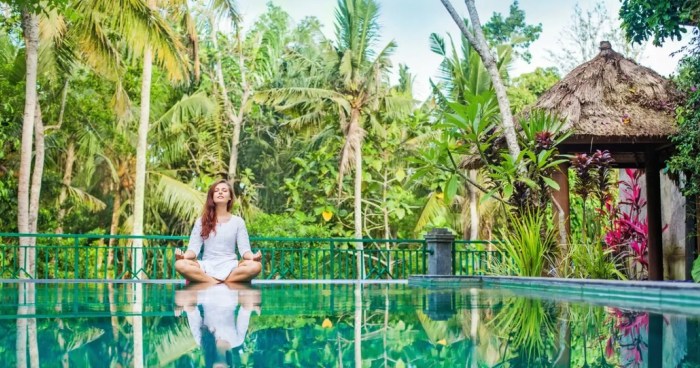
Escape the everyday and embark on a transformative journey with holistic wellness retreats. These immersive experiences go beyond traditional spa treatments, offering a profound integration of physical, mental, emotional, and spiritual well-being. Imagine days filled with invigorating yoga sessions, mindful meditation practices, and nourishing healthy cuisine, all within a serene and inspiring environment. Holistic wellness retreats provide a unique opportunity for self-discovery and lasting personal growth.
This guide explores the diverse world of holistic wellness retreats, examining their core principles, various types, ideal locations, and the transformative benefits they offer. We’ll delve into the activities and practices involved, compare them to other wellness initiatives, and provide practical advice for selecting the perfect retreat to suit your individual needs and aspirations. Whether you seek stress reduction, enhanced self-awareness, or simply a revitalizing escape, this guide will illuminate the path to your ideal holistic wellness retreat.
Defining Holistic Wellness Retreats

Holistic wellness retreats offer a transformative experience focused on achieving overall well-being by addressing the interconnectedness of mind, body, and spirit. Unlike other wellness approaches that may focus solely on physical fitness or mental health, holistic retreats integrate various practices to create a synergistic effect, promoting a deeper and more sustainable sense of balance.Holistic wellness retreats prioritize a comprehensive approach to well-being, encompassing physical, mental, emotional, and spiritual aspects.
This differs from other wellness retreats which might concentrate primarily on a single area, such as fitness, stress reduction, or weight loss. For instance, a yoga retreat might emphasize physical postures and mindfulness, while a holistic retreat would incorporate yoga alongside nutrition workshops, meditation sessions, and perhaps even nature walks or creative expression activities.
Core Principles of Holistic Wellness Retreats
Holistic wellness retreats are guided by several key principles. These include the understanding that physical health is intertwined with mental and emotional well-being, and that spiritual growth contributes significantly to overall health. Retreats often incorporate practices designed to enhance self-awareness, reduce stress, and foster personal growth. A typical approach involves personalized plans, integrating various therapeutic modalities like meditation, yoga, healthy eating, and nature immersion, all contributing to a more balanced and harmonious state.
The emphasis is not just on fixing problems, but on preventing future imbalances through sustainable lifestyle changes.
Comparison of Holistic and Other Wellness Retreats
A key distinction lies in the scope of treatment. While a detox retreat might focus solely on cleansing the body, a holistic retreat integrates physical detoxification with mental and emotional processing, promoting a deeper and more lasting transformation. Similarly, a fitness retreat might emphasize physical conditioning, whereas a holistic retreat would integrate fitness with mindfulness practices, stress management techniques, and healthy nutrition, resulting in a more comprehensive approach to well-being.
The difference is not merely additive; it’s about the synergistic effect of combining diverse practices to achieve a greater impact than the sum of its parts.
Unique Selling Propositions of Holistic Wellness Retreats
The unique value of holistic wellness retreats lies in their comprehensive and personalized approach. They offer a sanctuary from daily stressors, providing a structured environment conducive to self-reflection and personal growth. The individualized attention often received at these retreats, coupled with the integration of various modalities, allows for a deeper understanding of one’s own needs and the development of sustainable practices for long-term well-being.
This personalized approach, along with the immersive environment, creates a unique selling proposition that sets them apart from other types of wellness retreats.
Typical Duration and Structure of a Holistic Wellness Retreat
Holistic wellness retreats typically range in duration from a long weekend to several weeks. The structure varies depending on the specific program, but generally includes a daily schedule that balances structured activities with free time for relaxation and personal reflection. This might involve morning yoga and meditation sessions, followed by workshops on nutrition or stress management, interspersed with opportunities for nature walks, journaling, or creative expression.
Evenings might include restorative practices such as sound baths or guided meditations, providing a calming end to each day. The overall aim is to create a supportive and nurturing environment that facilitates deep relaxation and personal transformation.
Wellness Retreats and Wellness Programs
Wellness retreats and ongoing wellness programs both aim to improve well-being, but they differ significantly in their approach, duration, and overall goals. Understanding these differences helps individuals choose the best option to suit their needs and lifestyle. This comparison highlights the key distinctions between these two popular wellness initiatives.Wellness retreats are intensive, short-term experiences focused on achieving rapid, noticeable improvements in physical and mental health.
Wellness programs, conversely, are designed for sustained, long-term wellness improvement through consistent engagement.
Offerings, Duration, and Goals
Wellness retreats typically offer a concentrated schedule of activities such as yoga, meditation, healthy cooking classes, spa treatments, and workshops focused on a specific theme (e.g., stress reduction, weight loss, or mindfulness). These retreats usually last from a few days to a week, providing a temporary escape from daily routines and a dedicated period for self-care. The primary goal is to provide participants with a transformative experience that leaves them feeling refreshed, rejuvenated, and empowered to make lasting lifestyle changes.
In contrast, wellness programs offer a more diverse range of services, potentially including personalized coaching, fitness training, nutritional guidance, workshops, and ongoing support groups. They are designed to integrate wellness practices into daily life over an extended period, ranging from several weeks to years. The goal is not just immediate transformation, but the development of sustainable habits and long-term well-being.
Target Audience
Wellness retreats often appeal to individuals seeking a quick reset or a significant life change, individuals who may be feeling overwhelmed, stressed, or burnt out. They are also popular for those celebrating milestones or seeking a unique experience. Wellness programs, however, tend to attract individuals committed to long-term self-improvement and are willing to invest time and effort in consistent self-care practices.
This might include people managing chronic conditions, seeking preventative health measures, or desiring to optimize their overall well-being over time.
Integration of Retreat Experiences into Long-Term Wellness Programs
A well-designed wellness program can strategically incorporate retreat experiences. Retreats can serve as intensive “boosters” within a longer-term program, providing a concentrated period of focus and rejuvenation. For example, a participant in a year-long weight loss program might attend a weekend retreat focused on healthy cooking and mindful eating midway through the program to reinforce learned habits and address any challenges.
The retreat experience can act as a catalyst, strengthening commitment and providing renewed motivation to continue the program’s goals. This integration creates a powerful synergy, combining the immediate benefits of a retreat with the sustained support of an ongoing program.
Cost and Accessibility
The cost and accessibility of wellness retreats and programs differ significantly. Retreats typically involve higher upfront costs due to accommodation, meals, and program fees. This can make them less accessible to individuals with limited budgets. While some retreats offer payment plans or scholarships, they remain generally more expensive than ongoing wellness programs. Wellness programs, particularly those offered through employers or community centers, can be more affordable and accessible.
However, the overall cost depends on the intensity and duration of the program. Many programs offer tiered pricing or payment options to increase accessibility. For example, a gym membership offering fitness classes and nutritional guidance is generally more affordable than a week-long luxury wellness retreat in a remote location.
Finding and Choosing a Holistic Wellness Retreat
Embarking on a holistic wellness retreat is a significant step towards personal growth and well-being. Careful consideration in the selection process ensures a transformative and rewarding experience. This section guides you through the key aspects of finding and choosing a retreat that aligns perfectly with your needs and expectations.
Researching Reputable Holistic Wellness Retreats
Thorough research is crucial for identifying reputable holistic wellness retreats. Begin by exploring online directories specializing in wellness retreats, reading independent reviews on platforms like TripAdvisor or Google Reviews, and checking the accreditation of the retreat center with relevant organizations. Look for retreats with a clear philosophy, experienced instructors, and testimonials from past participants that highlight positive experiences. Cross-referencing information from multiple sources will paint a comprehensive picture of the retreat’s reputation and offerings.
Key Factors to Consider When Choosing a Retreat
Several critical factors influence the selection of a suitable retreat. Location plays a significant role, influencing the overall ambiance and accessibility. Consider whether you prefer a secluded mountain setting, a tranquil beachside location, or a vibrant urban environment. The types of activities offered are equally important; ensure they align with your wellness goals, whether it’s yoga, meditation, hiking, or other specific practices.
The cost, encompassing accommodation, meals, and activities, should be transparently Artikeld and fit within your budget. Finally, examining reviews from previous participants offers valuable insights into the retreat’s strengths and weaknesses.
Questions to Ask Potential Retreat Providers
Before committing to a retreat, a comprehensive set of questions should be addressed. Inquire about the qualifications and experience of the instructors, the specific activities included in the program, the accommodation details and amenities, the dietary options available, the retreat’s cancellation policy, and any additional costs involved. Clarify the retreat’s approach to holistic wellness and how it addresses specific needs.
Verifying the safety measures in place and the availability of medical support if needed is also crucial. Asking for a detailed itinerary and a sample daily schedule provides a clear understanding of what to expect.
Packing and Expectations During a Holistic Wellness Retreat
Preparing for a holistic wellness retreat involves packing appropriate clothing for the activities planned and the climate of the location. Comfortable, loose-fitting clothing suitable for yoga and other physical activities is essential. Pack items for relaxation, such as a journal and pen for reflection, a comfortable blanket, and any personal items that promote relaxation. Expect a structured daily schedule that balances active participation in wellness activities with time for personal reflection and relaxation.
The retreat environment typically emphasizes mindfulness, self-care, and connection with nature. Be prepared to disconnect from technology to fully immerse yourself in the experience and engage with fellow participants. Embrace the opportunity for introspection and personal growth.
Ultimately, holistic wellness retreats offer a powerful pathway to a more balanced and fulfilling life. By embracing a holistic approach that integrates mind, body, and spirit, participants can experience profound transformations, fostering lasting improvements in their overall well-being. From the serene settings to the transformative activities, a holistic wellness retreat promises not just relaxation, but a journey of self-discovery and lasting personal growth.
Take the first step towards a healthier, happier you – explore the world of holistic wellness retreats today.
Detailed FAQs
How much do holistic wellness retreats typically cost?
Costs vary greatly depending on location, duration, amenities, and the specific retreat offerings. Expect to pay anywhere from a few hundred to several thousand dollars.
Are holistic wellness retreats suitable for beginners?
Absolutely! Many retreats cater to all levels of experience, offering modifications and alternative options for various activities. It’s always best to check with the retreat provider beforehand to confirm their suitability for beginners.
What if I have dietary restrictions or allergies?
Reputable retreats will inquire about dietary needs and allergies during the booking process. Most will happily accommodate specific requirements, providing delicious and healthy alternatives.
What should I pack for a holistic wellness retreat?
Comfortable clothing for yoga and other activities, swimwear (if applicable), toiletries, sunscreen, insect repellent, and a journal are recommended. Check with the retreat provider for a detailed packing list.


