
In today’s fast-paced world, achieving optimal well-being often feels like a distant goal. Generic wellness plans often fall short, failing to address the unique needs and preferences of individuals. Tailored wellness programs offer a transformative approach, prioritizing personalization to empower individuals to take control of their health and achieve lasting positive change. These programs move beyond one-size-fits-all solutions, instead crafting bespoke strategies that consider individual circumstances, goals, and preferences.
This comprehensive exploration delves into the design, implementation, and benefits of tailored wellness programs. We’ll examine the key distinctions between these personalized approaches and more generalized wellness initiatives, exploring various program models, their effectiveness, and the future of this evolving field. We will also address potential challenges and highlight strategies for overcoming them to ensure sustainable, impactful wellness outcomes.
Defining Tailored Wellness Programs
Tailored wellness programs represent a significant shift from the one-size-fits-all approach often seen in traditional wellness initiatives. Instead of offering generic programs designed for a broad audience, tailored wellness programs focus on individual needs, preferences, and goals, creating a highly personalized experience that maximizes effectiveness and engagement. This personalized approach acknowledges that each individual’s health and wellness journey is unique, requiring a customized strategy to achieve optimal results.Tailored wellness programs are distinguished from generic offerings by their inherent personalization.
Unlike generic programs that offer a standardized set of activities or recommendations, tailored programs utilize assessments and data to create a program specifically designed for each participant. This includes considering factors such as individual health status, lifestyle, preferences, available resources, and specific goals. The result is a program that is not only more relevant but also more motivating and sustainable in the long run.
Generic programs, on the other hand, often fail to resonate with individuals, leading to lower engagement and poorer outcomes.
Approaches to Tailoring Wellness Programs
Several methods exist for tailoring wellness programs to meet individual needs. These methods often involve a combination of approaches, leveraging technology and human expertise to create a truly personalized experience.The most common approach involves initial assessments. These might include questionnaires, health screenings, or interviews to gather comprehensive information about the individual’s health, lifestyle, and wellness goals. This data informs the creation of a personalized program.
For example, an assessment might reveal a participant’s lack of physical activity and a preference for outdoor activities. The resulting program might then incorporate activities like hiking or cycling, rather than gym-based workouts.Another approach involves using technology to personalize the wellness experience. Wearable fitness trackers and health apps can monitor activity levels, sleep patterns, and other health metrics, providing valuable data for program customization.
This data can be used to adjust the program’s intensity, frequency, or type of activities to optimize results and maintain engagement. For instance, if a tracker shows a participant consistently exceeding their daily step goal, the program might suggest increasing the intensity of their workouts or exploring new, more challenging activities.A third approach involves incorporating coaching or mentorship.
A wellness coach can provide personalized guidance, support, and accountability, helping individuals stay motivated and on track. This approach is particularly effective for individuals who need additional support or encouragement to achieve their wellness goals. A coach can help modify the program based on the individual’s progress and any challenges they encounter. For instance, a coach might adjust a nutrition plan if a participant is struggling to stick to it, or suggest alternative activities if an injury prevents them from participating in their planned workouts.
Benefits of Tailored Wellness Programs
Tailored wellness programs offer a significant advantage over generic approaches by focusing on individual needs and preferences. This personalized approach leads to more effective and sustainable improvements in various aspects of well-being, resulting in enhanced physical and mental health, increased productivity, and a better work-life balance. The following sections detail the specific benefits of this approach.
Physical Health Benefits of Personalized Wellness Plans
Personalized wellness plans can significantly improve physical health outcomes. By considering individual factors like age, genetics, medical history, and lifestyle, these programs can create targeted interventions. For example, a program might recommend specific exercises tailored to a person’s physical capabilities and limitations, or a dietary plan that addresses individual nutritional needs and preferences, helping to prevent chronic diseases like heart disease, type 2 diabetes, and obesity.
These programs also often incorporate strategies for improving sleep quality and managing weight effectively, contributing to overall physical well-being. The focus on individual needs ensures that the interventions are relevant and achievable, leading to better adherence and improved results.
Impact on Mental Well-being and Stress Reduction
Tailored wellness programs demonstrably improve mental well-being and reduce stress levels. Personalized stress management techniques, such as mindfulness exercises, cognitive behavioral therapy (CBT) strategies, or yoga practices, can be implemented to address individual stress triggers and coping mechanisms. Furthermore, the programs often include components designed to foster a sense of community and support, reducing feelings of isolation and promoting emotional well-being.
The tailored approach ensures that the interventions resonate with the individual, leading to a more significant and lasting impact on mental health. For instance, a program might incorporate techniques proven effective for individuals prone to anxiety or depression, leading to measurable reductions in symptoms.
Improved Productivity and Work-Life Balance
Tailored wellness interventions often lead to noticeable improvements in productivity and work-life balance. By addressing individual needs, these programs can help employees manage stress more effectively, improve their focus and concentration, and increase their overall energy levels. This, in turn, leads to improved job performance and increased productivity. Moreover, tailored programs often include strategies for better time management and boundary setting, contributing to a healthier work-life balance.
For example, a program might help an individual identify and eliminate time-wasting activities, leading to more efficient work practices and more time for personal pursuits. A company implementing such a program might see a reduction in sick days and an increase in employee retention.
Comparison of Tailored and Standard Wellness Programs
| Benefit Category | Tailored Program Benefit | Standard Program Benefit | Difference |
|---|---|---|---|
| Physical Health | Significant improvements in specific areas based on individual needs (e.g., weight loss, improved cardiovascular health) | General improvements in overall health, but may not address specific individual needs | Greater effectiveness and personalization, leading to better outcomes for specific health concerns. |
| Mental Well-being | Reduced stress and improved mental health through personalized interventions (e.g., tailored CBT, mindfulness practices) | General stress reduction techniques, may not be effective for all individuals | Higher likelihood of success due to the personalized approach, leading to better mental health outcomes. |
| Productivity | Increased productivity and improved work performance due to better stress management and increased energy levels | Potential for improved productivity, but effects may be less pronounced due to a lack of personalization | More substantial increase in productivity due to the targeted nature of the interventions. |
| Work-Life Balance | Improved work-life balance through personalized strategies for time management and boundary setting | General tips on work-life balance, may not be effective for all individuals | More effective improvement in work-life balance due to the tailored approach, resulting in better overall well-being. |
Designing Tailored Wellness Programs
Creating a truly effective wellness program requires a personalized approach, moving beyond generic advice to address the unique needs and circumstances of each individual. This involves a systematic process of assessment, planning, and implementation, tailored to maximize engagement and achieve lasting results. The design process considers various factors, including lifestyle, health history, personal goals, and available resources.
Designing a tailored wellness program is a multi-step process that begins with a comprehensive assessment of the client’s current health status and lifestyle. This assessment informs the development of a personalized plan incorporating various modalities, delivered through a chosen method that best suits the client’s preferences and circumstances. The key is to build a strong client-practitioner relationship, fostering trust and commitment to the process.
Steps Involved in Creating a Personalized Wellness Plan
The creation of a personalized wellness plan follows a structured approach. Each step builds upon the previous one, ensuring a cohesive and effective plan.
- Initial Consultation and Needs Assessment: This involves gathering comprehensive information about the client’s health history, lifestyle, goals, and preferences through questionnaires, interviews, and potentially physical assessments.
- Goal Setting and Prioritization: Collaboratively establishing specific, measurable, achievable, relevant, and time-bound (SMART) goals ensures focus and allows for progress tracking. This phase prioritizes the client’s most pressing concerns and desired outcomes.
- Program Design and Implementation: Based on the assessment and goals, a personalized plan is developed, incorporating appropriate interventions from various modalities, such as nutrition, exercise, stress management, and mindfulness techniques. This includes creating a schedule and outlining specific actions.
- Monitoring and Evaluation: Regular check-ins and progress assessments are crucial to track the client’s adherence to the plan, adjust strategies as needed, and celebrate successes. This feedback loop is essential for maintaining motivation and ensuring the program remains relevant and effective.
- Plan Refinement and Maintenance: Wellness is a journey, not a destination. The plan should be adaptable to changing circumstances and evolving needs. Regular reviews and adjustments ensure the program remains aligned with the client’s goals and progress.
Key Data Points and Assessment Methods
Accurate data collection is paramount to creating an effective wellness program. Various assessment methods provide a holistic view of the client’s current state and inform program design.
- Health History: A detailed review of past and present medical conditions, surgeries, medications, and family history of diseases.
- Lifestyle Assessment: Evaluating dietary habits, physical activity levels, sleep patterns, stress levels, and social support networks through questionnaires, interviews, and potentially wearable technology.
- Physical Assessments: Measurements such as body composition (BMI, body fat percentage), blood pressure, resting heart rate, and flexibility tests can provide objective data on physical health.
- Biometric Data: Utilizing wearable fitness trackers or other devices to monitor activity levels, sleep quality, and heart rate variability can provide valuable insights into daily patterns.
- Psychological Assessments: Tools like stress questionnaires or mood trackers can help assess mental well-being and identify potential areas for intervention.
Sample Wellness Plan
This example demonstrates how different modalities can be integrated into a personalized wellness plan. It is crucial to remember that every plan should be uniquely tailored to the individual.
Client Profile: A 35-year-old office worker experiencing high stress levels, poor sleep, and weight gain. Goal: Improve energy levels, reduce stress, and lose 10 pounds in three months.
| Modality | Specific Actions | Frequency |
|---|---|---|
| Nutrition | Balanced meal planning, incorporating whole foods, reducing processed foods and sugary drinks. Increase vegetable and fruit intake. | Daily |
| Fitness | 30 minutes of moderate-intensity exercise (brisk walking, cycling) five days a week. Incorporate strength training twice a week. | 5-6 days/week |
| Mindfulness | Daily meditation (10-15 minutes), practicing deep breathing exercises throughout the day. Consider yoga or Tai Chi. | Daily |
| Sleep Hygiene | Establish a regular sleep schedule, create a relaxing bedtime routine, optimize sleep environment (dark, quiet, cool). | Nightly |
Program Delivery Methods
The method of delivering the wellness program should align with the client’s preferences, lifestyle, and access to resources.
- In-Person: Provides direct interaction and personalized support, ideal for clients who prefer face-to-face guidance. Examples include one-on-one coaching sessions, group fitness classes, or workshops.
- Online: Offers flexibility and accessibility, suitable for clients with busy schedules or geographical limitations. This could involve virtual coaching sessions, online fitness programs, or access to online resources and support groups.
- Hybrid: Combines in-person and online elements, providing a personalized approach while leveraging the convenience of online tools. For instance, a client might have in-person check-ins with a coach while using an online platform for tracking progress and accessing educational materials.
Specific Examples of Tailored Wellness Programs
Tailored wellness programs offer a significant advancement in proactive healthcare, moving beyond generic approaches to address the unique needs and circumstances of individuals. These programs leverage personalized strategies, often incorporating technological advancements, to optimize health outcomes and enhance overall well-being. The following examples illustrate the diverse applications and benefits of this personalized approach.
Effective tailored wellness programs consider various factors, including individual health conditions, lifestyle preferences, and technological capabilities. Successful implementation requires a holistic understanding of the participant’s needs and a commitment to ongoing monitoring and adjustment. The integration of technology, such as wearable devices and mobile applications, further enhances the precision and effectiveness of these interventions.
Chronic Pain Management Program
This program focuses on individuals experiencing chronic pain, a condition often characterized by its complexity and impact on daily life. The program begins with a comprehensive assessment of the individual’s pain type, intensity, location, and contributing factors. This assessment might involve questionnaires, physical examinations, and potentially imaging studies. Based on this evaluation, a personalized plan is developed, incorporating a combination of approaches.
This might include physical therapy tailored to the specific pain type, mindfulness-based stress reduction techniques to manage emotional responses to pain, and education on pain management strategies. The program may also incorporate wearable technology to monitor activity levels and sleep patterns, providing valuable data to track progress and adjust the intervention as needed. For instance, a smart watch could track sleep quality and physical activity, offering insights into potential triggers for pain flare-ups and informing adjustments to the exercise regimen.
Stress Management for Executives
High-pressure executive roles often lead to significant stress, impacting both physical and mental health. A tailored wellness program for executives addresses this by offering a multifaceted approach. This might include personalized coaching sessions focused on stress management techniques, such as time management strategies, mindfulness practices, and prioritization skills. The program could also incorporate biofeedback sessions, using technology to monitor physiological responses to stress (heart rate, respiration) and provide real-time feedback to help executives learn to regulate their stress response.
Furthermore, the program might integrate elements of restorative practices, such as yoga or meditation, and encourage regular breaks throughout the workday to promote relaxation and prevent burnout. Regular check-ins with a health coach ensure the program remains relevant and adaptable to the changing demands of the executive’s role.
Table of Diverse Tailored Wellness Programs
The following table highlights the diverse applications of tailored wellness programs across various health and wellness goals:
| Program Focus | Key Features |
|---|---|
| Weight Management | Personalized nutrition plans, fitness tracking apps, behavioral coaching, regular progress monitoring. |
| Smoking Cessation | Nicotine replacement therapy, counseling, support groups, mobile apps for craving management, stress reduction techniques. |
| Improved Sleep Hygiene | Sleep diary tracking, cognitive behavioral therapy for insomnia (CBT-I), relaxation techniques, sleep environment optimization. |
| Mental Wellness Enhancement | Mindfulness meditation apps, access to mental health professionals, stress management techniques, personalized coping strategies. |
Challenges and Considerations in Implementing Tailored Wellness Programs
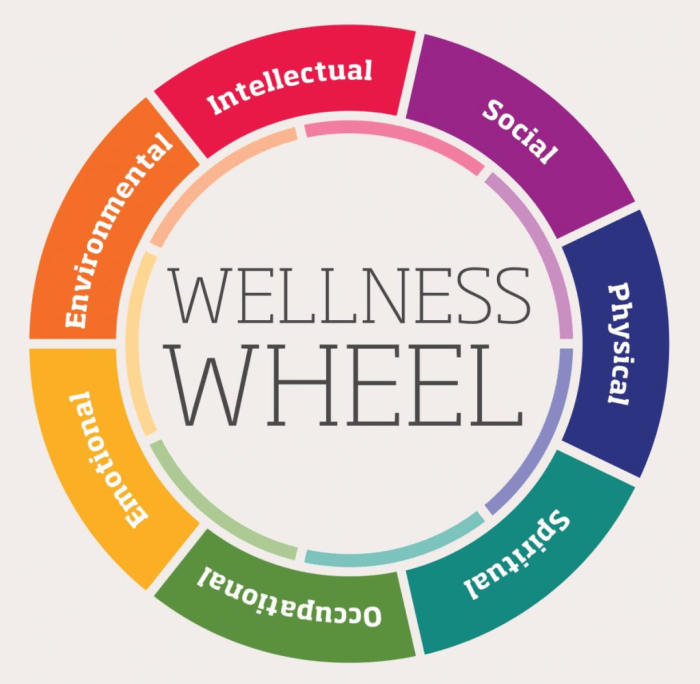
Implementing tailored wellness programs, while offering significant potential benefits, presents several challenges that require careful consideration and proactive strategies for mitigation. These challenges span financial, logistical, ethical, and sustainability concerns, all of which can significantly impact the success and long-term viability of such initiatives. Addressing these hurdles proactively is crucial for maximizing the positive impact of personalized wellness interventions.
Financial Barriers and Resource Allocation
The cost of developing and implementing tailored wellness programs can be substantial. This includes the investment in technology platforms for data collection and analysis, the hiring of specialized personnel (e.g., health coaches, data analysts, program managers), and the ongoing maintenance and updates required to keep the program current and effective. Securing adequate funding and demonstrating a strong return on investment (ROI) are critical steps.
For example, a company might initially struggle to justify the expense of personalized genetic testing for all employees, but a pilot program demonstrating improved health outcomes and reduced healthcare costs could build a compelling case for broader adoption.
Time Constraints and Program Accessibility
Tailored wellness programs often require significant time commitments from both participants and program administrators. Participants need time to engage with assessments, attend sessions, and implement recommended lifestyle changes. Program administrators need time for data analysis, individual consultations, and program management. Furthermore, accessibility is crucial; programs must be designed to accommodate individuals with varying levels of technological literacy, physical limitations, and scheduling constraints.
For instance, offering a variety of program delivery methods (e.g., in-person sessions, online modules, mobile app support) can significantly improve accessibility and participation rates.
Data Privacy and Informed Consent
The collection and use of personal health data in tailored wellness programs raise significant ethical concerns related to data privacy and informed consent. Participants must be fully informed about how their data will be collected, stored, used, and protected. Transparent data privacy policies and secure data storage systems are essential. Obtaining explicit and informed consent from each participant before collecting any data is paramount.
A clear explanation of the program’s purpose, data usage, potential benefits and risks, and participants’ rights to access and control their data should be provided in easily understandable language. For example, a wellness program might employ robust encryption methods to protect sensitive data and offer participants the ability to review and modify their data at any time.
Ensuring Program Sustainability and Long-Term Impact
The long-term success of a tailored wellness program depends on its sustainability. This involves establishing clear program goals and evaluation metrics, securing ongoing funding, and fostering a culture of continuous improvement. Regular program evaluation should assess the program’s effectiveness, identify areas for improvement, and demonstrate the value of the program to stakeholders. For example, a company might track employee health metrics (e.g., blood pressure, weight, stress levels) over time to demonstrate the program’s impact on overall health and productivity.
Building strong partnerships with community organizations and healthcare providers can also enhance program sustainability and reach.
The Future of Tailored Wellness Programs
The field of tailored wellness is poised for significant advancements, driven by converging trends in technology, data science, and a growing understanding of individual biological and behavioral variations. These developments promise to move beyond generic wellness advice towards truly personalized interventions that are both highly effective and engaging for individuals.The integration of diverse data sources and advanced analytical techniques will be crucial in shaping the future of personalized wellness.
This will enable the creation of more precise and predictive models, leading to more effective and efficient wellness programs.
Emerging Trends and Technologies
Several key technological and societal shifts are reshaping the landscape of tailored wellness. Wearable technology continues to improve, offering increasingly accurate and comprehensive data on sleep patterns, activity levels, and physiological markers. The proliferation of at-home genetic testing provides insights into individual predispositions to certain health conditions, informing the design of preventative wellness strategies. Furthermore, the rise of telehealth platforms facilitates remote monitoring and personalized coaching, expanding access to tailored wellness support.
These advancements, coupled with the increasing availability of affordable and accessible health technology, are making personalized wellness more accessible than ever before.
The Role of Artificial Intelligence and Machine Learning
Artificial intelligence (AI) and machine learning (ML) are poised to revolutionize tailored wellness programs. AI algorithms can analyze vast datasets of individual health information – including genetic data, lifestyle choices, and biometric measurements – to identify patterns and predict health risks. This predictive capability allows for proactive interventions, targeting specific areas of concern before they escalate into significant health problems.
Machine learning can also personalize wellness recommendations in real-time, adapting interventions based on an individual’s progress and response to treatment. For example, an AI-powered app could adjust a user’s exercise plan based on their sleep quality and stress levels, ensuring the program remains both effective and sustainable. This dynamic approach ensures the program adapts to the individual’s needs, maximizing its effectiveness.
Integration with Other Healthcare Services
The future of tailored wellness lies in seamless integration with existing healthcare systems. Imagine a scenario where a patient’s tailored wellness program is directly linked to their electronic health record (EHR), allowing healthcare providers to access and incorporate wellness data into their clinical decision-making. This integration could lead to more comprehensive and holistic care, improving health outcomes and reducing healthcare costs.
For example, a physician could use data from a patient’s wellness app to adjust medication dosages or recommend lifestyle changes based on the patient’s progress and adherence to their wellness plan. This collaborative approach ensures that wellness interventions are not isolated but are an integral part of a broader healthcare strategy.
A Futuristic Tailored Wellness Program
Consider a futuristic tailored wellness program called “Holistic Harmony.” This program uses a combination of wearable sensors, genetic analysis, and AI-powered personalized coaching to create a comprehensive and dynamic wellness plan. The program begins with a detailed assessment that includes genetic testing, lifestyle questionnaires, and a comprehensive biometric screening. AI algorithms analyze this data to identify individual risk factors and tailor a personalized plan that addresses specific needs.
The user receives regular feedback through a user-friendly app that provides personalized recommendations for diet, exercise, stress management, and sleep hygiene. The app also integrates with wearable devices to track progress and provide real-time adjustments to the plan. For instance, if the app detects an increase in stress levels, it automatically suggests mindfulness exercises or relaxation techniques.
The program also incorporates virtual reality (VR) experiences for immersive meditation and interactive fitness training. Holistic Harmony goes beyond simply providing recommendations; it fosters a supportive community, connecting users with peers who share similar goals, fostering motivation and accountability. The program continuously learns and adapts, refining its recommendations based on the user’s ongoing progress and feedback. This iterative approach ensures that the program remains relevant and effective over time.
Ultimately, tailored wellness programs represent a significant shift in how we approach health and well-being. By prioritizing individual needs and preferences, these programs unlock the potential for profound and lasting positive change. From improved physical health and reduced stress to enhanced productivity and a better work-life balance, the benefits are far-reaching and impactful. As technology continues to advance, the future of tailored wellness programs is bright, promising even more personalized and effective interventions to help individuals thrive.
FAQ Section
What is the cost of a tailored wellness program?
Costs vary greatly depending on the program’s length, intensity, and the services included. It’s best to contact providers directly for pricing information.
How long does a tailored wellness program typically last?
Program durations are highly variable, ranging from a few weeks to several months or even longer, depending on individual goals and needs.
What if I don’t see results from my tailored wellness program?
Open communication with your wellness coach is crucial. Programs are often adjusted based on progress and feedback, ensuring the plan remains effective and aligned with your goals.
Are tailored wellness programs covered by insurance?
Insurance coverage varies widely depending on your plan and the specific services provided. Check with your insurance provider for details.


