
Online wellness programs have revolutionized the way individuals approach self-care, offering convenient and accessible pathways to improved physical and mental well-being. From guided meditation sessions to personalized fitness plans, these programs cater to diverse needs and preferences, empowering individuals to take control of their health journeys from the comfort of their homes. This exploration delves into the various types, formats, and benefits of online wellness programs, examining their accessibility, marketing strategies, and future potential.
We will analyze the effectiveness of different program delivery methods, considering factors such as live interactions, pre-recorded content, and interactive applications. Furthermore, we will discuss the crucial aspects of inclusivity and accessibility, ensuring that these programs are beneficial to a wide range of individuals, regardless of their physical capabilities, cultural backgrounds, or technological proficiency. The comparison between online programs and traditional wellness retreats will highlight the unique advantages and disadvantages of each approach.
Accessibility and Inclusivity in Online Wellness Programs
Online wellness programs offer a powerful opportunity to reach a wider audience than traditional in-person programs. However, realizing this potential requires careful consideration of accessibility and inclusivity. Creating programs that are truly accessible and welcoming to everyone, regardless of their abilities, backgrounds, or technological proficiency, is crucial for maximizing impact and promoting health equity. This section will explore strategies for designing and delivering online wellness programs that are inclusive and beneficial for all.
Improving Accessibility for Individuals with Disabilities and Geographical Limitations
Online wellness programs inherently offer increased accessibility for individuals with physical limitations that might prevent them from attending in-person sessions. For example, individuals with mobility impairments can participate from the comfort of their homes, eliminating travel barriers. Similarly, those in rural areas or underserved communities with limited access to healthcare facilities can benefit from remote participation. To further enhance accessibility, programs should incorporate features such as closed captioning and transcripts for individuals with hearing impairments, screen reader compatibility for those with visual impairments, and alternative input methods (like voice commands) for individuals with motor limitations.
Providing diverse content formats, such as videos with audio descriptions and downloadable text-based materials, caters to a wider range of learning styles and abilities. For example, yoga classes could offer modifications for different levels of physical ability, displayed visually and explained verbally.
Strategies for Creating Inclusive Online Wellness Programs for Diverse Cultural Backgrounds and Preferences
Inclusivity extends beyond physical accessibility to encompass cultural sensitivity and preference diversity. Programs should be designed to reflect the diverse backgrounds and needs of participants. This includes offering culturally appropriate content, using inclusive language, and presenting information in a variety of formats to cater to different learning styles. For example, a mindfulness program could incorporate meditation techniques from various traditions, highlighting their shared principles while respecting their unique cultural contexts.
Furthermore, offering programs in multiple languages and considering diverse cultural norms regarding communication and interaction is essential. Using imagery and examples that reflect a range of ethnicities and body types also contributes to a more inclusive experience.
Addressing Potential Digital Literacy Barriers in Online Wellness Program Design
Digital literacy varies significantly across populations. Therefore, it is crucial to design programs that are user-friendly and accessible even for individuals with limited technological skills. This includes using clear and concise language, providing step-by-step instructions, and offering technical support. The platform used should be intuitive and easy to navigate, and any required technology should be readily available and affordable.
Providing optional phone or email support can further assist those who are less comfortable with online technologies. Pre-program training sessions or introductory videos could address basic digital literacy skills needed to engage with the program effectively. For example, a simple guide on how to use video conferencing software could be provided before the first session.
Best Practices for Ensuring Inclusivity in Online Wellness Program Content and Delivery
To ensure inclusivity, several best practices should be implemented. First, consult with diverse stakeholders, including individuals with disabilities, members of different cultural groups, and individuals with varying levels of digital literacy, throughout the program development process. Second, use inclusive language that avoids stereotypes and biases. Third, utilize a variety of formats and modalities to cater to different learning styles and preferences.
Fourth, provide clear and accessible instructions and technical support. Fifth, regularly evaluate the program’s accessibility and inclusivity and make adjustments as needed based on participant feedback. Sixth, prioritize the creation of a welcoming and supportive online community where participants feel comfortable sharing their experiences and supporting one another. Finally, ensure all materials are available in accessible formats, complying with relevant accessibility guidelines like WCAG.
Marketing and Promotion of Online Wellness Programs
Successfully marketing an online wellness program requires a strategic approach that considers the target audience, chosen messaging, and the most effective promotional channels. A well-defined marketing plan is crucial for attracting the right participants and building a thriving online community.
Marketing Strategy for a Mindfulness Meditation Program
This section details a sample marketing strategy for an online mindfulness meditation program targeting busy professionals experiencing high levels of stress and seeking improved mental well-being. The program’s core message emphasizes stress reduction, improved focus, and increased emotional regulation through daily guided meditation sessions.Target Audience: The primary target audience is working professionals aged 25-55, predominantly located in urban areas, who are tech-savvy and comfortable using online platforms.
Secondary audiences could include students and entrepreneurs facing similar challenges.Messaging: Marketing materials will focus on the program’s benefits, such as reduced stress levels, improved sleep quality, increased productivity, and enhanced emotional resilience. The messaging will be positive, encouraging, and aspirational, highlighting the transformative power of mindfulness. Key phrases will include “reduce stress,” “improve focus,” “boost productivity,” and “find inner peace.”Channels: The primary marketing channels will be social media platforms (Instagram, Facebook, LinkedIn), targeted online advertising (Google Ads, social media ads), email marketing, and collaborations with relevant wellness influencers or bloggers.
Website optimization through Search Engine Optimization () will also play a key role in organic reach.
The Role of Social Media and Online Advertising
Social media platforms offer powerful tools for reaching potential participants organically and through paid advertising. Visually appealing content, including short videos and engaging graphics, can effectively communicate the program’s benefits and build a sense of community. Targeted advertising on platforms like Facebook and Instagram allows for precise audience segmentation based on demographics, interests, and online behavior. This ensures that marketing messages reach the most relevant individuals.
Online advertising, particularly Google Ads, can drive traffic to the program’s website through targeted search terms related to mindfulness, meditation, and stress reduction.
Examples of Compelling Marketing Materials
Website Copy Example: “Escape the daily grind and discover inner peace with our online mindfulness meditation program. Learn practical techniques to manage stress, improve focus, and enhance your overall well-being. Join our supportive community and begin your journey to a calmer, more fulfilling life.”Social Media Post Example: [Image: A person peacefully meditating in a serene setting] “Feeling overwhelmed?
Our online mindfulness program provides daily guided meditations to help you reduce stress and find your center. Click the link in our bio to learn more!”
Using Testimonials and Case Studies
Testimonials and case studies are powerful tools for building trust and credibility. Testimonials should be authentic and relatable, showcasing the positive experiences of past participants. For example, a testimonial might read: “This program has been a game-changer for me. I used to feel constantly stressed, but now I’m able to manage my emotions much better and feel more focused at work.” Case studies can provide more detailed accounts of how the program has helped individuals achieve specific goals, further strengthening the program’s credibility.
A case study might detail a participant’s journey from experiencing high levels of anxiety to achieving a significant reduction in anxiety symptoms through consistent participation in the program.
Comparison of Online Wellness Programs and Wellness Retreats
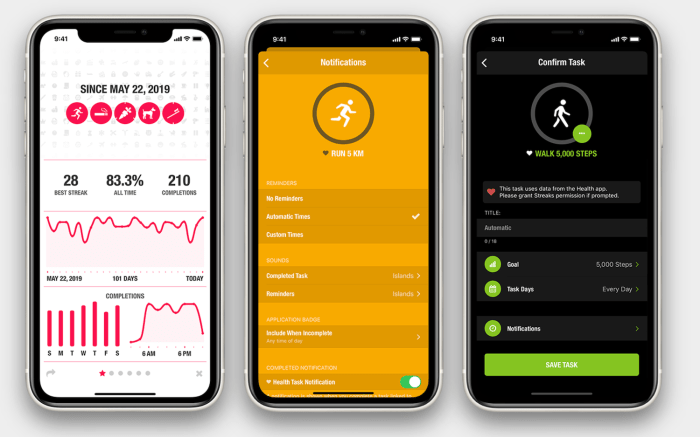
Choosing between an online wellness program and an in-person wellness retreat depends heavily on individual needs, preferences, and resources. Both offer pathways to improved well-being, but they differ significantly in their delivery, cost, and overall experience. This comparison highlights the key distinctions to aid in making an informed decision.
Benefits, Costs, and Accessibility
Online wellness programs generally boast greater accessibility and affordability. Geographic location becomes irrelevant, allowing participation from anywhere with an internet connection. Costs are typically lower due to the absence of travel, accommodation, and on-site facility expenses. Retreats, conversely, offer immersive experiences, fostering deeper connection and focus due to the removal from daily distractions. However, they come with significantly higher costs, encompassing travel, accommodation, and program fees.
Accessibility is limited by geographical location, travel capabilities, and financial resources. For example, a week-long yoga retreat in Bali will be far more expensive and less accessible than an online yoga course.
Types of Wellness Experiences Offered
Online programs provide flexibility in the types of wellness experiences offered. They can range from guided meditations and fitness classes to nutritional guidance and mindfulness workshops, often delivered through pre-recorded content or live sessions. Retreats typically focus on a specific wellness modality, such as yoga, meditation, or detox, offering a more intensive and immersive experience. A retreat might involve daily yoga sessions, healthy meals prepared by a nutritionist, and guided meditation sessions in a tranquil natural setting, creating a holistic and cohesive experience.
In contrast, an online program might offer a variety of independent modules focusing on different aspects of wellness.
Ideal Target Audience
Online wellness programs cater to a broad audience, particularly those with busy schedules, limited budgets, or physical limitations preventing travel. Individuals seeking flexibility and convenience find online programs ideal. Wellness retreats, conversely, attract individuals seeking a transformative, immersive experience, willing to invest time and resources for a dedicated period of self-care and focused wellness practices. Those seeking community and a supportive environment might find the retreat setting more beneficial.
For example, someone with a demanding job might opt for an online stress-management program, while someone seeking a deeper spiritual connection might prefer a silent meditation retreat.
Advantages and Disadvantages for Achieving Wellness Goals
Online programs offer convenience and accessibility, making consistent engagement easier for many. However, the lack of in-person interaction and potential for distractions can hinder progress for some. Retreats offer a structured, immersive environment, promoting focused engagement and deep transformation. However, the high cost and limited accessibility may restrict participation for many. The success of each approach hinges on individual commitment and the program’s suitability to their specific needs and goals.
For example, someone aiming for consistent daily meditation might benefit from an online program with daily reminders and a supportive online community. Someone struggling with addiction might find the structure and support of a residential retreat more beneficial.
The Future of Online Wellness Programs
The online wellness market is poised for explosive growth, driven by increasing accessibility, technological advancements, and a growing awareness of mental and physical well-being. We are moving beyond simple video workouts and into a truly personalized and immersive experience, leveraging technology to create more effective and engaging programs.The integration of emerging technologies will fundamentally reshape the landscape of online wellness.
This transformation will impact both the delivery methods and the overall efficacy of these programs, creating new opportunities for growth while simultaneously presenting unique challenges.
Emerging Technologies and Their Impact
Artificial intelligence (AI) and virtual reality (VR) are two key technologies poised to revolutionize online wellness. AI-powered personalized programs, adapting to individual progress and preferences in real-time, are becoming increasingly sophisticated. Imagine a fitness app that adjusts workout intensity based on your heart rate and sleep patterns, or a meditation app that tailors guided sessions to your current emotional state.
VR, meanwhile, offers the potential for highly immersive and engaging experiences. Users could participate in virtual yoga retreats, explore calming virtual environments, or even undergo simulated exposure therapy for phobias, all from the comfort of their homes. The gamification of wellness, using AI and VR to create engaging and motivating experiences, is another promising trend.
Challenges and Opportunities for Growth
While the potential is vast, the online wellness market faces significant challenges. Data privacy and security are paramount concerns, especially with the increasing use of AI and wearable technology. Ensuring program efficacy and preventing the spread of misinformation are also crucial. Competition is fierce, demanding continuous innovation and adaptation. However, the opportunities are equally compelling.
The global reach of online platforms allows for a wider audience and greater accessibility than traditional wellness programs. The scalability of online programs allows for cost-effectiveness and increased affordability, making wellness accessible to a broader demographic. Furthermore, the integration of telehealth services, allowing for remote consultations with healthcare professionals, further expands the possibilities of online wellness.
A Futuristic Online Wellness Program Experience
Imagine logging into your personalized wellness platform, a sleek interface displaying your daily wellness dashboard. A holographic avatar, created using AI-powered body scanning technology, greets you. Your daily program, tailored by AI based on your biometrics, sleep data, and mood, is presented. You choose a VR meditation session, transported to a serene virtual beach. Following this, you engage in a personalized AI-guided yoga flow, with your avatar mirroring your movements, providing real-time feedback and adjustments.
Post-workout, AI analyzes your performance, suggesting adjustments to your program and offering nutritional advice. Throughout the day, the platform offers motivational prompts and progress tracking, ensuring consistent engagement and encouraging a holistic approach to well-being. This seamless integration of technology and personalized care represents the future of online wellness programs.
In conclusion, online wellness programs represent a significant advancement in the pursuit of holistic well-being, offering unparalleled convenience and accessibility. While challenges remain in ensuring inclusivity and addressing digital literacy gaps, the potential for growth and innovation within this sector is immense. The integration of emerging technologies promises to further enhance the effectiveness and personalization of these programs, paving the way for a future where accessible and effective self-care is within everyone’s reach.
The future of wellness is undeniably digital, and online programs are at the forefront of this evolution.
FAQ
What are the typical costs associated with online wellness programs?
Costs vary greatly depending on the program’s length, features, and provider. Some offer free introductory periods or limited free content, while others operate on subscription models or one-time purchase fees.
How do I choose the right online wellness program for my needs?
Consider your specific wellness goals (weight loss, stress reduction, improved sleep, etc.), your preferred learning style (video, audio, interactive exercises), and your budget. Read reviews and compare program features before making a decision.
What if I have a medical condition? Should I consult my doctor before starting an online wellness program?
It’s always advisable to consult your physician or other healthcare professional before starting any new fitness or wellness program, especially if you have pre-existing medical conditions.
Are online wellness programs effective?
The effectiveness of online wellness programs varies depending on individual commitment and program design. Many studies show positive outcomes, but success relies heavily on participant engagement and adherence to the program’s guidelines.


