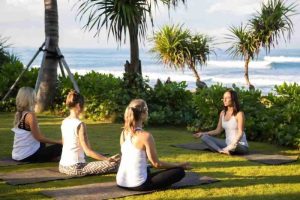
Spa wellness retreats offer a unique opportunity for rejuvenation and self-discovery, transcending the typical vacation experience. These retreats blend luxurious spa treatments with holistic wellness programs, creating a transformative journey focused on physical, mental, and emotional well-being. From invigorating yoga sessions to soothing massages and mindful meditation, these escapes provide a sanctuary for relaxation and personal growth, leaving participants feeling refreshed and renewed.
This exploration delves into the diverse facets of spa wellness retreats, examining various types, locations, and the benefits they offer. We will navigate the process of selecting the perfect retreat to match individual needs, ensuring a truly enriching and personalized experience. The comparison with other wellness programs further clarifies the unique value proposition of spa wellness retreats.
Defining Spa Wellness Retreats
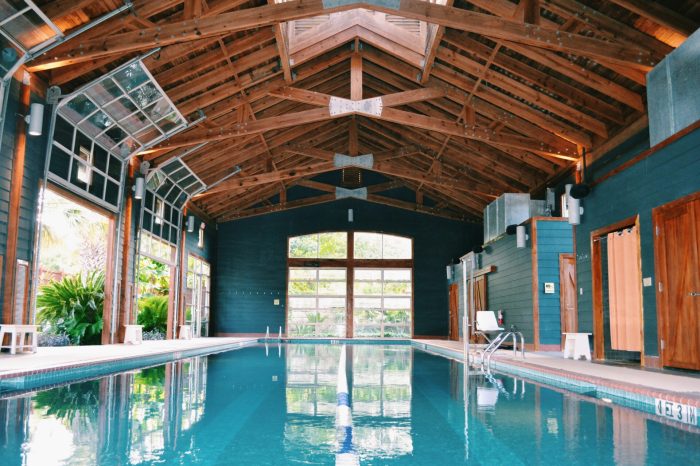
Spa wellness retreats offer a unique blend of relaxation, rejuvenation, and personal growth, setting them apart from typical vacations or other wellness programs. They provide a holistic approach to well-being, focusing on the interconnectedness of mind, body, and spirit within a carefully curated environment. This immersive experience prioritizes self-care and often incorporates a range of therapeutic treatments and activities designed to promote physical and mental restoration.Spa wellness retreats are distinguished by their emphasis on a comprehensive approach to wellness.
Unlike a simple vacation that may include some spa treatments, a retreat actively integrates spa therapies with other wellness practices to create a transformative experience. The focus isn’t solely on relaxation; it’s about achieving a deeper level of well-being through intentional activities and a supportive environment. This often includes structured daily schedules incorporating various activities, expert-led sessions, and opportunities for introspection and self-discovery.
Key Features of High-Quality Spa Wellness Retreats
High-quality spa wellness retreats are characterized by several key features that contribute to a truly exceptional experience. These features extend beyond simply offering luxurious amenities; they encompass a holistic approach to well-being, encompassing the environment, the activities, and the overall experience.
- Expert-Led Programs: Retreats often feature programs led by qualified professionals, such as certified yoga instructors, massage therapists, nutritionists, or life coaches. These experts design and lead activities tailored to the retreat’s theme and the participants’ needs.
- Holistic Approach: A focus on mind-body-spirit connection, integrating physical activities, mindfulness practices, healthy nutrition, and spa treatments to promote overall well-being.
- Luxurious Accommodations and Amenities: High-quality retreats typically offer comfortable and aesthetically pleasing accommodations, along with access to amenities such as pools, saunas, and steam rooms, enhancing the overall experience.
- Personalized Experiences: Retreats often offer personalized programs and treatments, catering to individual needs and preferences to maximize the benefits of the retreat.
- Supportive and Relaxing Environment: A tranquil and peaceful setting, free from the stresses of daily life, fostering relaxation, reflection, and personal growth.
Comparison with Other Wellness Tourism
Spa wellness retreats differ from other forms of wellness tourism, such as fitness retreats or yoga retreats, in their scope and emphasis. While fitness retreats may prioritize physical activity and athletic performance, and yoga retreats focus primarily on yoga practice, spa wellness retreats integrate a broader range of modalities. They encompass physical activities, but also incorporate a wider array of therapies, relaxation techniques, and opportunities for self-reflection and personal development.
For example, a fitness retreat might focus intensely on HIIT workouts and nutritional coaching, whereas a spa wellness retreat might incorporate gentler yoga, meditation, massage therapy, and healthy cooking classes, alongside opportunities for quiet contemplation. The overall aim of a spa wellness retreat is a more holistic rejuvenation and restoration, rather than a singular focus on physical fitness or a specific practice like yoga.
Types of Spa Wellness Retreats
Spa wellness retreats offer a diverse range of experiences catering to various needs and preferences. Understanding the different types available allows individuals to select the retreat best suited to their goals and desired outcomes. These retreats aren’t just about pampering; they’re about holistic well-being, encompassing physical, mental, and spiritual aspects.
Detoxification Retreats
Detoxification retreats focus on cleansing the body of toxins through a combination of healthy eating, exercise, and spa treatments. Imagine waking to the scent of citrus and ginger, the promise of a day dedicated to purifying your system. Participants often follow a strict, yet delicious, diet featuring organic fruits, vegetables, and lean proteins. Activities might include yoga, meditation, and hydrotherapy sessions, all designed to support the body’s natural detoxification processes.
The result is often a feeling of lightness, increased energy, and improved clarity of mind. The sensory experience is one of rejuvenation: the cool touch of herbal wraps, the soothing warmth of a sauna, and the invigorating freshness of a daily juice cleanse.
Weight Loss Retreats
Weight loss retreats combine healthy eating plans with fitness programs and stress-reduction techniques to support sustainable weight management. Picture yourself hiking through scenic trails, invigorated by the fresh air and breathtaking views, followed by a nourishing meal prepared with locally sourced ingredients. These retreats often incorporate personalized nutrition counseling, fitness classes tailored to individual needs and abilities (think Pilates, strength training, and invigorating hikes), and mindfulness practices to manage emotional eating.
The sensory experience combines the physical exertion of exercise with the mindful enjoyment of healthy, flavorful food. The feeling of accomplishment, both physically and mentally, is a significant benefit.
Stress Reduction Retreats
Stress reduction retreats prioritize relaxation and mindfulness to help participants manage stress and improve overall well-being. Envision yourself nestled in a tranquil setting, the gentle sounds of nature washing over you as you participate in restorative yoga sessions. These retreats emphasize calming activities such as meditation, yoga, massage therapy, and nature walks. The goal is to help participants disconnect from daily stressors and reconnect with themselves.
The sensory experience involves calming aromas, soothing music, and the gentle touch of skilled therapists. The result is a sense of deep relaxation, reduced anxiety, and increased emotional resilience.
Spiritual Renewal Retreats
Spiritual renewal retreats focus on inner growth and self-discovery through practices such as meditation, yoga, and spiritual guidance. Imagine a sunrise meditation overlooking a serene landscape, the quiet contemplation followed by a day filled with inspiring workshops and insightful discussions. These retreats provide opportunities for introspection and connection with a higher power or inner self. They may incorporate guided meditation sessions, spiritual workshops, and nature-based activities designed to foster a sense of peace and connection.
The sensory experience is one of quiet contemplation, inner peace, and a deep sense of connection with oneself and the natural world. The result is often a renewed sense of purpose, increased self-awareness, and a deeper connection to one’s spirituality.
| Retreat Type | Target Audience | Key Activities | Typical Duration |
|---|---|---|---|
| Detoxification | Individuals seeking to cleanse their bodies and improve overall health | Healthy eating plans, yoga, hydrotherapy, massage | 3-7 days |
| Weight Loss | Individuals seeking sustainable weight management | Personalized nutrition counseling, fitness classes, mindfulness practices | 7-14 days |
| Stress Reduction | Individuals experiencing high levels of stress and anxiety | Meditation, yoga, massage therapy, nature walks | 3-7 days |
| Spiritual Renewal | Individuals seeking inner growth and self-discovery | Guided meditation, spiritual workshops, nature-based activities | 5-10 days |
Wellness Programs Offered at Spa Retreats
Spa wellness retreats offer a diverse range of programs designed to promote physical, mental, and emotional well-being. These programs typically blend various wellness practices to create a holistic and rejuvenating experience. The specific offerings vary depending on the retreat’s focus and location, but many incorporate elements of massage therapy, yoga, meditation, hydrotherapy, and healthy eating plans.
Massage Therapy
Massage therapy is a cornerstone of most spa wellness retreats. Different massage styles, such as Swedish massage (focuses on long strokes to improve circulation), deep tissue massage (targets deeper muscle layers to relieve chronic pain), and aromatherapy massage (incorporates essential oils for therapeutic benefits), are commonly offered. The benefits include stress reduction, muscle relaxation, improved circulation, pain relief, and increased flexibility.
A skilled massage therapist can tailor the session to address specific needs and preferences, making it a highly personalized experience.
Yoga and Meditation
Yoga and meditation practices are frequently integrated into spa retreat programs. Yoga combines physical postures, breathing techniques, and meditation to promote physical and mental well-being. Different styles of yoga, such as Hatha, Vinyasa, and restorative yoga, cater to various fitness levels and preferences. Meditation, on the other hand, involves focusing the mind on a single point of reference, such as the breath or a mantra, to achieve a state of relaxation and mindfulness.
The combined benefits of yoga and meditation include stress reduction, improved flexibility, increased body awareness, enhanced mental clarity, and emotional regulation.
Hydrotherapy
Hydrotherapy, the use of water for therapeutic purposes, is another popular component of spa wellness retreats. This can involve various treatments, such as hydro-massage baths, saunas, steam rooms, and plunge pools. The benefits of hydrotherapy include muscle relaxation, improved circulation, detoxification, stress reduction, and pain relief. The varying temperatures and pressures of water can also stimulate the body’s natural healing processes.
Sample 5-Day Spa Wellness Retreat Program
This sample program demonstrates how various wellness practices can be incorporated into a structured retreat. The schedule is designed to balance relaxation, activity, and self-reflection.
| Day | Morning | Afternoon | Evening |
|---|---|---|---|
| Day 1 | Arrival & Welcome; Gentle Yoga Session | Guided Nature Walk; Introduction to Mindfulness Meditation | Aromatherapy Massage; Relaxation by the Pool |
| Day 2 | Hatha Yoga; Healthy Breakfast Workshop | Swedish Massage; Free Time | Meditation Session; Sound Healing |
| Day 3 | Sunrise Meditation; Hiking Excursion | Hydrotherapy Session (Sauna & Plunge Pool); Nutritional Counseling | Cooking Demonstration & Healthy Dinner |
| Day 4 | Vinyasa Yoga; Detoxifying Juice Bar | Deep Tissue Massage; Restorative Yoga | Journaling Session; Movie Night |
| Day 5 | Final Meditation Session; Farewell Brunch | Departure |
Location and Setting of Spa Wellness Retreats
The location and setting of a spa wellness retreat significantly impact the overall experience, contributing to relaxation, rejuvenation, and the creation of lasting memories. The environment itself becomes an integral part of the therapeutic journey, influencing mood, energy levels, and the effectiveness of treatments. Careful consideration of the setting is crucial for creating a truly transformative retreat.The choice of location profoundly shapes the atmosphere and activities available.
Different settings appeal to varying preferences and offer unique benefits.
Mountain Resort Spa Retreats
Mountain resorts offer a tranquil escape amidst breathtaking scenery. The crisp mountain air, stunning views, and invigorating hikes contribute to a sense of serenity and promote physical activity. Many mountain spas incorporate elements of nature into their design, using natural materials like wood and stone, and offering treatments inspired by the local environment. The cooler temperatures and higher altitude can also be beneficial for some individuals, promoting better sleep and improved respiratory function.
Examples include luxurious spas nestled in the Swiss Alps or the Rocky Mountains, where guests can enjoy breathtaking vistas while undergoing revitalizing treatments.
Beach Destination Spa Retreats
Beach destinations provide a different kind of restorative experience. The soothing sound of the ocean, the warmth of the sun, and the calming effect of the sea air create a relaxing atmosphere. Beach spa retreats often focus on water-based therapies, such as thalassotherapy (using seawater for therapeutic purposes), and incorporate elements of marine life into their treatments. The relaxed, informal atmosphere of a beach setting can be particularly appealing to those seeking a less structured and more carefree retreat.
Imagine a luxurious beachfront spa in the Maldives or Bali, where guests can enjoy ocean views from their private villas and partake in rejuvenating marine-based treatments.
Urban Spa Retreats
Urban spas offer a unique blend of convenience and tranquility. While not surrounded by the same expansive natural beauty as mountain or beach locations, urban spas often prioritize sophisticated design and cutting-edge treatments. They provide easy access to cultural attractions and other urban amenities, appealing to those who prefer a more active and stimulating environment alongside their wellness activities.
A high-end urban spa might be located in a stylish hotel in a major city like New York or London, offering a blend of sophisticated treatments and easy access to city life.
Ideal Setting for a Luxurious Spa Wellness Retreat
The ideal setting for a luxurious spa wellness retreat seamlessly blends natural beauty with sophisticated design. Imagine a retreat nestled within a lush landscape, perhaps overlooking a serene lake or ocean. The architecture should be harmonious with the surroundings, using natural materials like stone, wood, and glass to create a sense of openness and connection with nature. Landscaping plays a crucial role, with meticulously maintained gardens, tranquil water features, and carefully chosen flora contributing to a sense of peace and tranquility.
The ambiance should be one of understated elegance and quiet sophistication, with soft lighting, calming colors, and subtle aromatherapy diffusing throughout the space. The overall effect should be one of seamless integration between the built environment and the natural world, creating a truly immersive and restorative experience.
Benefits and Outcomes of Spa Wellness Retreats
Spa wellness retreats offer a unique opportunity to prioritize self-care and achieve significant improvements in physical, mental, and emotional well-being. The immersive environment, coupled with structured wellness programs, facilitates profound and lasting positive changes. These benefits extend beyond the immediate retreat experience, impacting various aspects of daily life long after the return home.
Physical Benefits of Spa Wellness Retreats
Spa retreats often incorporate activities promoting physical health. These activities can significantly reduce stress and improve overall physical condition. For instance, yoga and Pilates classes improve flexibility, strength, and balance, reducing the risk of injury and improving posture. Massage therapy, a staple of most spa retreats, alleviates muscle tension, improves circulation, and reduces pain. Furthermore, many retreats emphasize healthy eating habits, providing nutritious meals and encouraging mindful eating practices.
This contributes to weight management, improved energy levels, and a reduction in the risk of chronic diseases associated with poor diet. The overall effect is a noticeable increase in physical vitality and a decreased susceptibility to illness.
Mental Benefits of Spa Wellness Retreats
The structured environment and emphasis on relaxation inherent in spa wellness retreats provide a significant respite from the stresses of daily life. Mindfulness practices, such as meditation and yoga, are frequently incorporated into retreat programs. Studies have shown that regular mindfulness meditation reduces stress hormones like cortisol, leading to a calmer and more focused mind. The time dedicated to self-reflection and disconnecting from technology contributes to improved cognitive function, reduced anxiety, and enhanced mental clarity.
The sense of calm and rejuvenation experienced during the retreat often translates into improved stress management skills and increased resilience to future challenges.
Emotional Benefits of Spa Wellness Retreats
Spa retreats create an environment conducive to emotional healing and self-discovery. The combination of relaxation techniques, personal reflection time, and often, group activities fosters emotional regulation and self-awareness. Many retreats include journaling prompts or guided introspection sessions designed to help participants process emotions and identify patterns of behavior. The supportive atmosphere and connection with like-minded individuals can provide a sense of community and belonging, reducing feelings of isolation and loneliness.
This, in turn, leads to increased self-esteem and a greater sense of emotional well-being. The experience can promote emotional resilience, equipping individuals with tools to better manage difficult emotions in the future.
Spiritual Benefits of Spa Wellness Retreats
While not always explicitly religious, many spa retreats incorporate elements that foster spiritual growth and self-connection. Activities like meditation, nature walks, and mindful movement can facilitate a deeper connection with oneself and the surrounding environment. This heightened sense of awareness can lead to a greater appreciation for life’s simple pleasures and a stronger sense of purpose. The time for introspection and self-reflection often allows individuals to reconnect with their values and identify their priorities, leading to increased life satisfaction and a sense of meaning.
This renewed sense of purpose can have a profound impact on overall well-being, fostering a greater sense of inner peace and contentment.
Long-Term Effects on Overall Well-being
The benefits of a spa wellness retreat are not limited to the duration of the retreat itself. The positive changes experienced during the retreat often lead to sustained improvements in overall well-being. Participants often report improved sleep quality, increased energy levels, and a greater ability to manage stress long after returning home. The enhanced self-awareness and coping mechanisms acquired during the retreat empower individuals to make healthier choices in their daily lives, leading to a more balanced and fulfilling lifestyle.
The lasting effects contribute to improved physical and mental resilience, promoting long-term health and happiness. For example, someone who learned mindfulness techniques during a retreat might continue practicing them daily, leading to sustained stress reduction and improved mental clarity. Similarly, someone who adopted healthier eating habits during the retreat might maintain these habits, resulting in improved physical health.
Choosing the Right Spa Wellness Retreat
Selecting the perfect spa wellness retreat requires careful consideration of your individual needs and preferences. A well-chosen retreat can be transformative, offering a much-needed escape and a path towards improved well-being. However, a poorly chosen one might fall short of expectations, leaving you feeling disappointed and potentially even worse than before. This guide will help you navigate the process and find the ideal retreat for you.
Factors to Consider When Selecting a Spa Wellness Retreat
Choosing a spa wellness retreat involves evaluating several key aspects to ensure a positive and beneficial experience. These factors significantly impact the overall value and effectiveness of your retreat.
- Location and Setting: Consider the environment you find most relaxing. Do you prefer a secluded mountain retreat, a tranquil beachside escape, or a vibrant urban oasis? The location should complement your desired atmosphere and enhance your overall experience. For instance, a yoga retreat in a remote mountain setting might offer a deeper sense of connection with nature, while a city spa might provide access to cultural attractions and a more stimulating environment.
- Program Offerings: The retreat’s program should align with your wellness goals. Are you seeking stress reduction, weight loss, improved fitness, or spiritual growth? Examine the specific activities, workshops, and therapies offered to ensure they cater to your needs. A retreat focusing on mindfulness and meditation might be ideal for stress reduction, while one emphasizing fitness classes and healthy eating could be suitable for weight management.
- Cost and Value: Spa wellness retreats vary significantly in price. Consider your budget and compare the cost with the services and amenities offered. Look beyond the headline price and assess the value proposition – what are you getting for your investment? A higher price doesn’t always guarantee a better experience, but a thorough evaluation of the inclusions and the overall quality is essential.
- Amenities and Accommodations: The comfort and quality of your accommodations significantly impact your overall experience. Consider the type of room, the amenities provided (e.g., private balconies, pools, fitness centers), and the overall ambiance of the spa. A luxurious suite with stunning views can enhance relaxation, while basic accommodations might not offer the same level of comfort and privacy.
- Instructors and Staff: The expertise and professionalism of the instructors and staff are paramount. Research their qualifications and experience. Look for testimonials or reviews that highlight their skills and dedication. A highly qualified instructor can make a significant difference in the effectiveness of the program. For example, a certified yoga instructor with years of experience will provide a more insightful and safe practice than someone without proper training.
Evaluating the Credibility and Reputation of Spa Wellness Retreat Providers
Before committing to a spa wellness retreat, it’s crucial to thoroughly investigate the provider’s credibility and reputation. This ensures you are choosing a reputable establishment that delivers on its promises.
- Online Reviews and Testimonials: Check reputable review websites like TripAdvisor or Google Reviews to see what past guests have said about their experiences. Pay attention to both positive and negative feedback to get a balanced perspective. Look for recurring themes in the reviews to identify potential strengths and weaknesses.
- Accreditation and Certifications: See if the spa or retreat center holds any relevant accreditations or certifications that demonstrate their commitment to quality and safety. These might include certifications related to specific therapies or wellness practices.
- Website and Social Media Presence: A professional and informative website is a good indicator of a reputable provider. Examine their website for details about their programs, instructors, accommodations, and policies. Their social media presence can also provide insights into their operations and client experiences.
- Contacting Previous Guests: If possible, reach out to past guests to inquire about their experiences. A personal testimonial can often provide valuable insights that online reviews may not capture.
A Step-by-Step Guide to Choosing a Spa Wellness Retreat
Following a structured approach ensures you select a retreat that perfectly aligns with your needs and expectations.
- Define Your Wellness Goals: Clearly identify what you hope to achieve from the retreat. Are you seeking stress reduction, weight loss, improved fitness, or something else?
- Research Potential Retreats: Use online search engines and review websites to identify retreats that align with your goals and preferences.
- Compare Retreat Options: Create a spreadsheet to compare different retreats based on factors like location, cost, program offerings, and amenities.
- Verify Credibility and Reputation: Thoroughly research the provider’s credibility and reputation using the methods described above.
- Read the Fine Print: Carefully review the terms and conditions, cancellation policies, and other important details before booking.
- Book Your Retreat: Once you’ve made your decision, book your retreat and look forward to a transformative experience.
Ultimately, spa wellness retreats represent a powerful investment in oneself. They provide a structured environment conducive to self-care and personal transformation, fostering lasting improvements in physical health, mental clarity, and emotional balance. By carefully considering individual needs and preferences, and selecting a reputable provider, individuals can embark on a journey of rejuvenation and self-discovery, reaping the numerous benefits of this increasingly popular form of wellness tourism.
Clarifying Questions
How much do spa wellness retreats typically cost?
The cost varies greatly depending on location, duration, amenities, and the specific programs offered. Expect prices ranging from a few hundred to several thousand dollars.
Are spa wellness retreats suitable for all fitness levels?
Many retreats cater to various fitness levels. However, it’s crucial to check the program details and contact the provider to discuss your specific needs and any limitations.
What should I pack for a spa wellness retreat?
Pack comfortable clothing suitable for various activities, swimwear, toiletries, and any personal items you may need for relaxation and meditation. Check the retreat’s specific recommendations.
Can I bring a companion on a spa wellness retreat?
Some retreats offer options for couples or groups, while others are designed for individual participation. Check the retreat’s policies regarding companions.