
Affordable wellness programs are transforming how individuals access crucial health and well-being resources. These initiatives, ranging from workplace wellness initiatives to community-based support and online platforms, offer a diverse range of services aimed at improving physical and mental health regardless of socioeconomic status. This exploration delves into the various types, accessibility, technological integration, and effectiveness of these vital programs, highlighting their crucial role in creating healthier, more equitable communities.
We will examine the key features that define affordability in wellness programs, including cost-effectiveness, accessibility, and the overall value proposition. We’ll also discuss the challenges of inclusivity and how technology is reshaping the landscape of affordable wellness, making it more accessible and impactful than ever before. The discussion will further analyze the sustainability of these programs and offer practical strategies for their long-term success.
Defining Affordable Wellness Programs
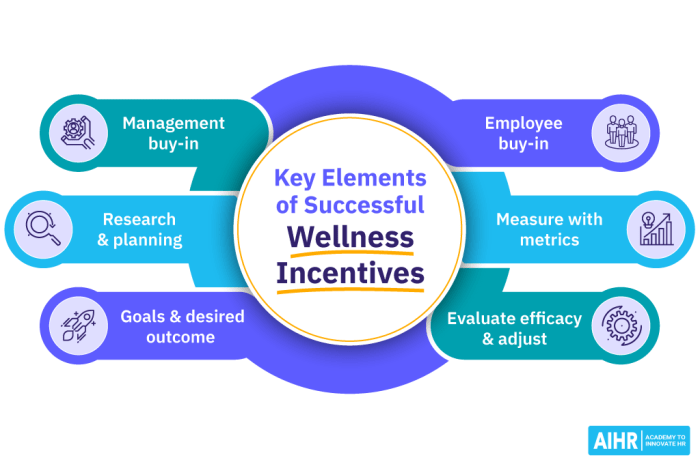
Affordable wellness programs are designed to improve the physical, mental, and emotional well-being of individuals, while remaining accessible to a broad range of income levels. This accessibility is achieved through a combination of strategically priced services, flexible program structures, and a focus on maximizing the value delivered to participants. The definition isn’t solely about low cost; it’s about providing significant health benefits at a price point that aligns with the financial realities of the target audience.Defining affordability requires considering the diverse economic landscapes individuals inhabit.
What constitutes “affordable” for a high-income earner will differ significantly from what’s affordable for someone living near or below the poverty line. Therefore, the design and pricing of an affordable wellness program must be carefully tailored to its specific target demographic, acknowledging the varied financial capacities within that group. Program structures should also incorporate flexibility, perhaps offering tiered membership options or payment plans to enhance accessibility.
Types of Affordable Wellness Programs
Affordable wellness programs encompass a wide array of offerings, catering to diverse needs and preferences. The services offered and the pricing structures often depend on the program’s target audience and the resources available.
- Workplace Wellness Programs: Many companies offer subsidized or free wellness programs to their employees, often including health screenings, stress management workshops, and gym memberships. These programs aim to boost employee morale and productivity while reducing healthcare costs in the long run. For example, a company might offer a discounted gym membership or on-site yoga classes.
- Community-Based Programs: These programs, often run by non-profit organizations or local governments, offer low-cost or free wellness services to underserved populations. Services might include free health clinics, group fitness classes in community centers, or nutrition education workshops. A community garden initiative, providing fresh produce and promoting healthy eating habits, is a prime example.
- Subscription-Based Online Programs: The rise of technology has enabled the creation of affordable online wellness programs. These programs often offer a range of services, including guided meditations, fitness videos, and nutritional guidance, at a monthly subscription fee significantly lower than in-person options. A subscription service offering daily mindfulness exercises via a mobile app, priced affordably at a few dollars a month, illustrates this category.
Key Features of Affordable Wellness Programs
Several key features contribute to the affordability and effectiveness of wellness programs. These features go beyond simply low pricing; they ensure the program’s value and accessibility.
- Cost-Effectiveness: Affordable programs are designed to maximize the impact per dollar spent. This may involve utilizing cost-effective resources, leveraging technology, or focusing on high-impact interventions. For example, a program may prioritize group classes over individual sessions, offering a cost-effective way to reach a larger audience.
- Accessibility: Affordability extends beyond cost; it encompasses accessibility. Programs should be easily accessible geographically, with convenient locations and times, and should also be inclusive of diverse needs and abilities. For instance, offering online programs overcomes geographical barriers and allows for participation regardless of physical limitations.
- Value Proposition: An affordable program must deliver significant value. This means the program should demonstrably improve participants’ well-being, offering measurable outcomes that justify the investment. For example, a program showing improved blood pressure levels or reduced stress levels among participants would clearly demonstrate its value.
Types of Affordable Wellness Programs
Affordable wellness programs come in various forms, catering to diverse needs and budgets. Understanding the different types available is crucial for individuals and organizations seeking to improve well-being without breaking the bank. This section will explore several common types, highlighting their services and benefits.
Comparison of Affordable Wellness Program Types
Choosing the right program depends on individual circumstances and preferences. The table below compares four common types:
| Program Type | Services Offered | Benefits | Accessibility |
|---|---|---|---|
| Workplace Wellness Programs | Health screenings, fitness classes, stress management workshops, health coaching, smoking cessation programs, ergonomic assessments. Some may offer discounts on gym memberships or health insurance premiums. | Improved employee health, reduced healthcare costs for employers, increased productivity, improved morale and employee retention. | Limited to employees of participating organizations. |
| Community-Based Programs | Group fitness classes (yoga, Zumba, etc.), nutrition workshops, health education seminars, support groups, access to community gardens or walking trails. Often offered through local YMCA’s, community centers, or non-profit organizations. | Increased physical activity, improved nutrition, access to social support networks, enhanced community engagement. | Generally accessible to all members of the community, though some programs may have income-based restrictions. |
| Online Wellness Resources | Fitness apps (with guided workouts and nutritional plans), meditation apps, online health coaching, virtual fitness classes, access to online health information and support forums. | Convenience, flexibility, accessibility from anywhere with an internet connection, affordability (often subscription-based at a lower cost than in-person programs). | Accessible to anyone with internet access, but may require technological literacy. |
| Subsidized Programs | Government-funded or non-profit sponsored programs that offer reduced-cost or free access to wellness services. These can include programs focusing on specific health issues like diabetes management or weight loss, or broader wellness initiatives. | Access to affordable or free wellness services for low-income individuals, improved health outcomes for vulnerable populations. | Eligibility is often based on income or other criteria, and availability varies by location and program. |
Resources for Finding Affordable Wellness Programs
Locating affordable wellness programs often requires some research. Several resources can assist in this process.
Individuals can begin by contacting their employer to inquire about workplace wellness initiatives. Local community centers, YMCA’s, and non-profit organizations frequently offer affordable or subsidized programs. Online searches using s like “affordable wellness programs [your city/state]” can yield promising results. Government websites at the local, state, and federal levels may also list available subsidized health and wellness programs.
Additionally, many health insurance providers offer resources and programs to support their members’ wellness goals.
Accessibility and Inclusivity in Affordable Wellness
Creating truly affordable wellness programs requires a commitment to accessibility and inclusivity. Without considering the diverse needs and barriers faced by various populations, even the most well-intentioned programs risk excluding those who need them most, undermining their overall effectiveness and societal benefit. Ensuring equitable access is paramount to achieving genuine health equity.Accessibility and inclusivity are not merely ethical considerations; they are crucial for the success of any affordable wellness initiative.
Programs must be designed to reach and effectively serve individuals from all backgrounds, regardless of their socioeconomic status, physical or mental abilities, geographic location, or other relevant factors. Failing to do so limits the potential impact of these programs and perpetuates existing health disparities.
Barriers to Access for Different Populations
Several significant obstacles hinder access to affordable wellness programs for various populations. Understanding these barriers is the first step toward developing effective solutions.
- Socioeconomic Status: Low-income individuals often face significant financial constraints, limiting their ability to afford program fees, transportation costs, or even the time needed to participate due to work or caregiving responsibilities. For example, a program requiring participants to purchase specialized equipment or travel long distances would disproportionately exclude those with limited financial resources.
- Disability: Individuals with disabilities may encounter physical, sensory, or cognitive barriers that prevent their participation in standard wellness programs. Lack of accessible facilities, inadequate communication strategies, and a lack of adaptive equipment can all create significant hurdles. For instance, a yoga class held in a building without an elevator would exclude individuals with mobility impairments.
- Location: Geographic location significantly impacts access to wellness resources. Individuals living in rural areas or underserved communities often lack convenient access to programs, transportation options, and qualified instructors. Consider a scenario where the nearest wellness center is a considerable distance from a rural community, making participation impractical for many residents.
- Language Barriers: Language differences can create significant obstacles for non-English speakers in accessing and understanding information about wellness programs, participating in activities, or communicating with instructors or healthcare professionals. A program delivered solely in English would exclude a significant portion of the population in diverse communities.
- Cultural Factors: Cultural beliefs, practices, and preferences can influence an individual’s willingness or ability to engage with wellness programs. Programs that fail to account for cultural sensitivities or offer culturally appropriate activities may discourage participation from certain groups.
Addressing Barriers to Ensure Inclusive Access
To overcome these barriers and ensure equitable access, a multifaceted approach is necessary. This plan Artikels key strategies to improve inclusivity and broaden participation in affordable wellness programs.
- Financial Assistance and Subsidies: Implementing sliding-scale fees, scholarships, and community partnerships can help make programs financially accessible to low-income individuals. Examples include collaborations with local charities or government agencies to provide financial support for program participation.
- Accessible Program Design: Wellness programs should be designed to accommodate individuals with diverse abilities. This includes providing accessible facilities, using inclusive language, and offering adapted activities or modifications to suit individual needs. For instance, offering chair yoga alongside traditional yoga classes caters to individuals with mobility limitations.
- Transportation Assistance: Providing transportation assistance, such as subsidized public transport or ride-sharing services, can help overcome geographic barriers for individuals in remote areas or those with limited mobility. Partnerships with local transportation providers or community organizations could facilitate this.
- Multilingual Programs and Materials: Offering programs and materials in multiple languages ensures accessibility for individuals who do not speak English fluently. This can include translation services, bilingual instructors, and multilingual informational brochures.
- Culturally Sensitive Programming: Incorporating culturally relevant practices and activities can enhance engagement and participation from diverse cultural groups. For example, offering wellness programs that integrate traditional healing practices or incorporate cultural elements can increase participation.
- Community Partnerships and Outreach: Collaborating with community organizations, faith-based groups, and local leaders can help reach underserved populations and promote program participation. Targeted outreach campaigns within these communities can build trust and encourage engagement.
The Role of Technology in Affordable Wellness
Technology plays a crucial role in making wellness programs more accessible and affordable. By leveraging digital platforms and tools, we can overcome geographical barriers, reduce costs associated with traditional in-person programs, and personalize the wellness journey for individuals with diverse needs and budgets. This allows for greater reach and engagement, ultimately promoting a healthier population.Technology facilitates the creation and delivery of affordable wellness programs in several key ways.
It enables the development of scalable, cost-effective solutions that can reach a wider audience compared to traditional methods. Furthermore, the use of technology often leads to increased program engagement and improved health outcomes. This is due to the convenience and personalization offered by digital tools.
Online Platforms and Apps for Affordable Wellness
Many online platforms and mobile applications offer affordable, or even free, wellness resources. These resources range from guided meditation apps to fitness trackers and virtual coaching services. The accessibility and convenience of these digital tools are significant advantages, particularly for individuals with limited time or mobility.
Cost Reduction Through Technology
Technology significantly reduces the costs associated with traditional wellness programs. For instance, online platforms eliminate the need for expensive physical venues, instructors’ travel expenses, and printed materials. This cost-effectiveness translates directly to lower program fees for participants, making wellness accessible to a broader population. Telehealth platforms, for example, enable remote consultations with healthcare professionals, significantly reducing travel costs and time commitments for individuals seeking support.
The use of data analytics also allows for better program design and resource allocation, further minimizing unnecessary expenses.
Improved Accessibility and Inclusivity via Technology
Technology improves accessibility for individuals who might otherwise be excluded from wellness programs. For example, individuals with disabilities or those in rural areas with limited access to healthcare facilities can benefit significantly from online programs and telehealth services. The use of translated content and multilingual support in apps further broadens accessibility for diverse populations. Personalized wellness plans, generated through data analysis from wearable technology, can also tailor wellness programs to the specific needs of individuals, promoting better engagement and outcomes.
For instance, an app could provide tailored exercise routines based on an individual’s fitness level and medical history, ensuring safety and effectiveness.
Ultimately, the success of affordable wellness programs hinges on their accessibility, inclusivity, and demonstrable impact on participants’ well-being. By leveraging technology, fostering community engagement, and securing sustainable funding, we can create a future where health and wellness are within reach for everyone. The examples and strategies explored here offer a roadmap for building and sustaining effective, affordable wellness initiatives that empower individuals and strengthen communities.
Helpful Answers
What are the typical costs associated with affordable wellness programs?
Costs vary greatly depending on the program type and services offered. Some programs are entirely free, while others may involve minimal fees or subsidized costs.
How can I find an affordable wellness program in my area?
Check with local community centers, your employer, or search online for programs in your area. Many non-profit organizations also offer subsidized or free wellness services.
Are affordable wellness programs effective?
Numerous studies demonstrate the effectiveness of affordable wellness programs in improving physical and mental health outcomes, reducing healthcare costs, and increasing overall well-being.
What types of services are typically offered?
Services vary but often include fitness classes, health education workshops, stress management techniques, mental health support, and nutrition counseling.


