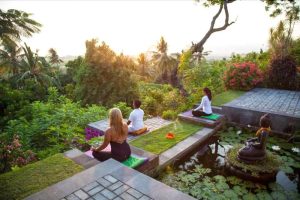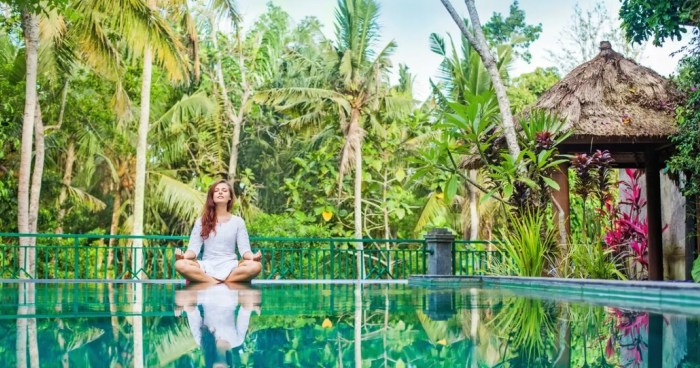
Escape the everyday chaos and rediscover inner tranquility with a meditation wellness retreat. These transformative experiences offer more than just meditation; they provide a holistic approach to well-being, blending mindfulness practices with complementary activities like yoga, healthy cuisine, and rejuvenating spa treatments. Whether you’re a seasoned meditator or a curious beginner, a retreat provides a dedicated space for self-reflection, stress reduction, and personal growth.
Imagine waking to the sounds of nature, engaging in mindful movement, and nourishing your body with wholesome foods – all while cultivating a deeper connection with yourself.
Retreats cater to diverse needs and preferences, offering various meditation styles, from guided mindfulness to silent retreats. The ideal location varies, from serene mountain escapes to tranquil beachside havens, each environment contributing to the overall experience. Careful consideration is given to the program design, ensuring a balance of structured sessions and free time for personal reflection and relaxation.
The aim is to leave participants feeling refreshed, revitalized, and equipped with practical tools for sustained well-being.
Target Audience and Market Analysis
Meditation wellness retreats cater to a diverse but identifiable market segment seeking personal growth, stress reduction, and improved well-being. Understanding this audience is crucial for effective marketing and retreat design. This analysis explores the key demographics, motivations, and decision-making processes of potential attendees.Understanding the motivations and needs of potential attendees is key to designing a successful retreat. Many individuals are drawn to these retreats seeking respite from the pressures of modern life.
Others may be actively pursuing spiritual growth or exploring alternative approaches to mental and physical health.
Primary Demographic Groups
The primary demographic groups interested in meditation wellness retreats typically include individuals aged 30-55, with a higher representation of women. This age range often coincides with periods of significant life transitions, career milestones, or family changes, prompting a search for self-discovery and stress management techniques. However, the market is expanding to include younger adults (25-29) and older adults (55+), reflecting a growing interest in mindfulness and wellness across generations.
Individuals with higher disposable incomes are more likely to participate, although the affordability of retreats varies significantly. Furthermore, a significant portion of attendees hold professional jobs that are demanding and stressful, such as those in the technology, finance, or healthcare sectors.
Motivations and Needs of Potential Attendees
Prospective attendees are typically driven by a desire for self-improvement, stress reduction, and enhanced well-being. Many seek to cultivate mindfulness, improve focus and concentration, and manage anxiety or burnout. Some are motivated by a desire for spiritual exploration or personal growth, while others are looking for a break from daily routines and a chance to reconnect with themselves.
The need for a supportive and nurturing environment is paramount, alongside access to qualified instructors and a structured program. A retreat offers a dedicated space for introspection and personal transformation, free from daily distractions. The opportunity to learn practical meditation techniques and integrate them into daily life is another strong motivator.
Factors Influencing the Decision-Making Process
Several factors influence the decision-making process of prospective clients. The reputation and credibility of the retreat center and instructors are highly significant. Testimonials and reviews play a crucial role, as do the program’s content, location, and overall value proposition. Pricing and affordability are also important considerations, as are the retreat’s length and scheduling flexibility. The convenience of access, including travel arrangements and accommodation quality, influences the final decision.
Marketing materials, including website design and social media presence, contribute significantly to the initial interest and engagement of potential clients.
Ideal Participant Profile
The ideal participant for a meditation wellness retreat is a self-aware individual seeking personal growth and stress reduction. They are open to new experiences, committed to self-care, and possess a genuine interest in mindfulness and meditation practices. They are typically discerning consumers who value quality instruction, a supportive environment, and a well-structured program. They are motivated to integrate mindfulness into their daily lives and are seeking a transformative experience.
This individual is likely to be digitally savvy, actively seeking information online, and responsive to targeted marketing efforts. They value authenticity and transparency in the retreat’s offerings and the qualifications of the instructors.
Location and Setting
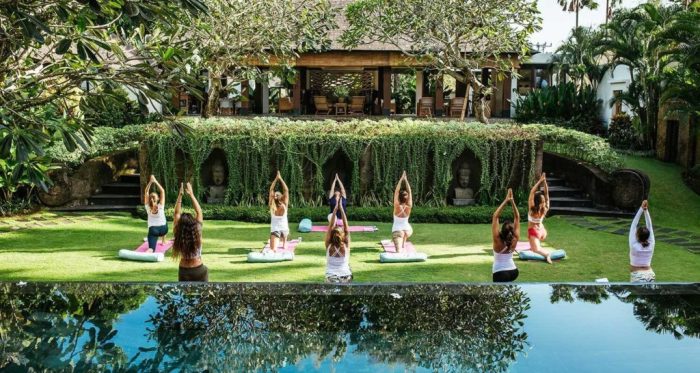
The choice of location significantly impacts the overall success and effectiveness of a meditation wellness retreat. A thoughtfully selected setting can enhance the tranquility and promote a deeper sense of connection with oneself and nature, fostering a more profound meditative experience. Careful consideration should be given to environmental factors, accessibility, and the overall atmosphere to create an optimal retreat environment.Ideal locations for meditation retreats often prioritize serenity and natural beauty.
Accessibility is also a key factor, balancing seclusion with ease of arrival for participants.
Ideal Locations for Meditation Retreats
Several locations offer unique advantages for fostering mindfulness and relaxation. Mountain retreats, for instance, provide stunning vistas, fresh air, and a sense of escape from the everyday hustle. Beach resorts offer the soothing sounds of the ocean and the calming effect of the sand and sea. Urban centers, while less traditionally associated with retreats, can offer unique advantages such as access to cultural attractions and diverse culinary experiences, providing a different type of restorative experience.
Each setting presents its own advantages and disadvantages.
Comparison of Retreat Settings
Mountain retreats often provide a sense of seclusion and awe-inspiring natural beauty. However, accessibility can be a challenge, particularly for those with mobility issues. Beach resorts offer a more relaxed atmosphere, with the calming sounds of the ocean, but may be more crowded and less conducive to complete solitude. Urban centers offer convenience and a variety of activities, but can lack the peace and quiet essential for deep meditation.
The ideal choice depends on the specific target audience and the overall goals of the retreat.
Sample Retreat Location Description
Nestled amidst the rolling hills of Tuscany, Italy, our retreat center offers a haven of serenity and tranquility. Surrounded by vineyards and olive groves, the center boasts breathtaking views of the Tuscan countryside. The architecture blends seamlessly with the natural landscape, featuring rustic charm and modern comforts. The calming atmosphere, coupled with the gentle sounds of nature, creates an ideal environment for introspection and mindfulness practices.
The center’s secluded location ensures privacy and a sense of escape from the stresses of daily life, while still remaining easily accessible by car.
Retreat Amenities
The following amenities are designed to enhance the retreat experience and contribute to the overall sense of well-being:
| Private Accommodations with Ensuite Bathrooms | Daily Yoga and Meditation Sessions | Healthy, Organic Meals | Guided Nature Walks |
| Spa Treatments (Massage, etc.) | Mindfulness Workshops | Access to a Library and Quiet Spaces | On-site Chef preparing delicious and nutritious meals |
| Outdoor Relaxation Areas | Expert Meditation Instructors | Swimming Pool | Free Wi-Fi access (limited areas) |
| Ample Parking | Laundry Services | 24/7 Security | Transportation to/from nearby attractions (optional) |
Wellness Programs and Activities
Our meditation wellness retreats are designed to provide a holistic and transformative experience, extending beyond simply meditation practice. We believe that true wellness encompasses the interconnectedness of mind, body, and spirit, and our program reflects this philosophy by offering a carefully curated selection of complementary activities. These activities work synergistically with the core meditation sessions, enhancing their benefits and creating a truly enriching retreat experience.Our aim is to foster a sense of balance and rejuvenation, leaving participants feeling refreshed, revitalized, and equipped with practical tools for sustained well-being.
This is achieved through the thoughtful integration of diverse wellness practices, creating a supportive and nurturing environment for personal growth and self-discovery.
Complementary Wellness Programs
The retreat incorporates several complementary wellness programs designed to support and enhance the meditative experience. These programs are carefully selected to offer a holistic approach, addressing various aspects of well-being. Yoga, for instance, complements meditation by promoting physical flexibility, strength, and mindful movement, fostering a deeper connection between mind and body. Healthy cuisine plays a crucial role, providing nourishing meals that support energy levels and overall health, contributing to a positive and balanced experience.
Other activities might include nature walks, mindful art sessions, or sound healing, all designed to further promote relaxation and inner peace.
Contribution to the Overall Retreat Experience
The inclusion of these complementary programs significantly enhances the overall retreat experience. Yoga, for example, prepares the body and mind for deeper meditation, improving focus and reducing physical tension. The nutritious meals provide sustained energy and prevent energy crashes, allowing participants to fully engage in all activities. Nature walks offer opportunities for quiet reflection and connection with nature, further supporting the meditative state.
The combination of these practices creates a synergistic effect, resulting in a more profound and lasting impact on participants’ well-being.
Integration of Different Wellness Practices
The integration of meditation with other wellness practices is key to our holistic approach. We carefully structure the program to ensure a seamless flow between activities, allowing participants to experience a harmonious blend of practices. For instance, a gentle yoga session might precede a guided meditation, preparing the body for stillness and deepening the meditative experience. A mindful nature walk could follow a meditation session, allowing participants to integrate their inner peace with the natural world.
This integrated approach creates a cumulative effect, leading to a more comprehensive and transformative experience.
Sample Daily Schedule
A typical day might begin with a gentle sunrise yoga session, followed by a nourishing breakfast featuring healthy, locally sourced ingredients. This is followed by a guided meditation session focusing on mindfulness and stress reduction. The afternoon might include a mindful nature walk or a creative art workshop, followed by a healthy lunch. The late afternoon might feature a restorative yoga session or a sound healing session, preparing participants for an evening meditation session before dinner and a restful night’s sleep.
This schedule is merely a sample, and specific activities may vary depending on the retreat’s theme and duration.
Marketing and Promotion
Successfully marketing a meditation wellness retreat requires a multi-pronged approach that leverages both online and offline strategies to reach the target audience effectively. This involves crafting compelling marketing materials, identifying the most appropriate channels, and learning from successful campaigns in the wellness industry.Marketing materials should clearly communicate the unique benefits and experiences offered by the retreat. This goes beyond simply listing activities; it’s about conveying the transformative potential of the retreat and the lasting impact it will have on participants’ well-being.
Marketing Materials
Brochures and website descriptions should showcase high-quality imagery and evocative language. Imagine a brochure featuring serene images of the retreat location, perhaps a tranquil garden or a mountain vista, paired with testimonials from past participants. The website description would expand on this, detailing the specific meditation techniques used, the qualifications of the instructors, and the overall ambiance of the retreat.
The emphasis should be on creating a sense of peace, rejuvenation, and personal growth. Consider including a detailed daily schedule and pricing information.
Reaching the Target Audience
Strategies for reaching the target audience will vary depending on demographics. For example, younger audiences might be reached more effectively through social media platforms like Instagram and TikTok, showcasing short, engaging videos and visually appealing content. Older demographics might respond better to traditional methods such as print advertising in relevant magazines or partnerships with local wellness centers. Online channels should include search engine optimization () to improve website visibility and targeted advertising campaigns on platforms frequented by the target demographic.
Offline strategies could involve collaborations with yoga studios, health food stores, and spas.
Successful Marketing Campaigns
Many successful wellness retreats have utilized influencer marketing, partnering with health and wellness bloggers or social media personalities to promote their programs. For example, a retreat specializing in yoga and mindfulness might collaborate with a yoga instructor with a large following on Instagram. Another successful strategy is email marketing, building an email list and sending out regular newsletters with updates, special offers, and testimonials.
A well-designed website with compelling visuals and easy booking options is crucial. Consider examples of retreats that have successfully used these strategies and analyze their approach.
Leveraging Social Media
Social media provides a powerful platform for showcasing the retreat’s atmosphere and benefits. Regularly posting high-quality photos and videos of the retreat location, activities, and testimonials creates a sense of community and excitement. Running contests and giveaways can increase engagement and brand awareness. Utilizing relevant hashtags and engaging with followers in the comments sections builds relationships and fosters a sense of connection.
Paid social media advertising can target specific demographics and interests, ensuring that marketing efforts reach the most receptive audience. Live sessions featuring instructors or past participants can offer a more personal touch and provide potential guests with an opportunity to ask questions.
Wellness Retreats and Wellness Programs
Wellness retreats offer a diverse range of approaches to improving physical and mental well-being. While they share the common goal of promoting holistic health, different types of retreats cater to specific needs and preferences, employing distinct methodologies and creating unique experiences for participants. This section will compare and contrast meditation retreats with other popular options, highlighting their key differences and exploring the integration of meditation within broader wellness programs.
Comparison of Meditation, Yoga, and Detox Retreats
Meditation retreats prioritize mindfulness practices to cultivate inner peace and reduce stress. Yoga retreats emphasize physical postures, breathing techniques, and meditation to improve flexibility, strength, and mental clarity. Detox retreats focus on cleansing the body through dietary changes, herbal remedies, and other purification methods. The target audience varies significantly; meditation retreats might attract individuals seeking stress reduction or spiritual growth, while yoga retreats appeal to those interested in physical fitness and mindfulness, and detox retreats attract those aiming for physical cleansing and weight loss.
The overall experience differs considerably, with meditation retreats offering a quieter, more introspective atmosphere, yoga retreats providing a balance of physical activity and relaxation, and detox retreats often incorporating more structured dietary regimens and physical therapies.
Programming Differences Across Retreat Types
The daily schedule and activities offered greatly differ across these retreat types. Meditation retreats typically include guided meditations, silent periods, mindfulness workshops, and potentially nature walks or other calming activities. Yoga retreats usually incorporate daily yoga classes of varying intensity, meditation sessions, and potentially workshops on yoga philosophy or related topics. Detox retreats often involve daily nutritional counseling, juice cleanses, colonics, and other detoxifying treatments, alongside exercise and relaxation techniques.
While some retreats might blend elements (for example, a yoga retreat incorporating meditation), the core focus and intensity of each type of activity varies considerably.
Target Audience and Overall Experience
The target audience for each retreat type is distinct. Meditation retreats attract individuals seeking stress reduction, spiritual exploration, or enhanced self-awareness. Yoga retreats draw a broader audience, including those seeking physical fitness, stress management, or spiritual growth. Detox retreats generally appeal to individuals aiming to cleanse their bodies, lose weight, or improve their overall health through detoxification. The overall experience reflects these differences; meditation retreats are often characterized by a quiet and introspective atmosphere, yoga retreats by a balance of physical activity and relaxation, and detox retreats by a more structured and intensive approach to cleansing and purification.
Integrating Meditation into Broader Wellness Programs
Meditation can be effectively integrated into various wellness programs to enhance their impact. For example, incorporating guided meditations into a yoga retreat can deepen the relaxation and mindfulness benefits of the yoga practice. In a detox retreat, meditation can help manage cravings and promote emotional well-being during the cleansing process. Similarly, meditation can be a valuable component of fitness retreats, helping participants manage stress and improve their focus and mental resilience.
Many retreats now actively incorporate mindfulness practices into their programs, recognizing the powerful synergistic effect of combining meditation with other wellness approaches. For instance, a mindfulness-based stress reduction (MBSR) program, often a cornerstone of many wellness retreats, inherently utilizes meditation as a central technique.
Illustrative Examples
This section provides detailed descriptions of three distinct meditation wellness retreats, showcasing their unique offerings and the immersive atmosphere they cultivate. We will then explore the sensory experience and transformative impact a retreat can have on a participant’s well-being.
Three Distinct Meditation Retreat Examples
The following Artikels three different meditation retreat experiences, each catering to a specific need and preference. These examples demonstrate the diverse approaches to meditation and wellness available.
- The Silent Mountain Retreat: This retreat emphasizes profound silence and solitude for deep introspection. It is nestled in a remote mountain range, far from urban distractions.
- Unique Features: Daily guided silent meditation sessions (6-8 hours), individual consultations with experienced meditation teachers, optional yoga and nature walks, vegetarian meals emphasizing mindful eating.
- Target Audience: Individuals seeking intense personal growth and spiritual exploration through extended periods of silence and meditation.
- Atmosphere: The atmosphere is one of profound peace and stillness. The crisp mountain air carries the scent of pine and damp earth. The only sounds are the gentle rustling of leaves and the distant call of birds.
- The Coastal Mindfulness Retreat: This retreat integrates mindfulness practices with the restorative power of the ocean. Located on a secluded beach, it emphasizes a balance between inner peace and outdoor activity.
- Unique Features: Daily guided meditation sessions incorporating ocean sounds and imagery, mindful movement practices like yoga and Tai Chi on the beach, ocean swimming, optional surfing lessons, fresh seafood and locally sourced meals.
- Target Audience: Individuals seeking a blend of relaxation, mindfulness, and physical activity in a naturally beautiful setting.
- Atmosphere: The atmosphere is vibrant yet calming. The sound of crashing waves provides a natural soundtrack to meditation, while the salty sea air and the scent of seaweed invigorate the senses.
- The Urban Zen Retreat: This retreat offers a unique blend of modern urban life and ancient meditation practices, situated in a tranquil urban oasis.
- Unique Features: Daily guided meditation sessions incorporating contemporary music and visualization techniques, workshops on stress management and mindfulness in daily life, access to urban amenities like cafes and museums, healthy and delicious meals incorporating local produce.
- Target Audience: Busy professionals and city dwellers seeking to integrate mindfulness into their daily lives without sacrificing urban conveniences.
- Atmosphere: The atmosphere is a blend of tranquility and urban energy. The retreat center is a peaceful sanctuary amidst the city’s buzz, offering a sense of calm amidst the urban landscape. The scent of essential oils and fresh flowers counteracts the city’s typical smells.
Sensory Experience of a Typical Meditation Retreat
The atmosphere of a typical meditation retreat is carefully curated to foster a sense of peace and tranquility. Visual elements might include soft, natural lighting, calming colors, and serene landscapes. Sounds are often muted, with perhaps the gentle sounds of nature or calming music playing softly in the background. Aromatic scents, such as essential oils like lavender or sandalwood, create a sense of calm and relaxation.
The tactile experience might include soft blankets, comfortable seating, and the feeling of bare feet on cool earth or soft grass. The overall experience is designed to soothe the senses and promote a state of deep relaxation.
Impact on a Participant’s Well-being
Imagine Sarah, a high-powered executive constantly stressed by deadlines and the demands of her job. She arrives at a Silent Mountain Retreat feeling overwhelmed and burnt out. Over the course of the retreat, Sarah engages in daily meditation sessions, enjoys quiet walks in nature, and participates in mindful eating. She gradually begins to shed her stress and anxiety.
By the end of the retreat, Sarah feels a renewed sense of calm and clarity. She returns to her life with a newfound ability to manage stress, improved focus, and a deeper appreciation for the present moment. She reports feeling more balanced, resilient, and connected to herself and her surroundings. The retreat provides her with practical tools and a renewed perspective that significantly improves her overall well-being.
Ultimately, meditation wellness retreats offer a powerful pathway to self-discovery and improved well-being. By combining structured meditation practices with holistic wellness activities and a supportive environment, these retreats provide a unique opportunity to reconnect with oneself, reduce stress, and cultivate lasting inner peace. The benefits extend far beyond the retreat itself, empowering participants to integrate mindfulness into their daily lives and fostering a greater sense of balance and serenity.
FAQ Compilation
What is the typical cost of a meditation wellness retreat?
Costs vary widely depending on location, duration, amenities, and the retreat provider. Expect prices ranging from a few hundred to several thousand dollars.
What if I have no prior meditation experience?
Many retreats welcome beginners. Instruction is typically provided, and the pace is often adjusted to accommodate varying levels of experience.
Are meditation retreats suitable for everyone?
While generally beneficial, individuals with certain medical conditions should consult their physician before attending. Retreats typically offer options for different levels of activity and intensity.
How do I choose the right retreat for me?
Consider your budget, desired location, preferred meditation style, and the level of structure you prefer. Read reviews and compare offerings from different providers.