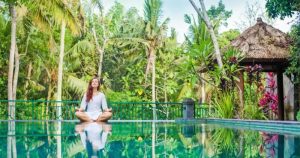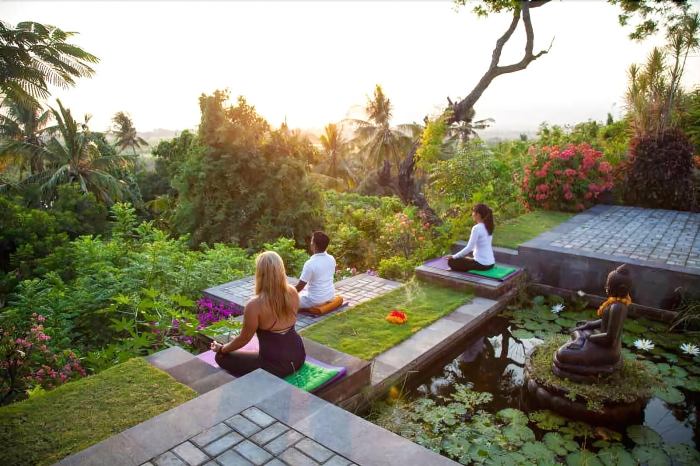
Yoga wellness retreats offer a unique opportunity to rejuvenate the mind, body, and spirit. These immersive experiences combine the ancient practice of yoga with various wellness modalities, creating a holistic approach to self-care. Participants can expect a transformative journey, leaving feeling refreshed, revitalized, and deeply connected to themselves and nature.
From invigorating yoga sessions to mindful meditation practices, these retreats cater to a diverse range of individuals seeking personal growth and improved well-being. The carefully curated environments, often nestled in serene locations, further enhance the transformative potential of these experiences, fostering relaxation and inner peace.
Defining Yoga Wellness Retreats
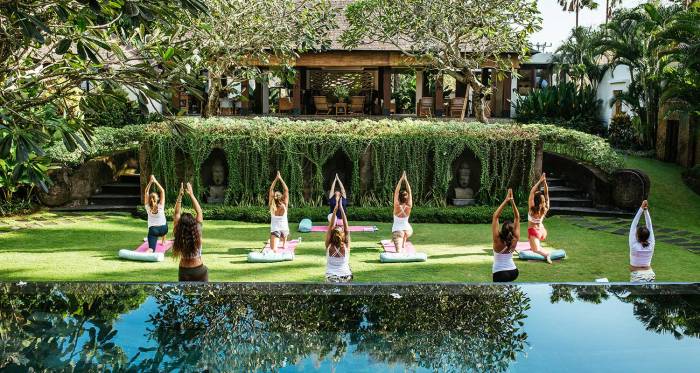
Yoga wellness retreats offer a holistic approach to well-being, combining the physical and mental benefits of yoga with other wellness practices in a tranquil and supportive environment. They are designed to provide participants with a transformative experience, fostering self-discovery and promoting a healthier lifestyle. Unlike other retreats that might focus solely on adventure, spirituality, or detoxification, yoga wellness retreats prioritize the integration of yoga as a core element, weaving it into various aspects of the retreat experience.Yoga wellness retreats are distinct from other types of retreats due to their emphasis on the practice of yoga as a central component.
While other retreats may incorporate some yoga classes, yoga wellness retreats deeply integrate yoga philosophy and practice into daily schedules, meals, and even the overall atmosphere. The intention is not merely to learn new yoga poses, but to cultivate a deeper understanding of the mind-body connection and apply yogic principles to daily life.
Target Audience for Yoga Wellness Retreats
The target audience for yoga wellness retreats is quite broad, encompassing individuals seeking stress reduction, improved physical health, personal growth, or spiritual exploration. Common demographics include individuals experiencing burnout, those seeking a break from their daily routines, people interested in deepening their yoga practice, and those seeking a mindful and rejuvenating experience. The retreats cater to various ages and fitness levels, often offering modifications and variations to accommodate different needs and abilities.
For example, a retreat might attract young professionals seeking stress relief, older adults looking for gentle movement and relaxation, or individuals recovering from injury seeking a mindful path to rehabilitation.
Types of Yoga Practices Offered at Yoga Wellness Retreats
A wide array of yoga styles are commonly offered at yoga wellness retreats, catering to diverse preferences and experience levels. Retreats often feature a mix of styles to provide a well-rounded experience. Hatha yoga, a foundational style emphasizing basic postures and breathing techniques, is frequently included, providing a suitable entry point for beginners. Vinyasa yoga, a more dynamic style that flows from one pose to the next, is popular for its energizing and challenging aspects.
Restorative yoga, which involves holding poses for extended periods with the support of props, promotes deep relaxation and stress reduction. Other styles such as Yin yoga, focusing on deep connective tissue stretches, and Kundalini yoga, incorporating breathwork and meditation, may also be offered, depending on the retreat’s focus and instructors’ expertise. The variety ensures that participants with varying levels of experience and physical capabilities can find suitable practices.
Location and Setting Considerations
The success of a yoga wellness retreat hinges significantly on its location and the overall setting it provides. The environment profoundly impacts the retreat experience, influencing participant relaxation, rejuvenation, and overall sense of well-being. Choosing the right location is therefore a crucial element in designing a memorable and effective retreat. Careful consideration of factors like accessibility, cost, and the desired atmosphere are vital.The appeal of a particular location often stems from its inherent qualities that enhance the yoga and wellness experience.
Certain settings naturally lend themselves to introspection and relaxation, while others offer opportunities for adventure and exploration alongside the core retreat activities. This careful selection contributes to the overall theme and desired outcomes of the retreat.
Popular Destinations and Their Appeal
Several destinations consistently prove popular for yoga wellness retreats, each offering a unique blend of natural beauty and accessibility. Bali, Indonesia, for instance, attracts many due to its stunning rice paddies, lush jungles, and spiritual atmosphere. Costa Rica’s vibrant rainforests and pristine beaches offer a blend of adventure and tranquility. Similarly, the serene landscapes of Tuscany, Italy, provide a backdrop of rolling hills, vineyards, and charming villages.
These locations offer not only visually appealing settings but also opportunities for cultural immersion, enriching the overall retreat experience. The natural beauty and cultural richness enhance the sense of escape and rejuvenation that participants seek.
Comparison of Different Retreat Settings
Beachfront, mountain, and rural retreats each offer distinct advantages. Beachfront retreats provide the calming sounds of the ocean, opportunities for swimming and water sports, and a generally relaxed, sun-drenched atmosphere. Mountain retreats, on the other hand, offer stunning vistas, fresh mountain air, and opportunities for hiking and outdoor activities, promoting a sense of invigorating renewal. Rural retreats, often found in quieter countryside settings, emphasize tranquility and a connection with nature, offering a slower pace of life and opportunities for mindful reflection.
The choice depends on the desired atmosphere and the type of experience the retreat aims to provide. For example, a retreat focused on relaxation might favor a beachfront setting, while an adventure-focused retreat could be better suited to a mountain location.
Comparison of Three Retreat Locations
| Location | Accessibility | Cost (Approximate Range) | Atmosphere |
|---|---|---|---|
| Bali, Indonesia | Relatively easy access from many international airports; internal travel within Bali can be challenging in some areas. | $1000 – $5000+ per person (depending on duration and luxury level) | Spiritual, tropical, vibrant, culturally rich, can be busy in tourist areas. |
| Tuscany, Italy | Good access via major European airports; internal travel is generally straightforward. | $1500 – $6000+ per person (depending on duration and luxury level) | Rustic, charming, historical, relaxed, food-focused. |
| Sedona, Arizona, USA | Easy access from major US airports; car rental is often necessary for exploring the area. | $1200 – $4000+ per person (depending on duration and luxury level) | Spiritual, desert landscape, stunning red rock formations, opportunities for hiking and outdoor activities. |
Wellness Retreats and Wellness Programs
Yoga wellness retreats represent a specialized niche within the broader landscape of wellness tourism and programs. While sharing common goals of promoting physical and mental well-being, they differ significantly in their focus, structure, and target audience compared to other types of wellness retreats. Understanding these distinctions is crucial for individuals seeking a tailored wellness experience. This section will compare and contrast yoga retreats with other wellness offerings, highlighting the unique role of yoga within a holistic wellness approach.
The core difference lies in the emphasis placed on yoga as a primary modality. While other wellness retreats might incorporate yoga as one activity among many, yoga retreats center the entire experience around yoga philosophy, practice, and lifestyle. This fundamental difference influences program structure, activities offered, and the type of participant typically attracted.
Program Structure Differences
Yoga retreats typically follow a structured schedule heavily focused on daily yoga sessions, often including multiple styles and levels of practice. These sessions are complemented by workshops, meditation sessions, and mindful movement practices. In contrast, general wellness retreats might offer a wider range of activities, such as hiking, spa treatments, nutritional workshops, or art therapy, with yoga potentially featuring as one component within a diverse program.
The emphasis is on providing a balanced approach to well-being, rather than specializing in a single discipline. For example, a detox retreat might prioritize juice cleanses and colonics, while a fitness retreat would likely focus on intense workouts and sports-related activities. A yoga retreat, however, remains consistently centered on the yogic path.
Activity Differences and Target Audiences
The activities offered reflect the core focus. Yoga retreats primarily feature various yoga styles (Hatha, Vinyasa, Yin, etc.), meditation practices, pranayama (breathing exercises), and potentially workshops on yogic philosophy or Ayurveda. Other wellness retreats, however, offer a more eclectic mix. A spa retreat might focus on massages, facials, and hydrotherapy. An adventure retreat might prioritize outdoor activities like kayaking or rock climbing.
Consequently, the target audience varies. Yoga retreats attract individuals seeking a deeper connection with their inner selves through yoga and mindfulness practices. Other retreats appeal to a broader range of individuals seeking diverse ways to improve their health and well-being, potentially including those interested in stress reduction, weight loss, or simply relaxation and rejuvenation.
Yoga’s Role in Broader Wellness Programs
Yoga, with its emphasis on physical postures, breathwork, and meditation, acts as a powerful tool within broader wellness programs. It addresses multiple dimensions of well-being, including physical health (improved flexibility, strength, and balance), mental health (stress reduction, improved focus and clarity), and emotional well-being (increased self-awareness and emotional regulation). Many retreats incorporate yoga as a foundational element because of its ability to enhance the effectiveness of other wellness modalities.
For example, yoga can complement detox programs by promoting detoxification through deep breathing and gentle movement, or it can support fitness programs by enhancing flexibility and injury prevention. The holistic nature of yoga makes it a valuable addition to diverse wellness approaches.
Pricing and Packages
Pricing a yoga wellness retreat requires a careful balancing act. You need to cover your costs, ensure a reasonable profit margin, and simultaneously offer attractive packages that appeal to your target market. This involves understanding the various factors influencing pricing and developing a strategy that maximizes revenue while maintaining a strong value proposition.
Factors Influencing Pricing
Several key factors significantly impact the pricing of yoga wellness retreats. Location plays a crucial role; retreats in luxurious, exotic destinations naturally command higher prices than those in more accessible locations. The duration of the retreat is another major factor; longer retreats typically cost more due to increased accommodation, food, and program costs. The quality and range of amenities provided – such as private rooms, spa treatments, gourmet meals, and specialized workshops – directly influence the overall price.
Finally, the instructor’s reputation and expertise also affect pricing; renowned teachers often command higher fees. For example, a week-long retreat in Bali with luxurious villas, daily spa treatments, and a world-renowned yoga instructor will inevitably cost significantly more than a weekend retreat in a local countryside setting with basic accommodations and a less established teacher.
Developing a Profitable Pricing Strategy
Creating a profitable pricing strategy involves thorough market research, careful cost analysis, and a clear understanding of your target audience. Begin by analyzing your costs: accommodation, food, instructor fees, marketing, insurance, and any other expenses. Then, research competitor pricing for similar retreats to understand market rates. Consider your target audience’s willingness to pay; luxury retreats can command premium prices, while budget-friendly options cater to a different segment.
Experimentation is key; you might start with different price points for your packages and track which ones are most popular and profitable. Finally, regularly review and adjust your pricing strategy based on market demand, seasonality, and operational costs.
Sample Pricing Packages
Below are three sample pricing packages designed to appeal to different segments of the yoga wellness retreat market. These packages illustrate how to bundle services to offer varying levels of value and price points.
| Package Name | Price | Included Services | Value Proposition |
|---|---|---|---|
| Essential Retreat | $995 | Shared accommodation, daily yoga classes, three meals per day, basic workshops | A budget-friendly option for those seeking a foundational yoga experience. |
| Premium Retreat | $1,495 | Private room, daily yoga classes, gourmet meals, two spa treatments, advanced workshops, guided meditation sessions | A balanced approach offering a blend of luxury and comprehensive wellness programming. |
| Luxury Retreat | $2,495 | Private villa, daily yoga classes, gourmet meals, daily spa treatments, private yoga sessions, exclusive excursions, specialized wellness workshops | An exclusive experience for those seeking the ultimate in luxury and personalized wellness. |
Sustainability and Ethical Considerations
In today’s world, responsible and sustainable practices are no longer optional but a necessity for any business, including yoga wellness retreats. Integrating sustainability into the core of a retreat’s operations not only minimizes environmental impact but also enhances the overall experience for participants by aligning with their values and promoting a deeper connection with nature. Ethical considerations, specifically cultural sensitivity and responsible tourism, are equally crucial for creating a truly meaningful and positive experience for both guests and the local community.The incorporation of sustainable practices in yoga retreats is essential for minimizing their environmental footprint and fostering a positive relationship with the host community.
This commitment to sustainability translates to a more authentic and enriching experience for participants, who increasingly seek out businesses aligned with their values. Ethical considerations, such as respecting local cultures and minimizing negative impacts on the environment and local communities, are paramount to ensure the long-term viability and positive impact of these retreats.
Eco-Friendly Initiatives for Yoga Retreats
Implementing eco-friendly initiatives can significantly reduce a retreat’s environmental impact. These initiatives demonstrate a commitment to sustainability and enhance the overall experience for environmentally conscious participants. Such initiatives contribute to a positive brand image and attract a clientele that values responsible tourism.
- Energy Conservation: Utilizing solar panels for electricity generation, installing energy-efficient lighting and appliances, and encouraging guests to conserve energy.
- Water Conservation: Implementing low-flow showerheads and toilets, utilizing rainwater harvesting systems for irrigation, and educating guests on water conservation practices.
- Waste Reduction: Implementing comprehensive recycling and composting programs, reducing single-use plastics by providing reusable water bottles and eliminating disposable items, and sourcing locally produced and minimally packaged food.
- Sustainable Sourcing: Prioritizing locally sourced food and products to reduce transportation emissions and support local economies. Selecting sustainable building materials and furnishings for the retreat center.
- Carbon Offsetting: Investing in carbon offsetting projects to compensate for unavoidable emissions from travel and operations.
Cultural Sensitivity and Responsible Tourism
Cultural sensitivity and responsible tourism are vital aspects of ethical yoga retreats. Respecting local customs, traditions, and environments ensures a positive and mutually beneficial relationship between the retreat and the host community. Failing to consider these aspects can lead to negative consequences, such as environmental damage and cultural appropriation.
Respecting local customs and traditions is paramount. This includes understanding and adhering to local dress codes, being mindful of religious practices and sensitivities, and supporting local businesses and artisans. Responsible tourism involves minimizing the negative impacts of tourism on the environment and local communities. This can involve supporting local businesses, employing local staff, and minimizing waste and pollution.
For example, a retreat in Bali might involve partnering with local farmers to source organic produce, employing Balinese yoga instructors and staff, and contributing to local conservation efforts. Similarly, a retreat in the Amazon rainforest might focus on eco-tourism practices, minimizing its environmental footprint, and contributing to the preservation of the rainforest ecosystem. These examples highlight the importance of integrating ethical considerations into every aspect of retreat planning and operations.
Ultimately, yoga wellness retreats provide a powerful pathway towards holistic well-being. By integrating physical activity, mental clarity practices, and mindful self-reflection, these retreats empower individuals to cultivate a healthier and more balanced lifestyle. The lasting benefits extend far beyond the retreat itself, leaving participants equipped with tools and techniques to maintain their well-being long after they return home.
Common Queries
What is the typical length of a yoga wellness retreat?
Retreats vary, ranging from a long weekend to several weeks. Most commonly, they last for a week.
Are yoga wellness retreats suitable for beginners?
Absolutely! Many retreats cater to all levels, offering modifications and variations to suit individual needs and experience.
What should I pack for a yoga wellness retreat?
Comfortable clothing for yoga and relaxation, swimwear (if applicable), toiletries, sunscreen, and a journal are recommended. Check the specific retreat’s packing list for details.
What if I have dietary restrictions or allergies?
Most retreats accommodate dietary needs. Communicate your requirements in advance so they can plan accordingly.