
Physical wellness programs are transforming how individuals and organizations approach health and well-being. These programs extend far beyond simple gym memberships, encompassing a holistic approach that integrates physical activity, nutrition, stress management, and mental health. From corporate wellness initiatives designed to boost employee productivity to community-based programs promoting healthy aging, the impact of these programs is profound and far-reaching.
This guide delves into the design, implementation, and evaluation of effective physical wellness programs, exploring diverse approaches and highlighting best practices.
We’ll examine the key components of a successful program, including needs assessment, program design, participant motivation, and data-driven evaluation. We will also explore the crucial role of technology in enhancing engagement and tracking progress. The comparison between physical wellness programs and wellness retreats provides valuable insights into the nuances of different approaches to improving well-being.
Program Design and Implementation
Developing a successful physical wellness program requires a structured approach, encompassing careful planning, effective implementation, and ongoing evaluation. This process ensures the program meets the needs of its participants and achieves its intended outcomes. A well-designed program considers various factors, from participant demographics and health status to resource availability and technological integration.
The design and implementation phases are iterative and interconnected. Regular monitoring and feedback mechanisms allow for adjustments and improvements throughout the program lifecycle. This ensures the program remains relevant, engaging, and effective in promoting long-term physical wellness.
Needs Assessment and Program Goals
A thorough needs assessment is the cornerstone of effective program design. This involves identifying the specific physical wellness needs of the target population. This might involve surveys, focus groups, or reviewing existing health data to understand prevalent health issues, activity levels, and existing resources. Based on this assessment, clear, measurable, achievable, relevant, and time-bound (SMART) goals are established. For example, a program targeting employees might aim to increase average daily step count by 2,000 steps within six months, measured through fitness trackers.
Program Content and Delivery
Once goals are set, the program’s content and delivery methods are determined. This includes selecting appropriate activities, considering participant preferences and fitness levels, and choosing suitable delivery formats (e.g., group classes, individual coaching, online resources). A diverse range of activities ensures engagement and caters to various interests and abilities. For instance, the program might include yoga, strength training, and team sports.
The delivery method should be convenient and accessible to participants.
Motivating Participants and Ensuring Adherence
Maintaining participant motivation and adherence is crucial for program success. Strategies include setting realistic goals, providing regular feedback and encouragement, incorporating social support mechanisms (e.g., group challenges), and offering rewards or incentives. Regular communication and personalized support can significantly impact adherence. For example, a weekly email with progress updates and motivational messages can keep participants engaged.
Role of Technology in Physical Wellness Programs
Technology plays a significant role in enhancing physical wellness programs. Fitness trackers, mobile apps, and online platforms can provide personalized feedback, track progress, and offer interactive elements. These tools can increase engagement and motivation by providing data visualization and gamification features. For example, a fitness app might track steps, calories burned, and sleep patterns, providing personalized recommendations and celebrating milestones.
Program Costs, Resources, and Staffing
The following table Artikels the key cost considerations, resources, and staffing needs for a typical physical wellness program. These are estimates and will vary based on program size, scope, and location.
| Cost Category | Resources | Staffing | Estimated Cost (USD) |
|---|---|---|---|
| Program Materials | Fitness equipment, educational materials, online resources | Program coordinator, instructors | $5,000 – $15,000 |
| Venue/Facilities | Gym space, online platform subscriptions | Maintenance staff (if applicable) | $2,000 – $10,000 |
| Technology | Fitness trackers, mobile apps, software subscriptions | IT support (if applicable) | $1,000 – $5,000 |
| Staff Salaries | N/A | Program coordinator, instructors, support staff | $10,000 – $50,000+ |
Program Evaluation
Regular evaluation is essential to assess program effectiveness and identify areas for improvement. This involves collecting data on participant outcomes (e.g., changes in fitness levels, weight, health indicators), satisfaction levels, and program adherence rates. This data is then analyzed to determine the program’s impact and guide future modifications. For example, post-program surveys can assess participant satisfaction and identify areas for improvement.
Measuring Program Effectiveness
Evaluating the success of a physical wellness program requires a systematic approach to data collection and analysis. Effective measurement provides valuable insights into program impact, allowing for adjustments and improvements to maximize participant outcomes and overall program efficacy. Key metrics should be carefully selected to reflect the program’s specific goals and objectives.
Several methods exist for gathering data on program outcomes. These methods should be chosen based on feasibility, cost-effectiveness, and the specific information needed. Combining quantitative and qualitative data often provides a more comprehensive understanding of the program’s impact.
Key Metrics for Evaluating Program Success
Effective evaluation hinges on selecting relevant metrics that reflect the program’s aims. These metrics can be broadly categorized into participation rates and health improvements. Participation rates gauge program engagement, while health improvements measure the tangible effects on participants’ well-being. Examples of key metrics include:
- Participation Rate: Percentage of enrolled participants actively engaging in program activities.
- Attendance Rate: Percentage of scheduled sessions attended by participants.
- Program Completion Rate: Percentage of participants completing the entire program.
- Body Mass Index (BMI) Change: Difference in BMI measurements from pre-program to post-program assessments.
- Blood Pressure Change: Difference in systolic and diastolic blood pressure readings from pre-program to post-program assessments.
- Changes in Fitness Levels: Improvements in cardiovascular fitness (e.g., VO2 max), muscular strength, and flexibility, measured through standardized fitness tests.
- Self-Reported Health Status: Changes in participants’ self-reported health status using validated questionnaires.
Data Collection Methods
Several methods can be used to collect data, each with its strengths and weaknesses. A mixed-methods approach, combining quantitative and qualitative data, often provides the most comprehensive evaluation.
- Surveys: Questionnaires administered before and after the program to assess changes in knowledge, attitudes, behaviors, and self-reported health outcomes. Surveys can be paper-based or online, allowing for efficient data collection from a large number of participants.
- Biometric Measurements: Objective measurements such as weight, height, blood pressure, resting heart rate, and body composition (e.g., using bioelectrical impedance analysis) taken at baseline and post-program to quantify physiological changes. These measurements provide quantitative data on health improvements.
- Fitness Testing: Standardized fitness tests (e.g., treadmill tests, strength assessments) can be used to measure changes in cardiovascular fitness, muscular strength, and endurance.
- Focus Groups and Interviews: Qualitative data gathering methods to gain in-depth insights into participant experiences, perceptions, and feedback on the program. This helps to understand the program’s strengths and weaknesses from the participant’s perspective.
Sample Data Table
The following table illustrates how program evaluation results might be organized. This is a simplified example; a real-world program would likely include more participants and metrics.
| Participant ID | Pre-Program BMI | Post-Program BMI | BMI Change | Pre-Program Blood Pressure (Systolic/Diastolic) | Post-Program Blood Pressure (Systolic/Diastolic) | Blood Pressure Change (Systolic/Diastolic) |
|---|---|---|---|---|---|---|
| 1 | 28.5 | 26.2 | -2.3 | 140/90 | 130/85 | -10/-5 |
| 2 | 31.0 | 29.5 | -1.5 | 155/100 | 145/95 | -10/-5 |
| 3 | 25.8 | 24.9 | -0.9 | 120/80 | 115/75 | -5/-5 |
| 4 | 27.1 | 25.5 | -1.6 | 135/88 | 128/82 | -7/-6 |
Data Interpretation and Improvements in Physical Health
Analyzing the data in the table above reveals a general trend of improvement in BMI and blood pressure. The negative values in the “BMI Change” and “Blood Pressure Change” columns indicate a reduction in BMI and blood pressure, respectively, suggesting the program’s effectiveness in improving participants’ physical health. For instance, participant 1 experienced a significant decrease in BMI (-2.3 kg/m²) and blood pressure (-10/-5 mmHg), demonstrating positive program impact.
Further analysis might involve statistical tests (e.g., paired t-tests) to determine the statistical significance of these changes. This type of analysis allows for a more rigorous evaluation of the program’s effectiveness.
Physical Wellness Programs vs. Wellness Retreats
Physical wellness programs and wellness retreats both aim to improve participants’ well-being, but they differ significantly in their approach and delivery. Understanding these differences is crucial for individuals seeking to enhance their physical health and overall wellness. This comparison will illuminate the key distinctions between these two popular options, helping individuals make informed choices based on their specific needs and preferences.Physical wellness programs and wellness retreats share some common ground in their focus on improving physical health, but their implementation differs considerably in duration, intensity, and overall experience.
Duration and Intensity
Physical wellness programs typically span a longer period, often weeks or months, and involve a structured, ongoing commitment to physical activity and healthy lifestyle changes. The intensity of these programs can vary widely, ranging from moderate-intensity exercise programs to more rigorous training regimens tailored to specific goals. In contrast, wellness retreats are usually shorter, lasting anywhere from a few days to a week.
The intensity is generally higher during the retreat period, but the commitment is concentrated within a shorter timeframe. For example, a corporate wellness program might incorporate weekly yoga classes and monthly fitness challenges, while a wellness retreat might pack in daily yoga sessions, hiking excursions, and intensive meditation practices within a week-long period.
Focus and Activities
Physical wellness programs often focus on building sustainable healthy habits, such as regular exercise, balanced nutrition, and stress management techniques. Common activities include gym memberships, group fitness classes (yoga, Zumba, spin), personalized workout plans, and nutritional counseling. Wellness retreats, on the other hand, typically offer a more immersive and holistic experience, combining physical activities with mental and emotional well-being practices.
Activities might include yoga, meditation, hiking, spa treatments, healthy cooking classes, and workshops on stress reduction or mindfulness. Both approaches might include activities like guided meditation or mindful movement, but the context and integration differ significantly.
Target Audience
Physical wellness programs often target a broader audience, including individuals seeking to improve their fitness, manage chronic conditions, or prevent future health problems. They are often integrated into workplace settings or offered through community centers. Wellness retreats, conversely, tend to attract individuals seeking a more intensive, transformative experience, often those willing to invest in a more luxurious and focused period of self-care and personal growth.
This could include individuals experiencing burnout, seeking a break from daily routines, or those aiming for a significant shift in lifestyle.
Advantages and Disadvantages
The following points Artikel the key advantages and disadvantages of each approach:
Understanding the advantages and disadvantages helps individuals choose the option that best aligns with their goals, resources, and lifestyle.
- Physical Wellness Programs:
- Advantages: Sustainable habit formation, affordability (often covered by employers or community programs), gradual progress, flexibility.
- Disadvantages: Requires self-discipline, less intensive experience, potentially slower results.
- Wellness Retreats:
- Advantages: Intensive and immersive experience, dedicated time for self-care, potential for rapid transformation, opportunity for social connection.
- Disadvantages: Higher cost, shorter duration (limiting long-term impact), potential for post-retreat challenges in maintaining habits.
Illustrative Examples of Physical Wellness Programs
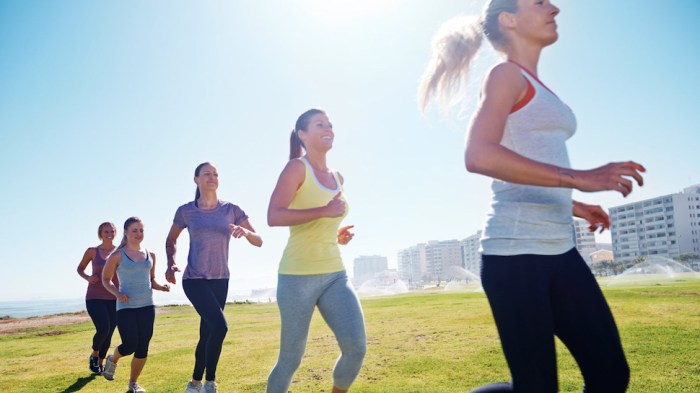
This section provides detailed examples of physical wellness programs tailored to different demographics and needs, highlighting key components for successful implementation and demonstrating the variety of approaches possible. Each example emphasizes practical application and achievable outcomes.
A Physical Wellness Program for High-Stress Corporate Employees
This program aims to mitigate the negative physical effects of a high-stress corporate environment through a multifaceted approach combining physical activity, stress management techniques, and nutritional guidance. The program will be implemented over a 12-week period.Activities include: daily 30-minute lunchtime yoga sessions led by a certified instructor focusing on stress reduction and flexibility; twice-weekly after-work group fitness classes (e.g., Zumba, HIIT) to improve cardiovascular health and build camaraderie; monthly workshops on stress management techniques such as mindfulness and deep breathing; and access to online resources including healthy recipes and guided meditation sessions.
Nutritional guidance will be provided through workshops focusing on healthy snacking and meal preparation. The expected outcomes include reduced stress levels, improved physical fitness, increased energy levels, and a greater sense of well-being among employees. Progress will be monitored through weekly surveys and participation tracking.
A Physical Wellness Program Focused on Improving Cardiovascular Health
This program prioritizes improving cardiovascular health through a combination of targeted exercise and dietary changes. The program is designed for individuals with varying fitness levels and can be adapted based on individual needs and limitations.The exercise component involves a combination of aerobic activities, such as brisk walking, jogging, cycling, or swimming, for at least 150 minutes per week at moderate intensity, or 75 minutes per week at vigorous intensity.
Strength training exercises, targeting all major muscle groups, should be performed at least two days per week. Specific exercises include squats, push-ups, lunges, and rows. Dietary recommendations include reducing saturated and trans fats, increasing consumption of fruits, vegetables, and whole grains, and limiting added sugars and processed foods. A balanced diet rich in lean protein, healthy fats, and complex carbohydrates is emphasized.
Regular monitoring of blood pressure, heart rate, and cholesterol levels is crucial to track progress and adjust the program as needed.
A Physical Wellness Program for Older Adults
This program is designed for older adults, focusing on maintaining mobility, strength, and balance while prioritizing safety and accommodating various fitness levels. The program emphasizes low-impact exercises and modifications to ensure accessibility for participants with different physical capabilities.The program will be conducted in a brightly lit, spacious room with non-slippery flooring. Visual aids, such as large-print exercise instructions and clear signage, will be prominently displayed.
Activities include chair exercises to improve strength and flexibility; gentle range-of-motion exercises to increase joint mobility; balance exercises using props like chairs and walking sticks; and short, low-impact aerobic activities like walking or chair dancing. The instructors will be trained to recognize and address potential safety concerns, providing individualized modifications and support. The visual aspect will incorporate calming colors in the room’s decor, and the exercise demonstrations will be performed slowly and clearly, with emphasis on proper form and technique.
The overall atmosphere will be supportive and encouraging, creating a positive and inclusive environment for participants.
Challenges and Solutions in Implementing Physical Wellness Programs
Implementing successful physical wellness programs requires careful consideration of potential hurdles. Many factors can influence participation and overall program effectiveness, from individual barriers to logistical challenges. Addressing these issues proactively is crucial for maximizing the program’s impact and achieving its intended goals.
Several common challenges arise during the implementation phase. These often relate to participant engagement, resource availability, and logistical issues. Overcoming these challenges requires a multifaceted approach that considers both individual needs and broader program design.
Lack of Participant Motivation and Engagement
Sustained participation is vital for the long-term success of any physical wellness program. Low motivation can stem from various factors, including lack of perceived benefits, competing priorities, or past negative experiences with exercise. Strategies to combat this include providing clear and compelling reasons for participation, emphasizing the immediate and long-term benefits of a healthier lifestyle, and tailoring programs to meet diverse individual needs and preferences.
Incentives, such as rewards for participation milestones or recognition of achievements, can also significantly boost motivation. For instance, a company might offer gift cards or extra vacation time for employees who consistently meet their fitness goals. Another approach is to foster a supportive community atmosphere, where participants can encourage and motivate one another. Regular communication and feedback are essential, ensuring participants feel valued and their progress is acknowledged.
Resource Constraints
Limited resources, including budget, staffing, and facilities, are frequent obstacles. Effective resource management is essential. This might involve exploring cost-effective options, such as partnering with local organizations or leveraging existing community resources like parks and recreational facilities. Creative solutions, such as utilizing technology for remote participation or employing volunteer staff, can also help overcome resource limitations. For example, a company with limited budget could offer online fitness classes instead of hiring expensive instructors.
Careful planning and prioritization of resources are critical for ensuring the program remains sustainable and effective.
Accessibility Issues and Time Constraints
Accessibility is paramount for ensuring inclusivity. Programs must be designed to accommodate individuals with disabilities, diverse fitness levels, and varied schedules. This may involve offering programs at different times and locations, providing modified activities for individuals with limitations, and using accessible facilities. Addressing time constraints can involve offering shorter, more flexible programs or incorporating physical activity into existing routines.
For instance, a program might offer short lunchtime workouts or incorporate walking breaks into the workday. Providing options for both in-person and virtual participation can also broaden accessibility. A successful program might offer both in-person yoga classes and online video tutorials for participants to access at their convenience.
Successful Strategies for Overcoming Challenges
Several existing programs have successfully addressed these challenges. For instance, workplace wellness programs that offer personalized health coaching and integrate fitness activities into the workday have shown higher rates of participation and improved employee health outcomes. Community-based programs that focus on building social support networks and offering a variety of accessible activities have also demonstrated significant success. These programs often utilize strategies such as gamification to increase motivation and incorporate incentives to reward participation.
The key to success often lies in a comprehensive approach that addresses individual needs and logistical barriers while fostering a supportive and inclusive environment.
Ultimately, successful physical wellness programs hinge on a thoughtful, comprehensive approach that considers individual needs, addresses potential barriers, and fosters long-term engagement. By understanding the principles of program design, implementation, and evaluation, individuals and organizations can create initiatives that truly empower participants to achieve their health and wellness goals. The diverse examples and strategies presented in this guide offer a roadmap for developing impactful programs that promote healthier, happier lives.
Clarifying Questions
What are the common barriers to participation in physical wellness programs?
Common barriers include lack of time, lack of motivation, financial constraints, accessibility issues (e.g., lack of transportation or suitable facilities), and pre-existing health conditions.
How can I measure the ROI of a physical wellness program?
ROI can be measured by tracking reductions in healthcare costs, improved employee productivity and morale, decreased absenteeism, and increased employee retention.
How often should physical wellness programs be evaluated?
Regular evaluation is crucial, ideally at least annually, or even more frequently for shorter-term programs. This allows for adjustments based on participant feedback and performance data.
What are some creative incentives to encourage program participation?
Incentives can range from gift cards and prizes to team competitions, recognition programs, and opportunities for professional development related to wellness.


