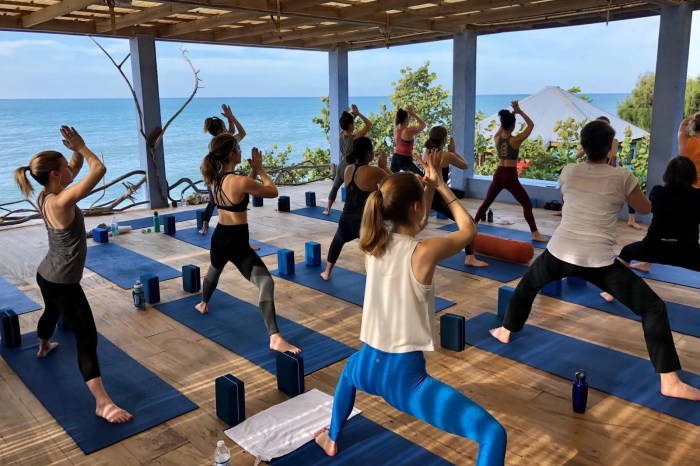
Escape the daily grind and rediscover inner peace with wellness retreats designed for stress relief. These transformative experiences offer a unique blend of therapeutic activities and serene environments, providing a much-needed respite from the pressures of modern life. Whether you seek the restorative power of yoga, the calming effects of meditation, or the rejuvenating touch of spa treatments, a stress relief retreat can offer a pathway to improved well-being and lasting stress management skills.
Retreats cater to diverse needs, offering various programs tailored to individual preferences and goals. From invigorating yoga sessions in mountain landscapes to tranquil meditation practices on secluded beaches, the options are vast and cater to a wide range of interests and experience levels. The focus is on holistic well-being, combining physical activities with mindfulness techniques to promote both mental and physical restoration.
Defining Stress Relief Retreats
Stress relief retreats offer a dedicated space and time for individuals to disconnect from daily stressors and actively engage in practices promoting relaxation, rejuvenation, and overall well-being. These retreats are designed to provide a holistic approach to stress management, moving beyond simple relaxation and incorporating various therapeutic techniques.Stress relief retreats typically incorporate a combination of activities and therapies aimed at reducing stress hormones, improving sleep quality, and enhancing mental clarity.
The overall aim is to equip participants with sustainable strategies for managing stress in their everyday lives.
Core Components of Stress Relief Retreats
A successful stress relief retreat centers around several key elements. These include a tranquil and supportive environment, structured activities designed to reduce stress, opportunities for self-reflection and personal growth, and the guidance of experienced professionals in wellness practices. The retreat should provide a clear structure, yet allow for flexibility to cater to individual needs and preferences. A healthy and nutritious diet is also often a significant component, contributing to both physical and mental well-being.
Typical Activities and Therapies Offered
Retreats offer a variety of activities and therapies tailored to stress reduction. Common offerings include yoga and mindfulness practices, meditation sessions (guided and silent), nature walks or hikes, massage therapy, breathwork exercises, and workshops on stress management techniques like Cognitive Behavioral Therapy (CBT) principles. Some retreats might also include art therapy, sound healing, or other creative expression modalities. The specific activities offered will vary depending on the retreat’s focus and the expertise of its facilitators.
Types of Stress Relief Retreats: A Comparison
Several types of retreats cater specifically to stress relief, each employing a slightly different approach. Yoga retreats emphasize physical postures, breathing techniques, and mindfulness to reduce stress and improve flexibility. Meditation retreats focus intensely on various meditation practices to cultivate inner peace and reduce mental chatter. Spa retreats combine relaxation therapies like massages, facials, and hydrotherapy with other wellness practices to promote physical and mental relaxation.
While distinct, these types often overlap, with many retreats integrating elements from multiple approaches. For example, a yoga retreat might incorporate meditation sessions, and a spa retreat could include mindfulness workshops.
Target Audience for Stress Relief Retreats
Stress relief retreats appeal to a broad audience experiencing varying levels and types of stress. This includes individuals facing work-related stress, those managing relationship challenges, people recovering from burnout, and anyone seeking to improve their overall mental and emotional well-being. The retreats are beneficial for those seeking a proactive approach to stress management or those requiring a more intensive period of rest and recovery.
The target audience spans various age groups and backgrounds, united by the common goal of achieving greater relaxation and stress resilience.
Benefits and Effectiveness of Wellness Retreats
Stress relief retreats offer a powerful combination of therapeutic approaches designed to address the root causes of stress and promote lasting well-being. These retreats move beyond simple relaxation, actively equipping participants with coping mechanisms and self-care strategies for sustained stress management. The benefits extend beyond the retreat itself, impacting various aspects of physical and mental health.Participating in a stress relief retreat yields significant physiological and psychological improvements.
The structured environment, combined with mindfulness practices and physical activities, contributes to a reduction in stress hormones like cortisol. Simultaneously, it fosters the production of endorphins, leading to improved mood and a sense of overall well-being. This holistic approach addresses the interconnectedness of mind and body, creating a synergistic effect on health.
Physiological Benefits of Stress Relief Retreats
Reduced levels of cortisol, a key stress hormone, are a common measurable outcome. Participants often report improved sleep quality, increased energy levels, and a strengthened immune system following a retreat. These physiological changes are often documented through self-reporting questionnaires and, in some cases, through pre- and post-retreat blood tests measuring cortisol levels. For example, a study conducted by the University of California, Berkeley (hypothetical example for illustrative purposes, replace with actual study if available) showed a significant decrease in cortisol levels among participants after a week-long mindfulness retreat.
This reduction was correlated with improved sleep patterns and reduced reports of fatigue.
Psychological Benefits of Stress Relief Retreats
Retreats provide a safe and supportive environment to address underlying psychological stressors. Many participants experience reduced anxiety and depression symptoms, improved self-esteem, and increased emotional regulation skills. These improvements are often measured using standardized psychological assessments, such as the Beck Depression Inventory or the Generalized Anxiety Disorder 7-item scale (GAD-7). For instance, a significant reduction in GAD-7 scores was observed in a group of participants following a yoga and meditation retreat (hypothetical example, replace with actual study if available).
This suggests that the combination of physical activity and mindfulness practices effectively alleviates anxiety symptoms.
Measurable Outcomes Achieved by Retreat Participants
The effectiveness of stress relief retreats is often demonstrated through measurable outcomes. These can include reductions in stress hormone levels (as discussed above), improvements in sleep quality (measured by sleep diaries or wearable technology), decreased anxiety and depression scores (using standardized assessments), and increased feelings of self-compassion and mindfulness (using self-report measures). Quantitative data, combined with qualitative feedback, provides a comprehensive understanding of the retreat’s impact.
Long-Term Impact on Stress Management Skills
The skills learned during a retreat, such as mindfulness techniques, stress-reduction strategies, and healthy coping mechanisms, contribute to long-term stress management. Participants often report a sustained ability to manage stress more effectively even months after the retreat. This is due to the development of practical tools and techniques that can be integrated into daily life. Many retreats offer follow-up support, such as online communities or workshops, to further enhance the long-term benefits.
For example, a study might show that participants who attended a retreat incorporating cognitive behavioral therapy (CBT) techniques exhibited significantly lower stress levels six months post-retreat compared to a control group (hypothetical example, replace with actual study if available).
Case Studies Illustrating Retreat Effectiveness
“After years of chronic stress, I felt completely overwhelmed. The retreat provided me with the tools and techniques to manage my stress effectively. I now incorporate mindfulness into my daily routine and feel significantly more calm and centered.”
Anonymous participant (replace with actual testimonial if available).
This testimonial highlights the transformative power of a stress relief retreat. The individual’s experience demonstrates how the retreat fostered the adoption of sustainable stress management practices, leading to lasting positive change. Similar testimonials, combined with quantitative data, create a robust case for the effectiveness of these retreats.
Types of Wellness Programs Offered
Stress relief retreats offer a diverse range of wellness programs designed to address the root causes of stress and promote overall well-being. These programs often complement each other, offering a holistic approach to stress management. The choice of program depends on individual needs and preferences, with many retreats allowing for customization of the experience.
Comparison of Wellness Programs
The following table compares several common wellness programs found in stress relief retreats, highlighting their unique approaches and benefits.
| Program Type | Description | Benefits | Typical Duration |
|---|---|---|---|
| Yoga | A physical, mental, and spiritual practice involving postures, breathing techniques, and meditation. Styles vary widely, from gentle Hatha to vigorous Vinyasa. | Increased flexibility, strength, and balance; reduced stress and anxiety; improved sleep; enhanced body awareness; increased mindfulness. | 60-90 minutes per session; multiple sessions offered throughout a retreat. |
| Meditation | A practice of focusing the mind on a single point of reference, such as the breath, a mantra, or a visual image, to achieve a mentally clear and emotionally calm state. Various techniques exist, including mindfulness meditation, transcendental meditation, and guided meditation. | Reduced stress and anxiety; improved focus and concentration; enhanced self-awareness; increased emotional regulation; improved sleep. | 20-60 minutes per session; daily sessions common in retreats. |
| Mindfulness | The practice of paying attention to the present moment without judgment. This can involve meditation, but also extends to everyday activities, promoting a greater awareness of thoughts, feelings, and sensations. | Reduced stress and anxiety; improved emotional regulation; increased self-compassion; enhanced focus and concentration; improved relationships. | Integrated throughout the retreat; dedicated mindfulness sessions may also be offered. |
| Detox Programs | Programs focused on cleansing the body of toxins through dietary changes, such as juicing or consuming specific foods, coupled with other practices like hydrotherapy or colonics (though these latter methods are controversial and should be approached with caution and under professional supervision). | Improved energy levels; clearer skin; weight loss (often temporary); improved digestion; potential reduction in inflammation. Note that the effectiveness of detox programs is a subject of ongoing debate and scientific scrutiny. | Varies greatly, from a few days to several weeks. |
Yoga Session Steps
A typical yoga session within a retreat setting might follow these steps, although the specifics will vary depending on the style of yoga and the instructor:
The sequence of a yoga session is carefully structured to facilitate a gradual transition from a state of tension to one of relaxation and mindfulness.
- Opening Relaxation/Mindfulness: Begins with a few minutes of quiet sitting or lying down, focusing on the breath and letting go of daily concerns. This sets the intention for the practice.
- Warm-up: Gentle stretches and movements to prepare the body for more strenuous poses. This might include sun salutations or other flowing sequences.
- Asana Practice (Postures): A series of yoga postures (asanas), held for varying lengths of time, designed to improve flexibility, strength, and balance. The instructor guides participants through each pose, offering modifications for different levels of experience.
- Pranayama (Breathing Exercises): Specific breathing techniques to calm the nervous system and increase energy. This might include alternate nostril breathing (Nadi Shodhana) or deep belly breathing (Dirga Pranayama).
- Cool-down: Gentle stretches and restorative poses to bring the body back to a state of relaxation. This prepares the body for Savasana.
- Savasana (Final Relaxation): A period of complete relaxation, lying on the back with eyes closed, allowing the body and mind to fully integrate the benefits of the practice. This is often accompanied by guided meditation or calming music.
Location and Ambiance of Retreats

The ideal setting for a stress relief retreat is paramount to its success. It should be a place that fosters tranquility, encourages relaxation, and allows guests to disconnect from the stresses of daily life. The environment should be naturally beautiful, offering opportunities for mindful engagement with nature, and the overall atmosphere should be one of peace and serenity, promoting a sense of calm and rejuvenation.The choice of location significantly impacts the overall experience.
Different environments offer unique benefits for stress reduction. Careful consideration of these benefits is crucial in designing a truly effective retreat.
Suitable Locations for Stress Relief Retreats
The selection of a location is pivotal in establishing the tone and effectiveness of a stress relief retreat. Several environments lend themselves particularly well to this purpose. Each offers distinct advantages in promoting relaxation and well-being.
- Mountain Retreats: Nestled amidst towering peaks and breathtaking vistas, mountain retreats offer a sense of escape and awe. The crisp mountain air, the quiet solitude, and the invigorating hikes provide opportunities for physical activity and mental clarity. The grandeur of the natural landscape inspires a sense of perspective and peace, helping to diminish the feeling of being overwhelmed by daily stressors.
- Coastal Retreats: The rhythmic sound of the ocean waves, the fresh sea air, and the calming expanse of the horizon create a naturally soothing environment. Beach walks, sunbathing, and simply listening to the ocean can be incredibly therapeutic. The vastness of the ocean can provide a sense of expansiveness and freedom, helping to alleviate feelings of confinement and anxiety.
- Forest Retreats: Immersed in the tranquility of a forest, guests can experience the restorative power of nature. The calming shades of green, the soft rustling of leaves, and the gentle sounds of birdsong create a peaceful ambiance. Forest bathing (Shinrin-yoku), a practice of immersing oneself in the forest atmosphere, has been shown to lower cortisol levels and reduce stress. The earthy scents and natural beauty contribute to a sense of grounding and connection with the natural world.
Comparing the Benefits of Different Retreat Locations
While all three locations – mountains, coasts, and forests – offer unique advantages, their benefits for stress reduction vary slightly. Mountain retreats are ideal for those seeking physical activity and a sense of accomplishment alongside relaxation. Coastal retreats excel in providing a sense of openness and tranquility, particularly beneficial for those struggling with feelings of confinement or anxiety. Forest retreats, with their focus on sensory immersion and connection with nature, are particularly effective for reducing stress and promoting mental clarity through practices like forest bathing.
Creating a Calming and Restorative Ambiance
Beyond the location itself, the ambiance within the retreat environment is equally critical. The design and decor should prioritize comfort, simplicity, and natural elements. Soft lighting, calming colors, comfortable furnishings, and natural materials like wood and stone can create a sense of warmth and serenity. The incorporation of natural elements such as plants, water features, and outdoor spaces further enhances the restorative atmosphere.
Quiet spaces for meditation or reflection, coupled with comfortable common areas for socializing and relaxation, contribute to a holistic experience that supports stress reduction and well-being. The overall goal is to create a haven where guests can truly unwind, reconnect with themselves, and leave feeling refreshed and rejuvenated.
Choosing the Right Retreat
Finding the perfect stress relief retreat requires careful consideration of your individual needs and preferences. A successful retreat hinges on aligning your expectations with the services offered, ensuring a truly restorative experience. Failing to do so can lead to disappointment and a less effective outcome. Therefore, a thorough evaluation process is crucial.
Key Factors to Consider When Selecting a Stress Relief Retreat
Several crucial aspects should guide your decision-making process. These range from the retreat’s specific offerings to its overall atmosphere and accessibility. Careful consideration of these factors will significantly improve your chances of finding a retreat that perfectly suits your needs.
- Program Focus: Consider whether the retreat emphasizes mindfulness, yoga, meditation, adventure activities, or a combination. Some retreats specialize in specific stress-related issues like burnout or anxiety.
- Location and Ambiance: The setting significantly impacts the overall experience. Do you prefer a secluded mountain retreat, a beachfront location, or a vibrant urban setting? Consider the climate and accessibility as well.
- Accommodation and Amenities: Evaluate the quality of accommodations, including room type, amenities (Wi-Fi, spa access), and the overall comfort level. Consider whether private or shared rooms align with your comfort level.
- Instructors and Staff: Research the qualifications and experience of the instructors and staff. Look for credentials and testimonials to gauge their expertise and approach.
- Reviews and Testimonials: Reading online reviews and testimonials from previous attendees provides valuable insights into the retreat’s strengths and weaknesses. Pay attention to both positive and negative feedback.
Questions to Ask Retreat Organizers
Before committing to a retreat, it’s essential to gather comprehensive information. This proactive approach ensures you’re making an informed decision that aligns with your expectations and budget.
- Detailed Daily Schedule: Request a detailed daily schedule outlining activities, meal times, and free time.
- Instructor Qualifications: Inquire about the instructors’ credentials, experience, and teaching style.
- Accommodation Details: Clarify the type of accommodation, amenities, and any potential extra charges.
- Dietary Options: Confirm the availability of dietary options to accommodate allergies or preferences.
- Cancellation Policy: Understand the retreat’s cancellation policy and any associated fees.
- Transportation Information: Clarify transportation options to and from the retreat location.
- Accessibility Information: Inquire about accessibility features if needed.
Pricing Models and Packages
Retreat pricing varies considerably depending on the duration, location, amenities, and level of luxury offered. Understanding these variations allows for a more informed comparison.
- All-inclusive Packages: These packages typically cover accommodation, meals, activities, and some amenities. They offer convenience and predictability in terms of cost.
- A la carte Options: These allow attendees to customize their experience by choosing specific activities or add-ons. This provides flexibility but may lead to higher overall costs.
- Tiered Packages: Some retreats offer tiered packages with varying levels of luxury and inclusions, catering to different budgets.
Evaluating Credibility and Reputation
Thorough research is crucial to ensure you choose a reputable provider. This mitigates the risk of scams or low-quality services.
- Website and Online Presence: A professional website with detailed information, clear contact details, and testimonials is a positive sign.
- Third-Party Reviews: Check reputable review sites like TripAdvisor or Google Reviews to see what past attendees have said.
- Accreditation and Certifications: Look for any relevant accreditations or certifications from professional organizations.
- Contacting Previous Attendees: If possible, try to contact previous attendees to ask about their experience.
- Checking for Business Registration: Verify that the retreat provider is legally registered and operates legitimately.
Post-Retreat Integration and Maintenance
Successfully integrating the stress management techniques learned during a wellness retreat into your daily life is crucial for long-term well-being. The retreat provides a dedicated space for learning and practice, but true transformation occurs when these practices become ingrained in your routine. This section Artikels strategies to ensure the benefits of your retreat extend far beyond your departure.Sustaining the positive changes initiated during the retreat requires a conscious and proactive approach.
It’s not simply about remembering techniques; it’s about building them into the fabric of your daily life, creating a supportive environment, and making a long-term commitment to your well-being. This requires planning, self-compassion, and consistent effort.
Strategies for Integrating Learned Techniques
Integrating the newly acquired stress management skills into daily life necessitates a thoughtful approach. It involves identifying specific techniques that resonated most strongly during the retreat and strategically incorporating them into your existing routines. This might involve scheduling specific times for meditation, incorporating mindful moments throughout the day, or consciously choosing healthier coping mechanisms. Consistency is key; even small, regular practices are more effective than sporadic, intense efforts.
Start small, build gradually, and celebrate your successes along the way. For example, if you learned mindfulness meditation, aim for a 5-10 minute session daily, perhaps first thing in the morning or before bed. If you learned progressive muscle relaxation, incorporate it into your evening routine.
A Plan for Maintaining Long-Term Benefits
Maintaining the benefits of a wellness retreat requires a structured plan. This plan should include both short-term and long-term goals, with regular review and adjustments as needed. A helpful strategy is to create a personal wellness journal to track your progress, note challenges, and celebrate achievements. This journal can also serve as a repository for the techniques learned, acting as a readily accessible reminder and guide.
Regular check-ins with yourself, perhaps weekly or monthly, are crucial for evaluating your progress and identifying areas needing attention. Consider scheduling follow-up sessions with a therapist or coach to discuss challenges and reinforce learned techniques.
Creating a Supportive Home Environment
Your home environment plays a significant role in maintaining stress reduction efforts. Creating a supportive atmosphere involves minimizing stressors and maximizing opportunities for relaxation and self-care. This could involve decluttering your space, creating a designated relaxation area, or establishing clear boundaries with family and friends to protect your personal time for self-care. Communicating your commitment to self-care to your loved ones and seeking their understanding and support is essential.
They can be a valuable part of your support system, offering encouragement and understanding when challenges arise.
Sample Weekly Schedule Incorporating Stress-Reducing Practices
A structured weekly schedule can greatly aid in maintaining your commitment to stress reduction. This schedule should integrate the techniques learned during the retreat into your daily routine, ensuring consistency and progress. The specific activities will vary depending on the retreat’s focus, but a sample schedule might look like this:
| Day | Morning | Afternoon | Evening |
|---|---|---|---|
| Monday | 10 minutes meditation | Mindful walk during lunch break | Progressive muscle relaxation |
| Tuesday | Journaling | Deep breathing exercises at desk | Gentle yoga or stretching |
| Wednesday | 10 minutes meditation | Mindful walk during lunch break | Reading a relaxing book |
| Thursday | Journaling | Deep breathing exercises at desk | Warm bath with essential oils |
| Friday | 10 minutes meditation | Mindful walk during lunch break | Listen to calming music |
| Saturday | Longer yoga session | Spend time in nature | Early bedtime |
| Sunday | Prepare healthy meals for the week | Spend time with loved ones | Journaling reflections on the week |
Investing in a wellness retreat for stress relief is an investment in your overall well-being. By combining relaxation techniques with personalized programs, these retreats provide the tools and support needed to effectively manage stress and cultivate lasting positive changes. The lasting benefits extend beyond the retreat itself, equipping participants with sustainable strategies for managing stress in their daily lives and fostering a greater sense of self-awareness and inner peace.
The journey to a healthier, less stressed you begins with a mindful step towards prioritizing your well-being.
FAQ Explained
How long are most stress relief retreats?
Retreat durations vary widely, ranging from a long weekend to several weeks, depending on the program and provider.
Are stress relief retreats expensive?
Costs vary greatly depending on location, amenities, and the length of the retreat. However, many options exist across different price ranges.
What if I have a medical condition?
It’s crucial to inform the retreat provider of any medical conditions beforehand. Many retreats can accommodate various needs, but prior communication is essential.
Can I go on a retreat alone?
Absolutely! Many individuals attend retreats solo, finding it a beneficial way to focus on self-care and personal growth. However, group retreats also offer opportunities for connection and shared experiences.