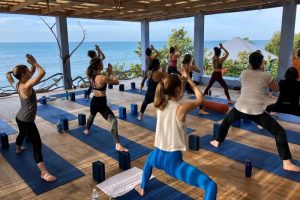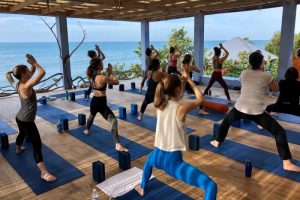
Detox wellness retreats offer a unique opportunity for individuals seeking to revitalize their health and well-being through a structured program focused on detoxification. These retreats vary significantly in their approaches, encompassing everything from juice cleanses and fasting to herbal remedies and mindful practices. Understanding the nuances of these programs—their benefits, risks, and suitability for different individuals—is crucial for making an informed decision.
This guide delves into the world of detox wellness retreats, exploring various types, benefits, and considerations for choosing the right program. We’ll examine the science behind detoxification, discuss potential risks, and provide practical advice to help you navigate this transformative journey towards a healthier lifestyle. We also compare detox retreats to other wellness programs to provide a broader perspective on holistic well-being.
Choosing a Detox Wellness Retreat

Embarking on a detox wellness retreat can be a transformative experience, offering a chance to reset your mind and body. However, selecting the right retreat requires careful consideration to ensure it aligns with your needs and expectations. A well-chosen retreat can provide significant benefits, while an unsuitable one might prove disappointing or even detrimental. This guide provides a structured approach to help you navigate the process of selecting a suitable detox retreat.
Step-by-Step Guide to Selecting a Detox Wellness Retreat
Choosing the right detox retreat involves a systematic approach. Begin by defining your goals—are you aiming for weight loss, stress reduction, improved sleep, or a general sense of wellbeing? Understanding your objectives will help you narrow down your options. Next, research different retreat types, focusing on those specializing in your desired outcomes. Read reviews, compare programs, and consider factors such as duration, location, and the type of detox methods offered.
Contact several retreats directly to discuss your specific needs and ask questions about their programs, facilities, and staff. Finally, carefully review the terms and conditions before making a commitment. This process ensures you choose a program that is both safe and effective for you.
Factors to Consider When Evaluating Retreat Options
A comprehensive checklist should include several key areas. Location is important; consider whether you prefer a secluded setting, a bustling city environment, or a beachside location. Facilities should be assessed for comfort and safety; look for clean, well-maintained accommodations and appropriate amenities. Staff qualifications are crucial; verify the credentials and experience of the professionals leading the program, ensuring they are appropriately licensed and experienced in detox methods.
The program itself should be clearly Artikeld, specifying the types of therapies, dietary plans, and activities involved. Finally, review the retreat’s safety measures and emergency protocols. A thorough evaluation of these factors helps you select a retreat that meets your standards of quality and safety.
Verifying the Credibility and Qualifications of Retreat Providers
Ensuring the credibility of a detox retreat provider is paramount. Begin by checking for accreditation or certifications from reputable organizations. Look for testimonials and reviews from past participants on independent platforms to gauge their experiences. Investigate the provider’s background and experience in the wellness industry. Contacting the provider directly to ask detailed questions about their programs, staff, and safety measures allows you to assess their professionalism and transparency.
Be wary of unrealistic claims or guarantees; a reputable provider will offer honest and evidence-based information. By undertaking this due diligence, you significantly reduce the risk of choosing an unqualified or unsafe retreat.
Wellness Retreats and Wellness Programs
Detox wellness retreats represent a specific niche within the broader landscape of wellness retreats and programs. While they focus intensely on cleansing and purifying the body, other retreats offer a wider array of services designed to improve overall well-being through various approaches. Understanding the differences and similarities between these programs is crucial for choosing the right experience to meet individual needs.
Detox retreats typically emphasize dietary restrictions, specific cleansing practices, and sometimes, medically supervised procedures to eliminate toxins from the body. This intensive approach contrasts with the more holistic and multifaceted nature of broader wellness retreats. These programs encompass a wider range of activities and therapies aimed at physical, mental, and emotional well-being.
Services Offered Beyond Detoxification
Beyond detoxification, wellness retreats and programs offer a diverse menu of services designed to promote holistic well-being. These often include a variety of fitness activities like yoga, Pilates, hiking, or water sports. Mindfulness practices such as meditation, guided imagery, and breathwork are commonly incorporated to reduce stress and enhance mental clarity. Nutritional counseling provides guidance on healthy eating habits, while spa treatments like massages, facials, and body wraps contribute to relaxation and rejuvenation.
Some retreats also incorporate workshops on stress management, emotional intelligence, or personal development, further enriching the experience and promoting lasting positive change. The specific offerings vary significantly depending on the retreat’s focus and philosophy. For example, a yoga retreat will prioritize yoga classes and related activities, while a fitness retreat might focus on high-intensity workouts and sports training.
Comparison of Various Wellness Program Types
The following table summarizes the key features of different types of wellness programs:
| Program Type | Key Features | Typical Activities | Target Audience |
|---|---|---|---|
| Yoga Retreats | Focus on yoga practice, mindfulness, and relaxation. | Various yoga styles, meditation, pranayama, healthy meals. | Individuals seeking stress reduction, improved flexibility, and spiritual growth. |
| Fitness Retreats | Emphasis on physical fitness, strength training, and healthy lifestyle habits. | High-intensity workouts, personal training sessions, nutritional guidance. | Individuals aiming to improve fitness levels, achieve weight loss goals, or enhance athletic performance. |
| Mindfulness Retreats | Focus on cultivating mindfulness, reducing stress, and enhancing self-awareness. | Meditation, guided imagery, mindful movement, nature walks. | Individuals seeking stress reduction, improved mental clarity, and emotional regulation. |
| Spa Retreats | Emphasis on relaxation, rejuvenation, and pampering through spa treatments. | Massages, facials, body wraps, hydrotherapy, aromatherapy. | Individuals seeking relaxation, stress relief, and improved physical appearance. |
Illustrative Examples of Detox Retreat Experiences
Detox retreats offer diverse experiences tailored to individual needs and preferences. The following case studies highlight the varied approaches and outcomes experienced by participants seeking holistic wellness. Each example showcases a different type of retreat, emphasizing the personalized nature of these programs.
Case Study 1: The Urban Yoga Detox
Sarah, a 35-year-old marketing executive, felt overwhelmed by stress and a poor diet fueled by late nights and processed foods. She sought a detox retreat to regain energy and improve her mental clarity. She chose a five-day urban yoga detox retreat in a modern city center location. The retreat emphasized gentle yoga practices, mindful eating with locally sourced organic meals, and guided meditation sessions.
The daily schedule included morning yoga and meditation, followed by workshops on stress management and healthy eating habits. Afternoons were dedicated to individual therapy sessions and optional activities like city walks or spa treatments. The atmosphere was calm and supportive, with a focus on self-care and community building. Sarah reported feeling significantly less stressed, more energized, and with improved sleep patterns following the retreat.
She incorporated many of the learned techniques into her daily routine back home.
Case Study 2: The Tropical Juice Cleanse
Mark, a 40-year-old entrepreneur, desired a more rigorous cleanse to reset his digestive system and lose weight. He opted for a ten-day tropical juice cleanse retreat on a secluded island. This retreat focused entirely on consuming fresh, cold-pressed juices and herbal teas. The daily schedule involved morning yoga and meditation, followed by hours dedicated to rest and relaxation. Afternoon activities included guided nature walks, beach time, and optional massages.
The atmosphere was quiet and contemplative, emphasizing introspection and self-reflection. Mark lost a considerable amount of weight, experienced improved energy levels, and reported a noticeable improvement in his digestion. However, he found the strict juice-only diet challenging and acknowledged the importance of a gradual reintroduction of solid foods after the retreat.
Case Study 3: The Holistic Mountain Retreat
Emily, a 28-year-old teacher, sought a balanced approach to detox, incorporating physical activity, mindfulness, and emotional processing. She chose a seven-day holistic mountain retreat that blended hiking, yoga, meditation, and journaling. The daily schedule began with sunrise hikes followed by yoga and meditation sessions. Afternoons included workshops on emotional release techniques and journaling exercises. Evenings were dedicated to communal dinners featuring wholesome, plant-based meals, and sharing circles.
The atmosphere was energetic yet calming, fostering a strong sense of community among participants. Emily felt refreshed and revitalized, with improved physical fitness and a greater sense of self-awareness. She credited the retreat with helping her process some emotional baggage and develop healthier coping mechanisms for stress.
The Role of Nutrition in Detox Wellness Retreats
Nutrition forms the cornerstone of any successful detox wellness retreat. A carefully planned diet plays a crucial role in supporting the body’s natural detoxification processes, promoting overall well-being, and enhancing the benefits of other retreat activities like yoga and meditation. The goal isn’t about rapid weight loss, but rather about cleansing and nourishing the body from the inside out.The dietary approaches employed during detox retreats generally focus on whole, unprocessed foods that are easily digested and rich in nutrients vital for detoxification.
These choices are designed to minimize the burden on the liver and kidneys, the body’s primary detoxification organs. By reducing the intake of processed foods, refined sugars, and harmful toxins, the body is better able to focus its energy on eliminating existing toxins and supporting optimal cellular function. This approach also often includes strategies to improve gut health, as a healthy gut microbiome is essential for efficient detoxification.
Dietary Approaches Employed During Detox Retreats
Detox retreats typically emphasize a plant-based diet, rich in fruits, vegetables, whole grains, and legumes. This approach provides an abundance of vitamins, minerals, antioxidants, and fiber, all of which support detoxification pathways. Common dietary restrictions often include processed foods, refined sugars, caffeine, alcohol, and red meat. These exclusions aim to minimize the intake of substances that can stress the liver and kidneys, hindering their ability to effectively process and eliminate toxins.
Furthermore, emphasis is placed on hydration, often through the consumption of plenty of filtered water, herbal teas, and fresh juices. The specific dietary guidelines may vary depending on the individual’s health status and the retreat’s specific program, but the underlying principle remains consistent: providing the body with the optimal nutrients it needs to cleanse and rejuvenate itself.
Rationale Behind Dietary Choices and Their Impact on Detoxification
The rationale behind these dietary choices centers on supporting the body’s natural detoxification processes. Fruits and vegetables are packed with antioxidants, which help neutralize free radicals, thereby reducing oxidative stress and protecting cells from damage. Fiber, abundant in whole grains and legumes, promotes regular bowel movements, facilitating the elimination of waste products and toxins. Conversely, processed foods, refined sugars, and unhealthy fats can place a significant burden on the liver and kidneys, slowing down the detoxification process.
Reducing the intake of these substances allows the body to prioritize the elimination of existing toxins. Adequate hydration is crucial for flushing out toxins through the kidneys and maintaining optimal bodily functions. The emphasis on easily digestible foods minimizes digestive stress, allowing the body to allocate more energy to detoxification rather than digestion.
Examples of Meals and Recipes Commonly Used in Detox Retreat Programs
A typical breakfast might include a smoothie made with fresh berries, spinach, banana, and almond milk, providing a potent dose of antioxidants and nutrients. Lunch could feature a large salad with quinoa or brown rice, incorporating a variety of colorful vegetables, and a light vinaigrette dressing. Dinner might consist of a lentil soup with whole-grain bread, providing a balanced source of protein and fiber.
Recipes often focus on simple preparations, emphasizing the natural flavors of the ingredients. For instance, a roasted vegetable dish with herbs and spices might be a common dinner option, showcasing the natural sweetness and flavors of the vegetables without relying on heavy sauces or added sugars. The focus is on nutrient-dense, whole foods, prepared in a way that enhances their natural properties and supports the body’s detoxification process.
Post-Retreat Maintenance and Long-Term Wellness
The transformative experience of a detox wellness retreat shouldn’t be a fleeting moment; it’s a springboard for lasting positive change. Successfully integrating the healthy habits and mindful practices you’ve cultivated requires a conscious and committed effort beyond the retreat’s walls. This section Artikels strategies for maintaining the benefits and building a sustainable path towards long-term well-being.Sustaining the positive changes initiated during a detox retreat necessitates a multifaceted approach.
It’s about integrating the lessons learned into your daily life, not just adopting them temporarily. This involves mindful planning, consistent effort, and a compassionate understanding of potential setbacks. Remember that progress, not perfection, is the ultimate goal.
Dietary Strategies for Continued Wellness
Maintaining a balanced and nourishing diet is crucial for preserving the physical and mental benefits gained during your retreat. Prioritize whole, unprocessed foods like fruits, vegetables, lean proteins, and whole grains. Gradually reintroduce previously restricted foods in moderation, paying attention to how your body responds. Consider keeping a food journal to track your intake and identify any potential triggers for inflammation or discomfort.
This allows for informed decision-making and helps to maintain the positive dietary habits you established during the retreat.
Incorporating Mindfulness and Stress Management Techniques
The stress-reduction techniques learned during your retreat – meditation, yoga, deep breathing exercises – are invaluable tools for long-term well-being. Schedule regular time for these practices, even if it’s just for 10-15 minutes each day. Find ways to incorporate mindfulness into your daily routines, such as paying attention to your breath during stressful situations or practicing gratitude throughout the day.
Consider joining a yoga class or meditation group to maintain the momentum and benefit from community support.
Maintaining Physical Activity and Exercise
The increased physical activity often integrated into detox retreats should continue to be a priority. Aim for at least 30 minutes of moderate-intensity exercise most days of the week. This could include brisk walking, swimming, cycling, or any activity you enjoy. Find an exercise buddy for accountability and motivation. Regular physical activity not only supports physical health but also contributes significantly to stress reduction and mental well-being, mirroring the benefits experienced during the retreat.
Building a Supportive Social Network
Surrounding yourself with a supportive network of friends, family, or like-minded individuals can significantly enhance your chances of maintaining a healthy lifestyle. Share your goals with others and seek their encouragement. Consider joining a health-focused group or online community to connect with people who share similar aspirations. This social support can provide invaluable motivation and help you navigate challenges that may arise.
Addressing Potential Challenges and Setbacks
Maintaining a healthy lifestyle is a journey, not a destination. There will be times when you experience setbacks or feel tempted to revert to old habits. Acknowledge these moments without self-criticism. View them as opportunities for learning and growth. Develop strategies for managing these challenges, such as having healthy snacks readily available or planning alternative activities when cravings arise.
Remember that consistency, not perfection, is key to long-term success. The lessons and self-awareness gained during the retreat will provide a strong foundation to navigate these moments effectively.
Ultimately, the decision to embark on a detox wellness retreat is a personal one, requiring careful consideration of individual health needs and goals. While offering potential benefits for physical and mental well-being, it’s essential to approach such programs with informed awareness of potential risks and to prioritize consultation with healthcare professionals. By understanding the various approaches, carefully selecting a reputable provider, and implementing post-retreat maintenance strategies, individuals can maximize the positive impact of a detox retreat and cultivate lasting improvements in their overall health and wellness.
Query Resolution
Are detox retreats safe for everyone?
No, detox retreats are not suitable for everyone. Individuals with certain medical conditions, pregnant or breastfeeding women, and those taking medications should consult their doctor before participating.
How long do detox retreats typically last?
The duration varies greatly, ranging from a few days to several weeks, depending on the type of retreat and individual needs.
What should I expect during a detox retreat?
Expect a structured program involving specific dietary restrictions, physical activities (yoga, hiking, etc.), and potentially other therapies like massage or meditation. The specific activities will depend on the chosen retreat.
How much do detox retreats cost?
Costs vary significantly based on location, duration, and amenities offered, ranging from a few hundred to several thousand dollars.