Seeking solace and restoration? Wellness retreats specifically designed for mental health offer a unique opportunity to prioritize self-care and embark on a journey towards improved well-being. These retreats provide a supportive environment away from the daily stresses of life, allowing individuals to focus on inner healing and personal growth. Whether it’s through mindful practices, nature immersion, or therapeutic interventions, these retreats cater to a range of needs and preferences, offering a path towards enhanced mental clarity and resilience.
From yoga and mindfulness retreats emphasizing relaxation and self-awareness to therapy-focused retreats offering professional guidance and support, the options are diverse. The common thread is a commitment to creating a space for individuals to disconnect from their usual routines and reconnect with themselves, fostering a deeper understanding of their mental health and developing coping mechanisms for future challenges. The benefits extend beyond the retreat itself, offering lasting improvements in mood, stress management, and overall mental well-being.
Types of Mental Health Wellness Retreats
Mental health wellness retreats offer a supportive environment to address emotional well-being and promote self-care. Different retreat types cater to diverse needs and preferences, utilizing various approaches to achieve mental wellness goals. Choosing the right retreat depends on individual needs and desired outcomes.
Yoga Retreats for Mental Well-being
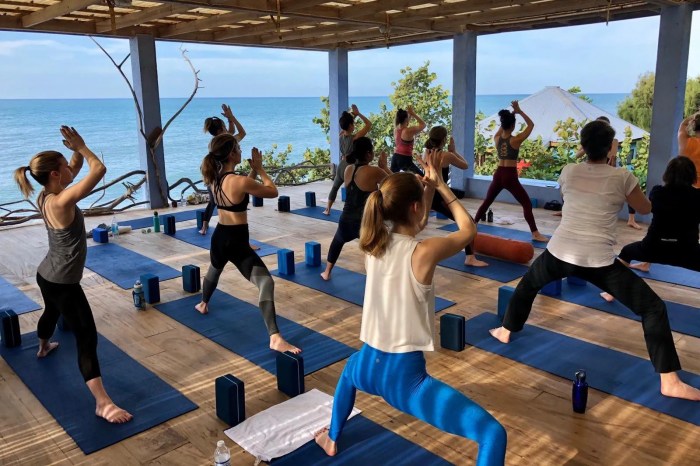
Yoga retreats integrate physical postures, breathing techniques, and meditation to enhance mental clarity, reduce stress, and improve overall well-being. The program typically involves daily yoga sessions, guided meditations, and opportunities for relaxation and self-reflection. Participants often find these retreats beneficial for managing anxiety, depression, and stress. A typical daily schedule might include morning yoga and meditation, followed by free time for journaling or nature walks, an afternoon workshop focusing on mindfulness or stress reduction techniques, and an evening restorative yoga session.
Mindfulness-Based Retreats
Mindfulness retreats emphasize cultivating present moment awareness through practices like meditation, mindful movement, and mindful eating. These retreats help participants develop skills to manage stress, improve focus, and enhance emotional regulation. A typical program might include daily guided meditations, mindfulness walks in nature, workshops on mindfulness techniques, and opportunities for individual reflection and journaling. The focus is on developing a deeper understanding of one’s thoughts and emotions without judgment.
Nature-Based Retreats for Mental Health
Nature-based retreats leverage the restorative power of nature to improve mental health. Activities often include hiking, forest bathing (Shinrin-yoku), nature journaling, and outdoor yoga. These retreats promote relaxation, reduce stress, and reconnect participants with the natural world. A sample daily schedule could involve morning hikes, afternoon nature journaling sessions, evening campfire talks focused on nature connection and mindfulness, and opportunities for quiet contemplation amidst natural surroundings.
The therapeutic benefits of immersion in nature are well-documented.
Therapy-Focused Retreats
Therapy-focused retreats integrate individual or group therapy sessions with other wellness activities. These retreats provide a structured environment for addressing specific mental health challenges under the guidance of licensed therapists. The program might include individual therapy sessions, group therapy, workshops on coping mechanisms, and relaxation techniques. Daily schedules can vary significantly depending on the therapeutic approach used, but often involve scheduled therapy sessions, combined with activities promoting self-care and relaxation.
Comparison of Retreat Types
| Retreat Type | Target Audience | Location Examples | Cost Range (USD) |
|---|---|---|---|
| Yoga Retreat | Individuals seeking stress reduction, improved flexibility, and mental clarity | Costa Rica, Bali, California | $1000 – $5000+ |
| Mindfulness Retreat | Individuals seeking to improve focus, manage stress, and enhance emotional regulation | Sedona, Arizona; Himalayas; British Columbia | $800 – $4000+ |
| Nature-Based Retreat | Individuals seeking relaxation, stress reduction, and connection with nature | National Parks (USA, Canada, etc.), Scottish Highlands, Costa Rican Rainforests | $700 – $3500+ |
| Therapy-Focused Retreat | Individuals seeking intensive therapy in a supportive environment | Rural settings, specialized treatment centers | $2000 – $10000+ |
Benefits and Outcomes of Mental Health Wellness Retreats
Mental health wellness retreats offer a unique opportunity to prioritize self-care and cultivate lasting positive changes. By removing individuals from their daily stressors and immersing them in supportive environments, these retreats facilitate profound psychological benefits and measurable improvements in mental well-being. The structured programs, combined with therapeutic activities and mindful practices, contribute to significant, long-term impacts on participants’ lives.
Retreats provide a supportive environment conducive to significant psychological improvements. Participants often experience a noticeable reduction in stress levels, leading to improved mood and emotional regulation. The focus on self-reflection and mindfulness practices fosters increased self-awareness, enabling individuals to better understand their thoughts, feelings, and behaviors. This enhanced self-understanding is a crucial step towards making positive lifestyle changes and developing effective coping mechanisms for future challenges.
Stress Reduction and Improved Mood
Retreats utilize various techniques to alleviate stress. Mindfulness meditation, yoga, and nature walks are frequently incorporated to promote relaxation and reduce cortisol levels (the stress hormone). These activities help to calm the nervous system, resulting in a more balanced emotional state. Many participants report a significant decrease in anxiety and an improvement in overall mood following their retreat experience.
For example, a study published in the Journal of Holistic Nursing showed a statistically significant decrease in perceived stress levels among participants in a mindfulness-based retreat. The reduction in stress often translates to improved sleep quality and increased energy levels, further contributing to enhanced mood and well-being.
Increased Self-Awareness and Personal Growth
The structured nature of wellness retreats provides ample time for introspection and self-discovery. Through journaling, guided meditation, and therapeutic sessions, participants gain a deeper understanding of their thoughts, feelings, and behaviors. This increased self-awareness allows them to identify negative thought patterns and unhealthy coping mechanisms. The supportive environment fostered by the retreat facilitates a safe space for self-exploration and personal growth.
Many individuals report developing a stronger sense of self-compassion and improved self-esteem after participating in a retreat. For instance, a participant might realize they tend to overwork themselves, leading to burnout. The retreat helps them recognize this pattern and develop strategies to set healthier boundaries and prioritize self-care.
Measurable Outcomes and Long-Term Impact
Retreats often incorporate pre- and post-retreat assessments to measure the effectiveness of their programs. These assessments may include standardized questionnaires measuring stress levels, anxiety, depression, and overall well-being. Measurable outcomes often include significant reductions in anxiety and depression scores, improved sleep quality, increased self-esteem, and enhanced coping skills. The long-term impact of a retreat extends beyond the immediate post-retreat period.
Many participants report sustained improvements in their mental well-being months and even years after attending a retreat. This sustained improvement is often attributed to the development of new coping mechanisms, increased self-awareness, and a strengthened commitment to self-care.
Addressing Specific Mental Health Challenges
Wellness retreats can be tailored to address specific mental health challenges. Retreats focusing on anxiety may incorporate techniques such as cognitive behavioral therapy (CBT) and mindfulness practices to help participants manage their anxious thoughts and feelings. Retreats designed for individuals experiencing depression often emphasize activities that promote positive emotions and self-compassion, along with strategies for improving sleep and increasing physical activity.
Burnout recovery retreats focus on stress management, setting healthy boundaries, and re-establishing a sense of purpose and meaning in life. These specialized retreats offer a targeted approach to address the unique needs of individuals struggling with specific mental health conditions. For example, a retreat focusing on burnout might incorporate workshops on time management, assertiveness training, and stress reduction techniques.
The individualized attention and supportive environment provided by these specialized retreats are crucial for effective treatment and long-term recovery.
The Role of Therapists and Facilitators
Therapists and facilitators play crucial roles in the success of mental health wellness retreats. Their combined expertise creates a supportive environment conducive to healing and personal growth. They guide participants through various therapeutic approaches, fostering self-discovery and resilience.Therapists and facilitators work collaboratively to ensure a holistic and individualized experience for each participant. Their combined skills, ranging from individual therapy sessions to group activities, facilitate the achievement of personalized therapeutic goals.
The environment they cultivate is essential for creating a safe space for vulnerability and emotional processing.
Therapeutic Approaches Employed
Mental health wellness retreats utilize a range of evidence-based therapeutic approaches tailored to the needs of the participants. These approaches often complement one another, providing a comprehensive and integrated therapeutic experience. For instance, Cognitive Behavioral Therapy (CBT) might be used to help participants identify and challenge negative thought patterns, while mindfulness-based techniques promote self-awareness and emotional regulation. Other approaches may include Acceptance and Commitment Therapy (ACT), Dialectical Behavior Therapy (DBT), or psychodynamic approaches, depending on the specific needs of the retreat and its participants.
The selection of therapeutic modalities is determined by the expertise of the facilitators and the overall goals of the retreat.
Creating a Safe and Supportive Environment
Establishing a safe and supportive environment is paramount for the success of any mental health wellness retreat. This involves fostering trust, respect, and confidentiality amongst participants and facilitators. Clear boundaries and guidelines are established upfront to ensure that everyone feels comfortable and secure within the retreat setting. The physical space itself contributes significantly; a calming and aesthetically pleasing environment helps promote relaxation and emotional well-being.
Furthermore, the facilitators actively model healthy communication and coping mechanisms, creating a space where vulnerability is welcomed and participants feel empowered to share their experiences without judgment. This supportive atmosphere encourages self-reflection and personal growth.
Examples of Therapist and Facilitator-Led Activities
Therapists and facilitators employ diverse activities to promote healing and personal growth. These activities might include guided meditation sessions to cultivate mindfulness and reduce stress. Group therapy sessions provide a platform for participants to connect with others who share similar experiences, fostering a sense of community and shared understanding. Art therapy offers a non-verbal means of expression, enabling participants to explore their emotions creatively.
Nature walks and outdoor activities can promote relaxation and connection with nature, offering a break from the intensity of therapeutic work. Yoga and movement practices can help release tension and improve physical and emotional well-being. Educational workshops might focus on specific topics relevant to mental health, such as stress management, healthy communication, or relapse prevention. Individual therapy sessions provide a dedicated space for personalized support and focused therapeutic work.
The selection of activities is carefully considered to meet the diverse needs and preferences of the participants.
Wellness Retreats and Wellness Programs
Wellness retreats and wellness programs both aim to improve mental and physical well-being, but they differ significantly in their approach, duration, and intensity. Understanding these differences is crucial for individuals seeking to enhance their overall health and happiness. Choosing the right approach depends on individual needs, resources, and preferences.Wellness retreats offer an intensive, immersive experience focused on a specific aspect of well-being, often incorporating a range of activities and therapies within a short timeframe.
Wellness programs, on the other hand, typically encompass a broader range of strategies and are designed for long-term engagement, promoting sustainable lifestyle changes.
Features and Goals of Wellness Retreats and Programs
Wellness retreats are characterized by their short, concentrated duration, typically lasting a few days to a week. They prioritize creating a supportive environment conducive to relaxation, self-reflection, and personal growth. The goal is to provide participants with immediate relief from stress and a renewed sense of well-being. In contrast, wellness programs are designed for ongoing engagement, often spanning weeks, months, or even years.
Their aim is to cultivate sustainable lifestyle changes that support long-term mental and physical health. This may involve regular sessions, workshops, and ongoing support.
Advantages and Disadvantages of Each Approach
Retreats offer the advantage of providing a quick escape from daily stressors and a concentrated period of self-care. However, the short duration may limit the opportunity for lasting behavioral change. The high intensity can also be overwhelming for some individuals. Wellness programs, while potentially more sustainable, require a greater commitment of time and resources. They may also lack the immersive, transformative experience often associated with retreats.
Duration, Intensity, and Cost
Retreats are typically shorter, more intensive experiences, ranging from a weekend to a week, with costs reflecting the concentrated services provided. Expect higher per-day costs due to the intensive nature of the program. Ongoing wellness programs, in contrast, are longer-term, less intensive, and usually less expensive per session or month, though the overall cost can be substantial over time.
For example, a three-day retreat might cost $2,000-$5,000, while a year-long wellness program might cost $1,000-$3,000. These are broad estimates, and actual costs vary widely depending on location, amenities, and program specifics.
Integrating Retreats into Comprehensive Wellness Programs
Retreats can serve as valuable components of a broader wellness program. They can provide a powerful jumpstart, helping individuals build momentum and motivation for long-term change. For instance, a retreat focused on mindfulness techniques could be followed by ongoing meditation practice as part of a longer-term wellness program. Similarly, a retreat focused on stress management could be complemented by ongoing therapy or coaching sessions.
This integrated approach maximizes the benefits of both intensive and sustained wellness interventions.
Illustrative Examples of Retreat Activities
Wellness retreats offer a diverse range of activities designed to promote mental well-being through various therapeutic approaches. These activities are carefully selected to foster relaxation, self-discovery, and personal growth within a supportive environment. The following examples illustrate the types of experiences participants can expect.
Guided Meditation Session
A guided meditation session typically begins with participants finding a comfortable seated or lying position. The facilitator then guides them through a series of instructions, often using a calming voice and evocative imagery. This might involve focusing on the breath, noticing bodily sensations, or visualizing peaceful scenes. The session might incorporate elements of mindfulness, focusing on the present moment without judgment.
Progressive muscle relaxation techniques may also be used, involving systematically tensing and releasing different muscle groups to reduce physical tension. A typical session lasts between 20-45 minutes. Potential benefits include reduced stress and anxiety, improved focus and concentration, increased self-awareness, and a sense of calm and peace. The calming nature of the session allows participants to disconnect from racing thoughts and reconnect with their inner selves.
Nature-Based Activity: Forest Bathing
Forest bathing, also known as Shinrin-Yoku, involves a mindful immersion in a forest environment. Participants slowly walk through the woods, engaging all their senses. They are encouraged to notice the sights, sounds, smells, and textures of the natural world around them. The activity emphasizes a slow pace and deliberate attention to detail, fostering a deep connection with nature.
Participants may be guided to touch tree bark, listen to birdsong, or simply sit quietly and observe their surroundings. The therapeutic value lies in the restorative effects of nature on the mind and body. Studies have shown that spending time in forests can lower cortisol levels (a stress hormone), reduce blood pressure, and improve mood. The calming and grounding effect of nature can be particularly beneficial for individuals experiencing anxiety or stress.
Creative Expression Workshop: Art Therapy
Art therapy utilizes creative processes to improve mental health and well-being. In a workshop setting, participants might engage in various art forms, such as painting, drawing, sculpting, or collage, without any prior artistic experience being necessary. The focus is not on creating a masterpiece but on using the creative process as a means of self-expression and emotional exploration. The facilitator provides guidance and support, creating a safe and non-judgmental space for participants to explore their thoughts and feelings through their artwork.
The process itself can be therapeutic, allowing individuals to process emotions, release tension, and gain insight into their inner world. The resulting artwork can serve as a visual representation of their journey and a source of personal reflection.
Other Retreat Activities
A variety of other activities are commonly incorporated into mental health wellness retreats to promote holistic well-being. These can include:
- Yoga: Combining physical postures, breathing techniques, and meditation to improve flexibility, strength, and mental clarity.
- Movement Therapy: Using expressive movement to release emotions and improve body awareness.
- Nutrition Workshops: Educating participants about the relationship between diet and mental health, providing guidance on healthy eating habits.
- Group Discussions: Facilitated discussions providing a safe space for sharing experiences and building connections with others.
Ultimately, wellness retreats for mental health provide a powerful pathway towards improved well-being. By offering a supportive environment, specialized activities, and professional guidance, these retreats empower individuals to address mental health challenges, build resilience, and cultivate lasting positive change. Whether seeking stress reduction, increased self-awareness, or targeted therapeutic intervention, the transformative potential of these retreats makes them a valuable resource for anyone seeking to prioritize their mental health and achieve a greater sense of balance and fulfillment.
FAQ
How long do mental health wellness retreats typically last?
Retreat durations vary greatly, ranging from a long weekend to several weeks, depending on the program’s intensity and focus.
Are mental health retreats covered by insurance?
Insurance coverage depends on individual plans and the specific services offered. It’s essential to contact your insurance provider directly to inquire about coverage before booking.
What if I experience a mental health crisis during the retreat?
Reputable retreats have protocols in place to address emergencies. They typically have access to on-site or nearby mental health professionals and emergency services.
What kind of preparation is needed before attending a retreat?
Preparation might include informing your doctor or therapist about your plans, packing appropriate clothing and personal items, and reviewing the retreat’s schedule and guidelines.