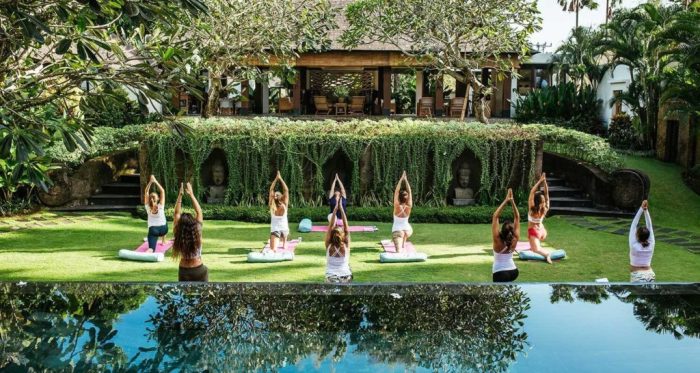
Planning your escape to serenity? 2024 promises an unparalleled selection of wellness retreats, catering to every need and preference. From rejuvenating yoga retreats nestled amidst breathtaking landscapes to transformative detox programs in secluded havens, the possibilities are endless. This guide delves into the defining characteristics of the best wellness retreats, exploring emerging trends, prime locations, and the value proposition of investing in your well-being.
We’ll examine various program types, highlighting the unique benefits of each, and provide practical tips for finding and booking the perfect retreat to match your individual goals. Whether you seek physical revitalization, mental clarity, or spiritual growth, this comprehensive overview will empower you to make an informed decision and embark on a truly transformative journey.
2024 Trends in Wellness Retreats
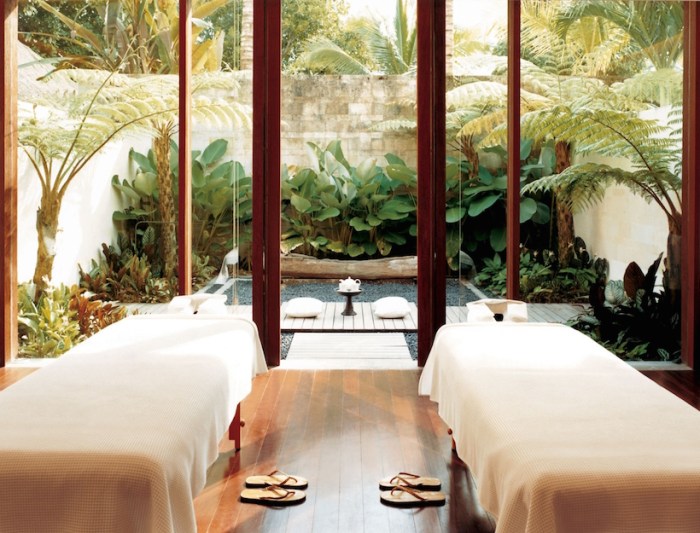
The wellness retreat industry is constantly evolving, adapting to changing societal needs and preferences. 2024 promises a continuation of this dynamic shift, with several key trends shaping the landscape of wellness escapes. These trends reflect a growing emphasis on personalized experiences, sustainable practices, and a deeper integration of mind-body-spirit well-being. Expect to see a significant impact on the overall market, driving innovation and attracting a wider range of participants.The predicted impact of these emerging trends on the wellness retreat market is substantial.
We anticipate increased demand for specialized programs, a rise in boutique retreats focusing on niche interests, and a greater emphasis on the sustainability and ethical sourcing of retreat offerings. This will likely lead to a more segmented market, with retreats catering to highly specific needs and preferences, while simultaneously increasing the overall market size through diversification.
Emerging Modalities in Wellness Retreats
New modalities are constantly emerging within the wellness sphere, and 2024 will see several gaining significant traction in retreat settings. These include advancements in personalized nutrition plans leveraging genetic testing and microbiome analysis, the integration of virtual reality (VR) for immersive meditation and mindfulness experiences, and the increasing popularity of breathwork techniques combined with movement therapies like yoga or Pilates.
For instance, retreats offering personalized nutrition plans based on genetic predispositions are already experiencing a surge in popularity, demonstrating the market’s responsiveness to data-driven wellness approaches. Similarly, the use of VR technology is creating unique and engaging opportunities for deeper meditative practices, appealing to a younger demographic seeking innovative wellness solutions.
Location Trends in Wellness Retreats
The geographical focus of wellness retreats is shifting. While traditional destinations remain popular, there’s a noticeable increase in demand for off-the-beaten-path locations and unique experiences. Expect to see a rise in retreats in lesser-known regions offering authentic cultural immersion alongside wellness practices. Examples include retreats in remote areas of South America focusing on indigenous healing practices, or those nestled in the unspoiled landscapes of Scandinavia emphasizing mindfulness and connection with nature.
The allure of escaping the ordinary and embracing unique cultural experiences is driving this trend.
Program Offerings in Wellness Retreats
Program offerings are becoming increasingly specialized and personalized. The one-size-fits-all approach is giving way to retreats designed around specific needs and interests, such as retreats focused on digital detox and mindful technology use, retreats specifically targeting burnout recovery, or those centered around specific health conditions under the guidance of qualified professionals. This trend reflects a growing awareness of the need for tailored wellness solutions that address individual challenges and goals.
For example, retreats offering comprehensive digital detox programs are attracting individuals seeking to disconnect from technology and reconnect with themselves.
The following list Artikels the top 5 predicted trends for 2024 wellness retreats:
- Personalized Wellness Plans: Retreats incorporating genetic testing, microbiome analysis, and other data-driven approaches to create bespoke wellness programs.
- Immersive Technology Integration: Utilization of VR and AR for enhanced mindfulness practices, meditation experiences, and interactive wellness activities.
- Sustainable and Ethical Retreats: Emphasis on eco-friendly practices, local sourcing, and community engagement, appealing to environmentally conscious travelers.
- Niche and Specialized Retreats: Focus on specific needs and interests, such as digital detox, burnout recovery, or retreats tailored to specific health conditions.
- Unique and Off-the-Beaten-Path Locations: A shift towards lesser-known destinations offering authentic cultural immersion and unique experiences alongside wellness activities.
Geographic Locations of Top Wellness Retreats
The global wellness tourism market is booming, with travelers increasingly seeking destinations that offer opportunities for rejuvenation, self-discovery, and improved well-being. Several regions have established themselves as leaders in providing exceptional wellness retreat experiences, each offering unique benefits and attracting a diverse clientele. This section will explore five of the top global locations for wellness retreats, highlighting their distinctive characteristics and appeal.
The appeal of these regions stems from a combination of factors including natural beauty, cultural richness, established infrastructure supporting wellness tourism, and the availability of highly skilled practitioners and specialized facilities. These factors contribute to a holistic experience that goes beyond simply relaxation, offering opportunities for personal growth and lasting well-being.
Top 5 Regions for Wellness Retreats: Unique Characteristics and Appeal
The following regions consistently rank highly in the wellness tourism sector, each offering a distinct experience tailored to different preferences and needs.
- Bali, Indonesia: Known for its spiritual atmosphere, stunning natural landscapes, and ancient healing traditions, Bali offers a wide range of yoga retreats, meditation programs, and holistic wellness treatments. The island’s lush rice paddies, volcanic mountains, and pristine beaches provide a tranquil backdrop for self-reflection and rejuvenation. Many retreats integrate Balinese healing practices, such as traditional massage and energy healing, into their programs.
- Costa Rica: This Central American country is renowned for its biodiversity, eco-tourism initiatives, and emphasis on sustainable wellness practices. Retreats often focus on nature immersion, adventure activities like hiking and zip-lining, and holistic therapies that connect guests with the natural environment. The country’s commitment to sustainability adds to its appeal for environmentally conscious travelers.
- India (Himalayan Region): The Himalayas provide a breathtaking setting for wellness retreats focused on yoga, meditation, and Ayurveda. The region’s rich spiritual heritage and the presence of numerous ashrams and wellness centers attract individuals seeking spiritual growth and rejuvenation. The high altitude and crisp mountain air contribute to a sense of clarity and tranquility.
- Tuscany, Italy: This region of Italy offers a unique blend of cultural immersion, culinary experiences, and wellness treatments. Retreats often incorporate elements of Italian culture, such as cooking classes and wine tasting, alongside yoga, spa treatments, and mindfulness practices. The rolling hills, vineyards, and charming towns create a picturesque setting for relaxation and rejuvenation.
- California, USA: California’s diverse landscape, from the Pacific coast to the deserts and mountains, provides a wide range of wellness retreat options. Retreats may focus on surfing, yoga, meditation, or detoxification programs. The state’s thriving wellness industry offers access to cutting-edge therapies and highly qualified practitioners.
Comparison of Top Wellness Retreat Regions
This table provides a comparative overview of the five regions based on key factors influencing the wellness tourism experience.
| Region | Cost (USD) | Climate | Accessibility | Types of Retreats |
|---|---|---|---|---|
| Bali, Indonesia | Mid-range to Luxury | Tropical | Good (international airport) | Yoga, Meditation, Holistic, Ayurveda |
| Costa Rica | Mid-range to Luxury | Tropical | Good (international airport) | Eco-tourism, Adventure, Holistic |
| Himalayan Region, India | Mid-range to Luxury | Variable (temperate to cold) | Moderate (potential travel challenges) | Yoga, Meditation, Ayurveda, Spiritual |
| Tuscany, Italy | Luxury | Mediterranean | Good (international airport and train access) | Culinary, Yoga, Spa, Mindfulness |
| California, USA | Mid-range to Luxury | Variable (depending on location) | Excellent (multiple international airports) | Yoga, Surfing, Detox, Fitness |
Wellness Retreat Programs and Activities
Wellness retreats offer a diverse range of programs designed to improve physical, mental, and emotional well-being. These programs often combine various modalities to create a holistic and transformative experience. The specific offerings vary depending on the retreat’s focus and target audience, but many share common elements aimed at promoting relaxation, rejuvenation, and self-discovery.Wellness retreats typically incorporate a variety of activities and programs designed to cater to different needs and preferences.
The effectiveness of these programs is often subjective and depends on individual factors such as commitment, prior experience, and personal goals. However, a well-structured program, incorporating elements of physical activity, mental exercises, and nutritional guidance, is likely to yield significant benefits.
Types of Wellness Programs Offered at Retreats
Wellness retreats provide a broad spectrum of activities designed to enhance various aspects of well-being. Common programs include yoga and meditation practices for stress reduction and improved mindfulness; spa treatments like massages and facials for relaxation and physical rejuvenation; fitness activities such as hiking, swimming, and group fitness classes to improve physical health; and nutritional guidance, often including workshops, consultations, and healthy meal plans to support healthy eating habits.
Many retreats also offer workshops on topics like stress management, sleep hygiene, and emotional intelligence.
Comparing and Contrasting Different Wellness Programs
Yoga and meditation programs, for example, are widely popular for their stress-reducing and mindfulness-enhancing benefits. They are suitable for a broad audience, from beginners to experienced practitioners. Spa treatments cater more to relaxation and physical pampering, often appealing to those seeking a luxurious and rejuvenating experience. Fitness activities are tailored to those looking to improve their physical fitness levels and may range in intensity from gentle walks to strenuous hikes.
Nutritional guidance programs are crucial for individuals seeking to improve their dietary habits and overall health. The effectiveness of each program depends on individual goals and commitment. For instance, a person looking for deep relaxation might find spa treatments more effective than intense fitness classes, while someone aiming to improve cardiovascular health might benefit more from fitness programs.
Sample Daily Schedule for a Wellness Retreat
A typical day at a wellness retreat might look like this:
| Time | Activity | Duration |
|---|---|---|
| 7:00 AM | Morning Yoga and Meditation | 60 minutes |
| 8:00 AM | Healthy Breakfast | 30 minutes |
| 8:30 AM | Hiking or Fitness Class | 90 minutes |
| 10:00 AM | Nutritional Workshop | 60 minutes |
| 11:00 AM | Free Time/Relaxation | 60 minutes |
| 12:00 PM | Healthy Lunch | 30 minutes |
| 1:00 PM | Spa Treatment (Massage or Facial) | 60 minutes |
| 2:00 PM | Mindfulness Workshop or Guided Meditation | 60 minutes |
| 3:00 PM | Free Time/Swimming/Reading | 90 minutes |
| 4:30 PM | Restorative Yoga | 45 minutes |
| 5:15 PM | Healthy Dinner | 45 minutes |
| 6:00 PM | Evening Relaxation/Journaling | Variable |
This is just a sample schedule, and the specific activities and durations will vary depending on the retreat. Many retreats offer flexible schedules to allow for personalized experiences.
Cost and Value of Wellness Retreats
The price of a wellness retreat can vary significantly, impacting accessibility for potential participants. Understanding the factors contributing to the cost and how to assess the value offered is crucial for making an informed decision. This section will explore the cost drivers and help you determine if a retreat’s investment aligns with your personal wellness goals.Factors Influencing Retreat Costs are multifaceted and intertwined.
Location plays a significant role; retreats in luxurious destinations like Bali or the Maldives will naturally command higher prices than those in more rural or less internationally recognized areas. The level of amenities offered also impacts cost; retreats with private villas, gourmet meals, and extensive spa facilities will be more expensive than those with shared accommodations and simpler services. Program length is another key factor; longer retreats naturally cost more due to increased accommodation, meals, and instructor fees.
Finally, the expertise and reputation of the instructors and facilitators contribute significantly to the overall price. Highly sought-after experts in yoga, meditation, or other wellness modalities often charge premium rates, impacting the retreat’s total cost.
Factors Determining Retreat Costs
Several key elements contribute to the overall cost of a wellness retreat. High-end locations like secluded islands or exclusive resorts significantly increase costs due to higher property values and operational expenses. The inclusion of luxury amenities, such as private spa treatments, gourmet meals prepared by renowned chefs, and personalized fitness plans, directly increases the price. The duration of the retreat also plays a role; longer retreats necessitate more resources, leading to higher costs.
Finally, the caliber of instructors and specialists influences the price. Renowned experts in their fields typically charge more for their services, which reflects in the overall retreat fee. For example, a week-long retreat in a luxurious Tuscan villa featuring Michelin-starred chefs and renowned yoga instructors will inevitably be more expensive than a weekend retreat at a local yoga studio with a less established instructor.
Assessing the Value of a Wellness Retreat
Evaluating the value of a wellness retreat extends beyond the monetary cost. A crucial aspect is assessing the return on investment (ROI) in terms of improved well-being and personal growth. Consider the potential benefits: reduced stress, improved sleep, enhanced physical fitness, increased self-awareness, and the development of coping mechanisms for future challenges. While quantifying these benefits is challenging, consider the potential long-term impact on your health, productivity, and overall quality of life.
For instance, a retreat that helps you manage chronic stress could lead to reduced healthcare costs and increased work efficiency in the long run. Similarly, improved sleep and fitness can lead to enhanced energy levels and improved mental clarity, boosting both personal and professional life.
Tips for Finding Affordable Yet High-Quality Wellness Retreats
Finding a balance between affordability and quality requires careful planning and research.
- Consider off-season travel: Retreats during the shoulder seasons (spring and fall) often offer lower prices than peak season rates.
- Opt for shorter retreats: A weekend retreat will generally cost less than a week-long program.
- Choose retreats with shared accommodations: Sharing a room with a friend or other participants can significantly reduce accommodation costs.
- Look for retreats in less-expensive locations: Consider retreats in smaller towns or rural areas instead of popular tourist destinations.
- Book early or look for last-minute deals: Early bird discounts and last-minute deals can often provide significant savings.
- Read reviews carefully: Thoroughly examine reviews from past participants to assess the quality of the retreat and the value it provides.
Finding and Booking the Right Retreat
Finding the perfect wellness retreat requires careful consideration of your individual needs and preferences. The process involves researching various options, comparing offerings, and making an informed decision about the best fit for your goals and budget. This section provides practical guidance on navigating this process successfully.
Researching and Selecting a Suitable Retreat
Begin your search by identifying your wellness priorities. Are you seeking stress reduction, weight loss, improved fitness, spiritual growth, or a combination thereof? Once you’ve clarified your goals, start exploring different retreat types. Consider whether you prefer a luxurious, secluded setting or a more active, community-based environment. Online search engines, specialized wellness travel websites, and recommendations from friends or travel bloggers are all valuable resources.
Pay close attention to retreat descriptions, focusing on the daily schedule, included activities, and the overall philosophy of the retreat center. Reading reviews from past participants can offer invaluable insights into the retreat’s strengths and weaknesses. For example, a retreat focused on yoga and meditation might be ideal for someone seeking relaxation and mindfulness, while an adventure retreat might suit someone looking for physical challenges and outdoor activities.
Booking a Wellness Retreat: Provider Selection and Reservations
Choosing a reputable retreat provider is paramount. Look for established companies with positive reviews and a clear commitment to client satisfaction. Check for accreditation from relevant organizations, if applicable. Before making a reservation, carefully review the retreat’s terms and conditions, including payment policies, cancellation policies, and any additional fees. A detailed itinerary should be provided, outlining the daily schedule, meals, and activities.
Ensure the provider offers clear communication channels and is responsive to inquiries. For instance, you might want to contact several providers to compare their responses and the level of detail they provide about their programs. Booking directly through the retreat provider is generally recommended, although reputable travel agencies specializing in wellness retreats can also be a valuable option.
Essential Information on a Retreat Provider’s Website
A well-designed website is a crucial indicator of a reputable retreat provider. The website should provide comprehensive information about the retreat program, including a detailed daily schedule, the qualifications and experience of instructors or facilitators, and testimonials from past participants. High-quality photos and videos can enhance your understanding of the facilities and environment. Pay close attention to the cancellation policy, as it Artikels the terms and conditions for refunds or rescheduling.
Look for clear contact information, including email addresses and phone numbers, to facilitate easy communication with the provider. The website should also clearly state any additional costs, such as transportation, excursions, or spa treatments, beyond the stated retreat fee. For example, a well-structured website will include detailed FAQs, addressing common questions about the program, accommodation, and logistics.
Ultimately, the “best” wellness retreat is the one that aligns perfectly with your personal needs and aspirations. By carefully considering the factors discussed – location, program type, cost, and value – you can confidently select a retreat that promises a truly enriching and rejuvenating experience. Embrace the opportunity to invest in yourself, and embark on a journey of self-discovery and revitalization in 2024.
Questions Often Asked
What is the average cost of a wellness retreat?
Costs vary greatly depending on location, duration, amenities, and program type. Expect to pay anywhere from a few hundred to several thousand dollars.
How do I choose the right retreat for me?
Consider your wellness goals (detox, stress reduction, spiritual growth, etc.), budget, desired location, and preferred activities. Read reviews and compare programs before booking.
What should I pack for a wellness retreat?
Comfortable clothing for activities, swimwear (if applicable), toiletries, sunscreen, insect repellent, and any personal medications. Check the retreat’s packing list for specific recommendations.
Are wellness retreats suitable for solo travelers?
Absolutely! Many retreats offer solo traveler packages and opportunities to connect with like-minded individuals.
Can I bring my pets to a wellness retreat?
Pet policies vary greatly depending on the retreat. Always check with the provider before booking if you plan to bring a pet.


